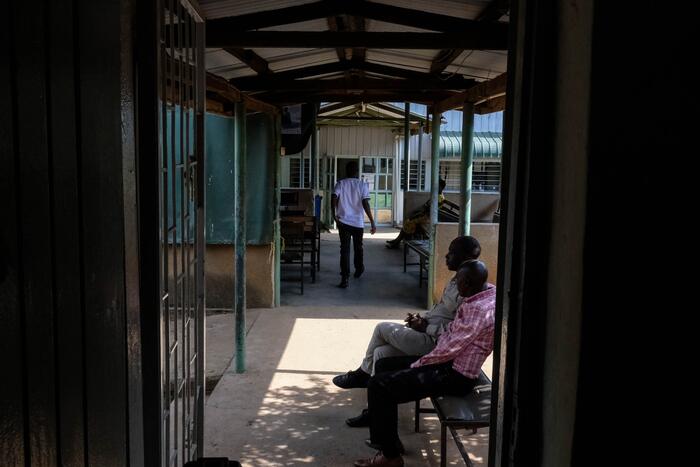
Red dust clings to the hem of a cotton skirt before dawn even breaks over Wakiso District.
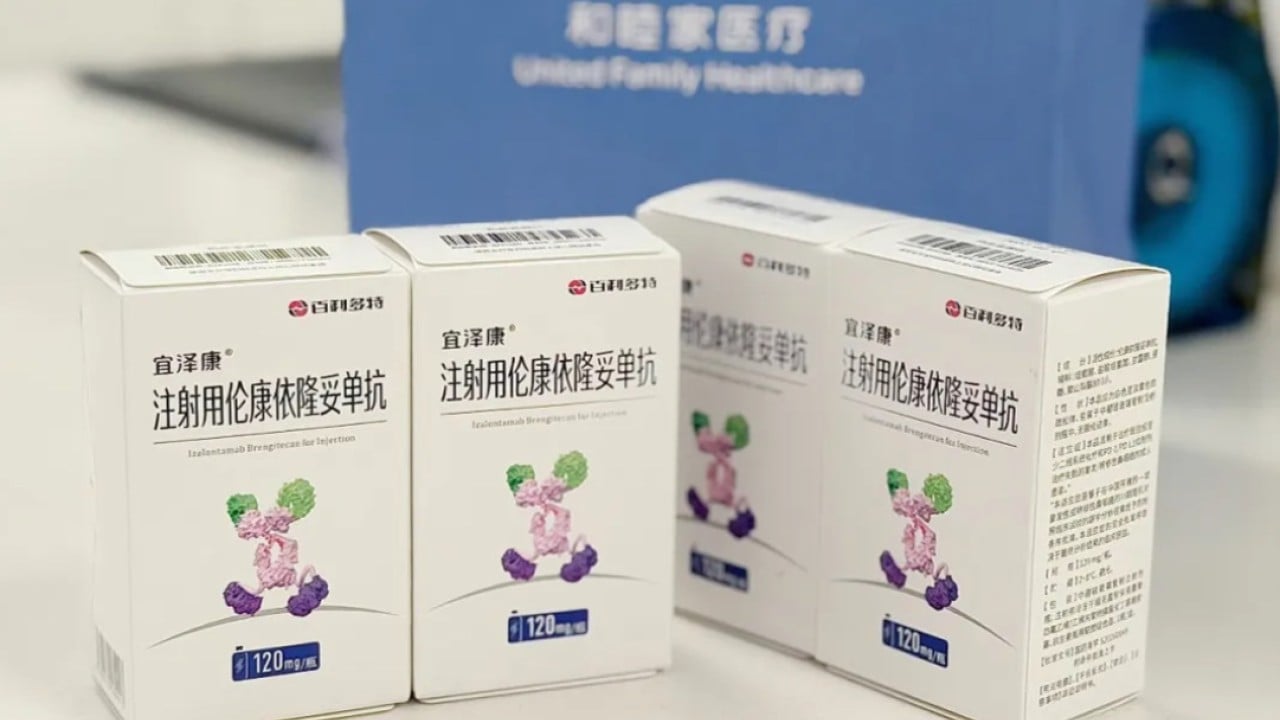
Inside a cramped clinic room that smells faintly of bleach, damp concrete, and burning eucalyptus leaves, a nurse counts plastic bottles. She counts slowly. Her thumb rubs the smooth edge of a label while outside a boda-boda coughs to life on the murram road, its headlight cutting a yellow tunnel through the mist. There is a medicine in the world—a long-acting prevention option designed to shield people from HIV for months at a time—that clinical trials proved could stop transmission with astonishing reliability. Yet here, twenty miles outside Kampala, the shelves holding that promise feel impossibly far away.
Wait.
Let’s pause right there, because if you have spent any time reading global health dispatches, you know how easily a story like this turns into a graveyard of acronyms. PrEP. CAB-LA. Lenacapavir. PEPFAR. WHO. After the third abbreviation, your eyes glaze over and the human weight evaporates into policy jargon. I have sat in crowded clinic waiting rooms, watched mothers shift sleeping infants from one hip to the other for four hours, and felt that same heavy exhaustion when someone tried to reduce a life-or-death choice to a supply-chain chart.
I’m not going to do that to you.
To understand why a breakthrough HIV-prevention drug remains scarce in places like Uganda—even where community health workers know the virus intimately and clinics are desperate for tools that fit real lives—we have to follow the friction between laboratory triumph and everyday survival. And we have to be honest about what we don’t yet know, because global rollout timelines shift, regulatory approvals move unevenly, and funding promises arrive with strings attached.
Why a Daily Pill Is Never Just a Pill
Think about taking a daily medication when your life has no predictable rhythm.
Suppose we sketch a hypothetical character—let’s call her Namuli, a twenty-two-year-old market trader in central Uganda who buys cassava and greens before sunrise and rides home after dusk. Namuli is entirely fictional, built from dozens of real conversations with young women navigating stigma, distance, and economic pressure, though her choices mirror patterns public health researchers have documented across East Africa for years.
For years, oral pre-exposure prophylaxis—taking a daily pill to prevent HIV acquisition—was celebrated as a major advance. On paper, it is simple. Swallow one tablet every twenty-four hours, and your body builds a chemical shield against the virus.
In real life, simplicity is a luxury.
Where do you keep a pill bottle when you share a single room with relatives who might assume any daily medication means you are already living with HIV? How do you remember a morning dose when a sudden rainstorm floods the path to the market, or when a family emergency pulls you onto a bus for three days without your pouch? Missed doses aren’t a moral failure. They are a collision between clinical design and human friction.
That is why long-acting injectables and twice-yearly options—medications administered once every two months or even every six months—sparked such intense excitement among HIV researchers and advocates. Instead of thirty or one hundred and eighty separate chances to forget, run out, or be spotted opening a rattle-prone bottle, protection stretches across seasons.
To picture the difference, consider a simple metaphor: oral PrEP is like patching a screen door every single evening before mosquitoes swarm in, whereas a long-acting prevention drug is like installing sturdy mesh that holds firm for months at a time. That comparison is a metaphor—biochemistry doesn’t work like wire mesh—but it captures why clinics in Uganda saw a long-acting shot or semi-annual regimen as a genuine shift in how people could protect themselves privately and consistently.
Yet knowing a drug works in a trial is one thing. Getting a vial into a rural health center in Rakai or Gulu is another.
The Long Road from Lab Bench to Clinic Shelf
Science moves fast when billions of dollars and brilliant minds focus on a target. Delivery moves at the speed of budgets, negotiations, and logistics.
When a promising new HIV-prevention drug clears clinical trials, the first bottleneck is price and manufacturing scale. Pharmaceutical companies invest heavily in research and development and hold patents that protect their pricing power. Even when generic manufacturers are lined up to produce cheaper versions, voluntary licensing agreements, regulatory dossiers, and quality-assurance checks take time. A drug can be scientifically proven years before it is affordable enough for national health ministries to buy at scale.
Then comes the money question.
Uganda’s HIV response has long relied on a mix of domestic health spending and international financing mechanisms, alongside donor programs that fund commodities, testing kits, cold-chain storage, and clinic staffing. When international budgets tighten, shift priorities, or face political uncertainty, procurement slows down. A clinic doesn’t need a theoretical supply of long-acting prevention; it needs syringes, HIV rapid tests (since starting prevention requires confirming a person is HIV-negative), trained staff who aren’t already stretched across ten other duties, and reliable stock deliveries.
Consider what happens next in a district clinic when a shipment is delayed or capped at a tiny pilot allocation:
- Nurses have to ration scarce slots, turning away young people who walked miles because all twenty doses for the month were already spoken for.
- Outreach workers hesitate to advertise a new option widely in nearby villages when they know the cupboard is nearly bare.
- Rumors fill the silence—whispered claims that the medication is experimental, reserved only for certain groups, or about to run out anyway.
Scarcity breeds doubt. When people hear about a miraculous new prevention tool on the radio or in community meetings, only to be told at the clinic that it isn’t available yet or is strictly limited, hope sours into cynicism.
I admit that even for those of us who follow public health closely, the timeline can feel dizzying. One month brings headlines about extraordinary trial efficacy; the next brings quiet delays over pricing talks, procurement rules, or regulatory reviews. It is fair to wonder: if we know the science works, why does access lag so stubbornly behind?
Uganda’s Hard-Won Lessons on HIV
Uganda is not a blank slate in the story of HIV.
Decades ago, when HIV devastated families and communities across the country, Uganda became famous globally for confronting the epidemic openly—combining frank public education, community mobilization, and expanding access to treatment. That history matters because it shaped how Ugandans talk about risk, resilience, and survival. Over the years, expanded access to antiretroviral therapy transformed HIV from a near-certain death sentence into a manageable chronic condition for millions of people living with the virus.
Still, new infections have not disappeared. Young women and adolescent girls, key populations facing social stigma and legal barriers, and people in high-mobility corridors or fishing and trading hubs continue to bear a disproportionate burden. Prevention remains essential, because stopping a new infection before it takes hold spares a person a lifetime of daily treatment, side effects, stigma, and worry.
Why, then, do places like Uganda often end up at the back of the line for the newest biomedical tools?
Because global health markets have historically rewarded high-income buyers first. New drugs launch where health systems can pay high prices or absorb complex clinical protocols quickly. Lower-income countries, where the epidemiological need for effective prevention is often sharpest, frequently wait years for tiered pricing, generic competition, or donor-backed rollout programs to catch up.
That pattern isn’t inevitable. It’s a choice embedded in how we fund innovation and structure global supply chains.
What Real Access Demands on the Ground
Imagine—again, in a clearly hypothetical scenario—a clinic nurse in northern Uganda trying to roll out a long-acting injectable prevention option to fifty people in her catchment area.
A shot every two months sounds effortless compared to swallowing a pill every day. Until you look at the calendar.
What happens if a client works on a commercial farm or travels during harvest season and misses their two-month appointment by three weeks? Clinicians have to follow strict protocols around testing, window periods, and bridging protection so someone doesn’t accidentally take a long-acting drug after acquiring HIV, which can complicate future treatment and foster drug resistance. A nurse who already sees dozens of patients before noon has to counsel clients clearly without shaming them when life gets messy.
Privacy matters just as much as clinical protocol. A young man or woman who wants discreet HIV prevention does not want to sit on a bench labeled with a specific program name that neighbors immediately recognize. Integrating prevention smoothly into general youth services, maternal and family clinics, or community outreach helps normalize care and protect dignity.
True access requires more than a box of vials dropped at a regional depot. It requires:
- Predictable, multi-year financing that covers not just the drug itself, but testing supplies, training, and distribution.
- Affordable pricing and rapid generic scaling so national health systems aren’t forced into impossible trade-offs between prevention, treatment, and other essential medicines.
- People-centered delivery that respects busy schedules, mobility, and privacy.
When those pieces align, the impact isn’t abstract. A student can finish school with less fear. A couple in a serodifferent relationship—where one partner is living with HIV and the other is HIV-negative—gains another layer of peace of mind alongside viral suppression. A young person who slips up on daily pills still has a realistic way to stay protected.
The Gap Between Promise and Presence
There is a quiet heartbreak in knowing a solution exists while watching people keep getting hurt by a problem it could help prevent.
We often talk about medical breakthroughs as moments of arrival—a headline, a press release, a graph showing high efficacy in a clinical trial. For someone walking down a dusty road toward a clinic at sunrise, a breakthrough isn’t a graph. It’s whether the medicine is actually there when they reach the door.
The red dust settles by mid-morning over Wakiso, baked dry under a bright equatorial sun. Somewhere miles away, scientists are already drafting papers on the next generation of prevention tools, while at a local health post a nurse checks a clipboard, counts what she has, and decides how to stretch every drop of care as far as humanly possible until the next delivery arrives.