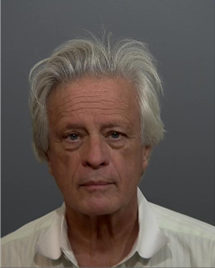
A Montreal criminal defense lawyer who once navigated the complexities of the justice system to keep others out of jail now finds himself stuck inside it. A Quebec court judge recently decided that this lawyer, facing serious accusations of child luring and sexual assault, isn't going home anytime soon. This decision isn't just about the specific charges. It's a window into how the legal system reacts when one of its own officers is accused of predatory behavior.
Justice isn't always fast. But in this case, the bail hearing was a critical hurdle that the defense couldn't clear. When a lawyer is the one in the dock, the stakes for public confidence in the judiciary skyrocket. If the people who are supposed to uphold the law are seen as a threat to the most vulnerable, the whole system feels like it’s shaking.
The gravity of the luring allegations
The details coming out of the courtroom are grim. The lawyer, whose identity was initially under a publication ban to protect the victims, faces a stack of charges that involve minors. We’re talking about child luring and sexual assault. These aren't just "missteps" or "bad judgment." They are foundational violations of the law.
The prosecution’s job during a bail hearing is to convince a judge that releasing the accused would be a bad idea for three main reasons. First, will they show up for court? Second, are they a danger to the public? Third, would their release make the public lose faith in the justice system? In this instance, the judge leaned heavily on those last two points.
Evidence presented at these hearings is often sensitive. It usually involves digital trails—messages, social media interactions, and forensic data pulled from devices. In 2026, the digital footprint is almost impossible to erase. For someone trained in law, you'd think they'd know that. Yet, the prosecution’s case seems built on a trail that led investigators straight to his door.
Why the bail request failed
Defense attorneys usually argue for "strict conditions." They suggest house arrest, GPS monitoring, or massive financial bonds. They try to paint a picture of a person who is low risk. But the judge didn't buy it.
The "tertiary ground" for denying bail is the most interesting part of this case. It’s the legal term for maintaining public confidence. Basically, the judge asks: "If a reasonable person in the community knew all the facts, would they be shocked to see this person walking free before trial?" Given the nature of child luring charges and the accused’s status as a lawyer, the answer was a resounding yes.
The legal profession in Quebec is governed by the Barreau du Québec. They don't take these things lightly. When a member is charged with something this severe, their right to practice is usually suspended immediately. You can't have someone representing clients in a court of law while they're facing allegations of preying on children. It’s a conflict of interest that goes deep into the soul of the profession.
Understanding the impact on the legal community
The Montreal legal scene is tight-knit. Everyone knows everyone. When a colleague is arrested, the shockwaves hit every courthouse from René-Lévesque Boulevard to the suburbs. Honestly, it’s a mess.
Lawyers are held to a higher standard. They take an oath. When that oath is broken, it doesn’t just hurt the victims—though they are the priority—it hurts the credibility of every other lawyer who is actually doing their job. People start questioning the integrity of the whole bar. That’s why the prosecution pushed so hard to keep him detained. They needed to show that nobody is above the law, especially not those who practice it.
We see this pattern often in high-profile cases involving professionals. There's an initial disbelief, followed by a mountain of evidence, and then the slow grind of the judicial process. This lawyer is now experiencing the system from the other side of the glass. He’s no longer the one making the arguments; he’s the subject of them.
The road ahead for the prosecution
Now that bail is denied, the case moves toward a preliminary inquiry or a trial. The prosecution will be looking to solidify the digital evidence. In child luring cases, this often means bringing in tech experts who can prove the identity of the person behind the screen.
It's not just about the messages. It's about the intent. The law defines luring as contacting a child with the intent to commit a sexual offense. Proving that intent is where the battle happens. But with the accused remaining in custody, the prosecution has the upper hand. They don't have to worry about witness interference or the accused disappearing.
What happens to his current clients
If you’re a client of a lawyer who just got denied bail for sexual assault, you’re in a tough spot. Your case is basically in limbo. Usually, the Barreau appoints a "trustee" or another lawyer to step in and manage the files.
You can't just leave people without representation. It’s a logistical nightmare. Every case that lawyer was handling now has to be reviewed. Were there any other ethical breaches? Was the lawyer distracted by their own criminal activities? These are the questions that will keep the professional inspectors busy for months.
The reality of pretrial detention
Staying in jail while waiting for trial is a brutal reality. Montreal's detention centers aren't exactly resorts. For a lawyer used to a certain lifestyle and professional respect, the shift to a cell is a massive fall from grace.
It also changes the defense strategy. It's much harder to build a defense when you're behind bars. You can't just hop on a computer or meet your legal team whenever you want. Everything is monitored. Everything is restricted. This pressure often leads to plea deals, though it's too early to say if that's where this is headed.
The public should expect more details to emerge as the trial date approaches. The publication bans that currently protect the identity of the victims are standard. They ensure that the kids involved aren't re-traumatized by the media circus. But for the accused, the spotlight is only going to get brighter.
If you or someone you know has information regarding this case or similar incidents, contact the Montreal police (SPVM). They have specialized units for cyber-crimes and crimes against children. Don't wait. Documentation is everything in these cases. If you're a former client concerned about your legal files, get in touch with the Barreau du Québec immediately to find out who has been assigned to your case. The system is moving forward, with or without the man who used to be part of it.