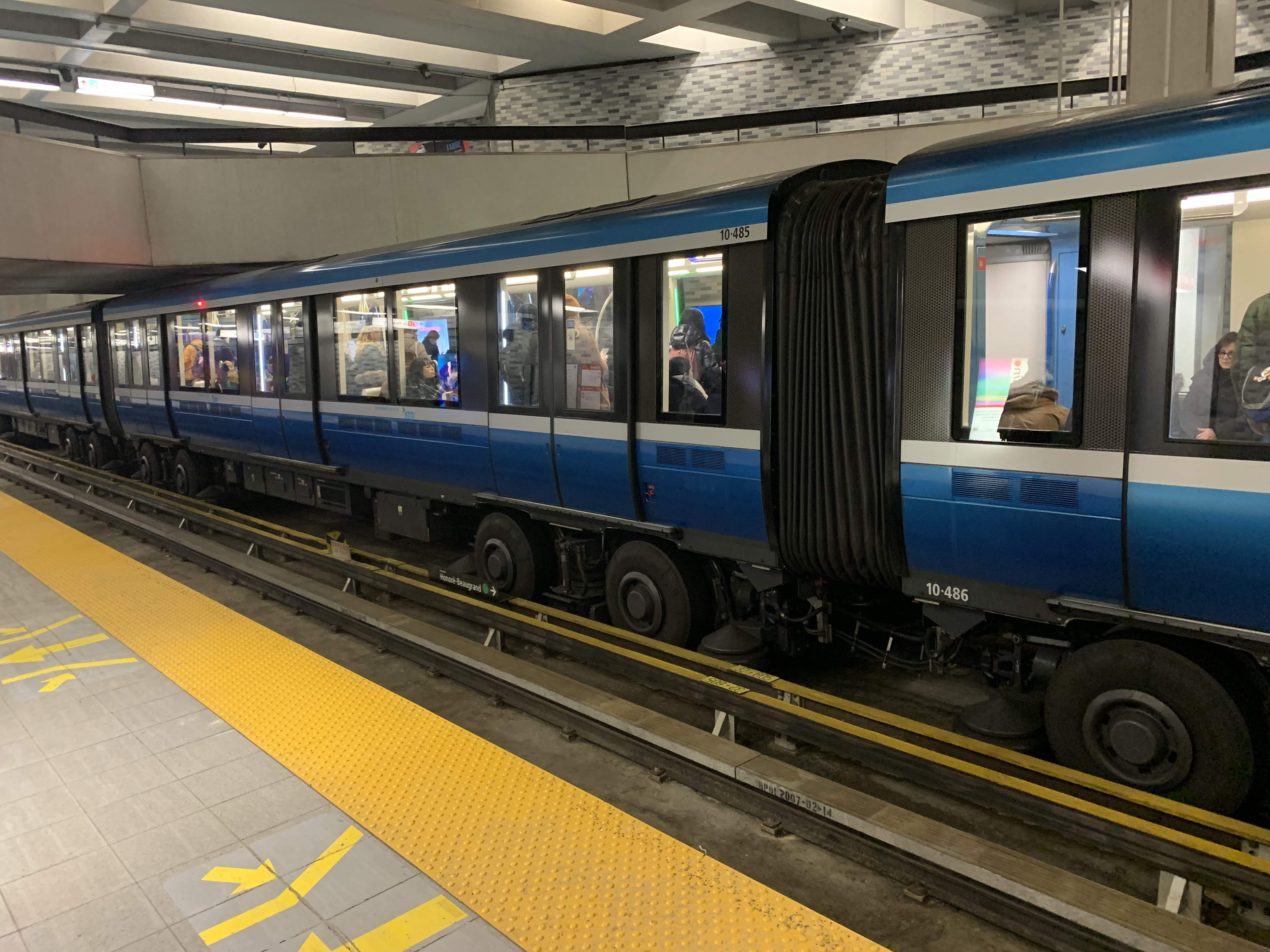
The Montreal Metro isn't just a transit system anymore. For many, it's become a de facto shelter, a waiting room, or a place to simply exist out of the cold. But the Société de transport de Montréal (STM) just made its stance clear. The "move along" order—a rule that allows special constables to kick people out for using the stations for anything other than catching a train—is staying in place until April 30, 2027.
If you’ve taken the Green Line lately, you know the vibe. It’s tense. Riders feel uneasy, and staff are burnt out. The STM claims this legal tool is the only way to keep the "social balance" from tipping into total chaos. It’s a controversial move, and honestly, it’s a Band-Aid on a much deeper wound in Montreal's social fabric. But for the transit agency, the data says it’s working.
The numbers behind the crackdown
The STM didn't just pull the 2027 date out of a hat. They’ve been tracking the results since the order was reintroduced in March 2025. Between November 2025 and March 2026, the agency saw some pretty dramatic shifts.
- Service interruptions caused by "intentional disruptive behavior" dropped by 22%.
- Station closures became easier because the number of people needing to be escorted out at the end of the night plummeted by 36%.
- Assaults on employees stabilized, which is a small win given how much they’ve spiked over the last few years.
Special constables are using this power about 2,500 times a month. That’s nearly 83 times a day across the whole network. When you look at it that way, it’s not just an occasional tap on the shoulder. It’s a constant, systematic effort to keep people moving.
What move along actually looks like
Don't think of this as a blanket ban on sitting down. The "move along" order is specific. It targets people using the metro for "non-transit purposes." Basically, if you aren't there to get from Point A to Point B, you're on thin ice.
Special constables have the discretion to intervene when they see loitering that affects the "sense of safety." That’s a vague term, right? It covers everything from someone sleeping across three seats to groups blocking entrances or people consuming drugs in the open.
I’ve seen how this plays out. It’s often a polite but firm request to exit the station. If you don't? Then the fines and forced removals start. The STM argues this isn't about criminalizing poverty, but about protecting the primary mission of the metro: moving 900,000 people a day safely.
The social cost nobody wants to pay
The big elephant in the room is homelessness. Montreal’s shelter system is bursting at the seams. When the STM pushes someone out of Berri-UQAM at 11:00 PM on a Tuesday in February, they aren't fixing the problem. They’re just moving it to the sidewalk.
Advocates have been vocal about this. They argue that by extending this order until 2027, the city is just hiding its most vulnerable citizens instead of housing them. But the STM's board chair, Aref Salem, is firm. He says the metro cannot be the solution to the city’s housing crisis.
It’s a brutal tug-of-war. On one side, you have parents who are scared to let their kids take the metro alone because of open drug use. On the other, you have social workers watching people get pushed into the freezing cold with nowhere to go.
Transit security vs. social intervention
The STM has tried to soften the blow by adding "Ambassadors" and social intervention teams (EMMIS). These aren't cops; they're people trained to de-escalate and refer folks to shelters.
But the 2026 budget is tight. The STM is dealing with a $1.8 billion operating budget and a massive $7 billion maintenance deficit. They’re cutting costs everywhere, from IT consultants to bus maintenance. In that environment, the "move along" order is a cheap way to manage safety. It doesn't require building new housing; it just requires a constable with a badge and a directive.
Why 2027 matters
Setting the expiration to April 2027 gives the STM two more full winters to gather data. Winter is the pressure test for the Montreal Metro. It’s when the stations become a haven for those without a home. By extending the order now, the STM is signaling that they expect the current social crisis to last at least another three years.
They’re also betting that a cleaner, more "orderly" metro will bring back ridership. Since the pandemic, the "sense of safety" among riders has been a major hurdle. For the STM, the logic is simple: if people don't feel safe, they won't use the metro. If they don't use the metro, the agency loses money.
What this means for your daily commute
If you’re a regular rider, you’ll likely see more uniforms. You’ll also probably see fewer people lingering in the long corridors or near the heaters. Whether that makes you feel "safer" or just "sadder" depends on your perspective.
Don't expect the tensions to vanish overnight. The STM has admitted the "move along" order isn't a silver bullet. It's one part of a larger plan that includes more cameras, better lighting, and those social intervention teams. But for the next three years, the message is clear: the metro is for transit, and nothing else.
If you’re concerned about how these measures affect the community, keep an eye on the municipal debates. The city’s 2026 homelessness plan is supposed to add more warming centers, but until those spaces actually exist, the metro will remain a flashpoint.
Expect more frequent announcements and a higher security presence at "hot" stations like Atwater, Bonaventure, and Place-des-Arts. If you see someone in distress, the best move is to contact the EMMIS teams rather than just calling security. It’s a small way to ensure the "move along" order doesn't just result in someone being tossed into the street without a lifeline.