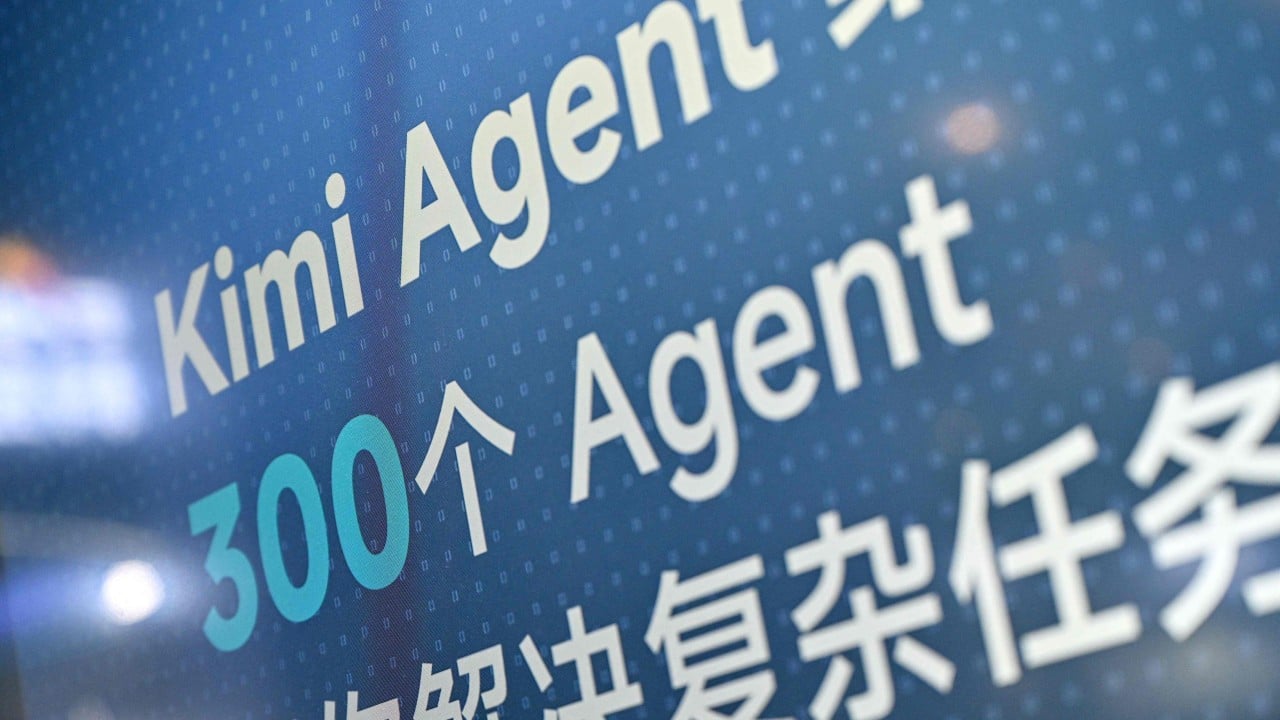
Moonshot AI just hit a wall that every major artificial intelligence company fears. Right after launching Kimi K3, a massive 2.8 trillion-parameter model, the Chinese startup had to freeze new consumer subscriptions. Demand blew past their internal forecasts in less than 48 hours. Server clusters melted under the load, forcing the team to lock the front door to new paying customers while they scramble for more GPUs.
If you tried signing up over the weekend, you got turned away. The company announced on social channels that existing subscribers get priority while new spots will open in small batches later. It's a dramatic moment for an outfit that just reached a $30 billion valuation and started eyeing a Hong Kong IPO. But behind the headline chaos lies a much bigger story about raw hardware availability, massive model sizes, and the hidden costs of running complex software.
The Raw Numbers Behind the Capacity Crunch
Building a model with 2.8 trillion parameters is a massive engineering feat. Running it live for hundreds of thousands of concurrent users is an entirely different battle.
Kimi K3 debuted as the largest open-weight model in the world. It features a 1-million-token context window designed for heavy reasoning, multi-step agent tasks, and deep code generation. When users throw long codebases or entire books into a model with that kind of capacity, inference demands explode.
Inference isn't like training. During training, workload is predictable and controllable across fixed clusters. Inference is chaotic. Every time a user requests deep reasoning or multi-turn agent execution, the model loops through repeated processing cycles. That hogs GPU memory bandwidth relentlessly.
Moonshot's hardware infrastructure couldn't cushion the initial shockwave. Within two days of the public release, user requests approached absolute operational limits. To keep current members from suffering unusable latency and constant timeouts, executives made the call to pause all new sign-ups.
Splitting Memberships to Tame Demand
To cope with this unexpected surge, Moonshot isn't just buying more servers. They're changing how they sell access to the model entirely.
The company is splitting its subscription tiers into two separate tracks.
- Kimi Membership: Covers basic daily use, including the standard web client, mobile apps, and routine document tasks.
- Kimi Code Membership: Tailored specifically for software developers and deep programming workflows that demand massive compute power.
This split makes total economic sense. Software developers use far more processing power than someone asking for a quick text summary. Developers run long scripts, test code iterative loops, and prompt models with thousands of lines of context at once. By siloing coding workflows into a dedicated tier, Moonshot can price compute accurately and throttle rogue usage without breaking everyday features for general users.
It's a practical workaround, but it also shows how fast the free-for-all era of cheap, unlimited AI access is closing down.
Open Weights in an Era of Tight Silicon Supply
The timing of this pause creates a fascinating dynamic. Moonshot pledged to release the full model weights for Kimi K3 by July 27, 2026.
That means developers around the world will soon have free access to download the architecture, tweak it, and host it locally. On paper, open weights give power back to developers and reduce reliance on centralized API endpoints.
The reality on the ground is different. Running a 2.8 trillion-parameter system locally is practically impossible for small startups, let alone individual developers. The hardware stack required to host a model of this magnitude costs serious money. You need specialized enterprise server rigs, high-bandwidth interconnects, and cooling setups that only large organizations or well-funded cloud providers can afford.
Because of that hardware barrier, most developers won't host K3 themselves. They will still rely on Moonshot's hosted API and web subscription services. That keeps the compute pressure right on Moonshot's doorstep, regardless of whether the model weights are open or closed.
Adding to the complexity are existing trade restrictions on high-end silicon. Chinese developers don't have open access to top-tier hardware chips. They have to optimize software pipelines relentlessly to squeeze maximum throughput out of available clusters. When a surprise hit like K3 lands, software optimization alone cannot cover a sudden shortfall in physical chips.
The Market Shockwaves Across Silicon Valley
The success and subsequent capacity bottleneck of Kimi K3 sent ripple effects across global markets. Front-end coding leaderboards placed K3 right alongside top proprietary models from Anthropic and OpenAI.
When a Chinese startup delivers top-tier performance at a fraction of standard API prices, American tech investors take notice. Wall Street reacted swiftly, trimming prices on major US tech equities over concerns that affordable overseas alternatives might eat into the margins of domestic giants.
Yet, K3's sudden subscription freeze highlights the common equalizer affecting every player in this race, regardless of geography. Nobody has enough chips. Whether an AI team operates out of San Francisco, Beijing, or London, serving trillion-parameter models at scale drains resources faster than companies can build data centers.
The competitive edge in artificial intelligence is no longer just about who has the cleverest algorithm or the largest dataset. It's about who can secure electric power, maintain stable server cooling, and acquire enough silicon to handle unpredictable traffic spikes without turning customers away.
Practical Steps to Handle Compute Bottlenecks in Your Tech Stack
If your organization relies on external AI APIs or plans to integrate large models into production, the Kimi K3 outage holds valuable lessons. You can't assume cloud providers will always have uninterrupted capacity ready for your apps.
Here's how to shield your software operations from sudden subscription freezes and API rate limits.
1. Build Multi-Model Fallback Routers
Never rely on a single model provider for critical product features. Set up an internal routing system that automatically fails over to alternative models if your primary API returns a 429 rate-limit or 503 capacity error. If a high-capability model like K3 goes offline, your app should seamlessly downgrade complex tasks to smaller open-weight models without crashing the user interface.
2. Implement Aggressive Caching Strategies
Inference costs and latency soar when users resubmit identical or similar prompts. Store previous model outputs in a vector database or semantic cache layer. When a customer asks a question that has already been answered, serve the result from your cache instead of hitting the AI provider again. This saves money and protects your application when provider capacity tightens.
3. Separate High-Compute Workflows from Core Features
Follow Moonshot's playbook by separating heavy background tasks from light client interactions. Don't let long-running code generation scripts run on the same API keys or resource pools that serve real-time chatbot interfaces. Splitting heavy batch processing from quick user queries keeps your primary product responsive even during peak service strains.
4. Audit Your Hardware Dependencies Today
If you plan to self-host open-weight models like K3 after their public weight drop, audit your cloud GPU infrastructure now. Check your instance quotas with cloud vendors and secure reserved instances well before attempting to deploy. Attempting to spin up massive on-demand server instances during a global compute shortage will leave your deployment stranded.
The sudden sign-up freeze at Moonshot AI isn't an isolated glitch. It's the new baseline reality of running giant AI models at scale. Tech teams that prepare for hardware scarcity today will stay online while everyone else gets left waiting on a waitlist.