Everybody loves a good nostalgia trip. For decades, foreign policy pundits have peddled a comforting bedtime story about India and Russia. They tell you about Soviet arms deals, Goa summits, and shared historical opposition to Western unipolarity. It makes for great rhetoric at diplomatic banquets. It looks sharp on paper.
It is also entirely detached from economic and geopolitical reality.
The narrative that New Delhi and Moscow are locked in an ironclad, mutually beneficial embrace across every geostrategic vector belongs in a museum archive, not a modern strategy room. When commentators gush over strengthening ties at summits, they ignore the structural friction tearing this partnership apart from the inside. They rely on lazy consensus, recycled Cold War talking points, and wishful thinking.
Let us look at what is actually happening. Not what diplomats whisper into microphones behind closed doors, but what ledgers, supply chains, and military procurement schedules show.
The Myth of the Unbreakable Axis
To understand why the traditional alliance is fracturing, you have to look north. Russia is no longer the sovereign superpower of the twentieth century. Moscow is structurally, financially, and militarily dependent on Beijing.
Since the invasion of Ukraine and subsequent Western financial sanctions, Russia’s economy has been funneled into a single pipeline: China. Beijing buys Russian hydrocarbons at steep, non-negotiable discounts. Beijing supplies the dual-use microelectronics that keep Russian missiles flying. Beijing dictates the terms of engagement across Central Asia and the Russian Far East.
Where does that leave New Delhi? In a deeply uncomfortable position.
India's primary national security threat is not Washington, London, or Brussels. It is the People's Republic of China. A heavily armed, assertive Beijing shares a disputed Himalayan border with India, complete with ongoing military friction, infrastructure buildups, and unresolved territorial claims. When Moscow ties its geopolitical fortunes directly to Beijing, Russia's capacity to act as a reliable counterweight or a neutral arms supplier for India evaporates.
When strategic analysts pretend Moscow and New Delhi share a unified vision of the multipolar world, they gloss over the most glaring contradiction in modern geopolitics. You cannot simultaneously claim a deep, unshakeable partnership with India while arming and financing the very adversary threatening India's territorial sovereignty. Moscow is no longer an independent global balancer. It is a junior economic satellite of China. New Delhi knows this. They just do not say it out loud on television.
The Military Procurement Mirage
For fifty years, Soviet and Russian hardware formed the absolute backbone of India's armed forces. Tanks, fighter jets, attack helicopters, submarines, and air defense systems came stamped with Cyrillic characters. Generations of Indian military personnel trained on Russian platforms.
That era is dead. It died quietly in the maintenance hangars and logistics depots across India.
Ask any defense procurement official who has spent time trying to secure spare parts for Russian platforms over the last three years. The supply chains are broken. Maintenance backlogs have stretched from months to years. Combat losses in Eastern Europe mean Russian domestic factories prioritize replacing their own depleted arsenals over fulfilling export orders for foreign clients.
Take the delivery schedules for advanced air defense systems. Delays have piled up, leaving strategic gaps in regional coverage. Meanwhile, operational readiness rates for legacy Soviet platforms have plummeted because replacement components are simply unavailable or exorbitantly priced. India cannot afford a military built on unreliable spare parts when border skirmishes with a nuclear-armed neighbor remain a persistent, active threat.
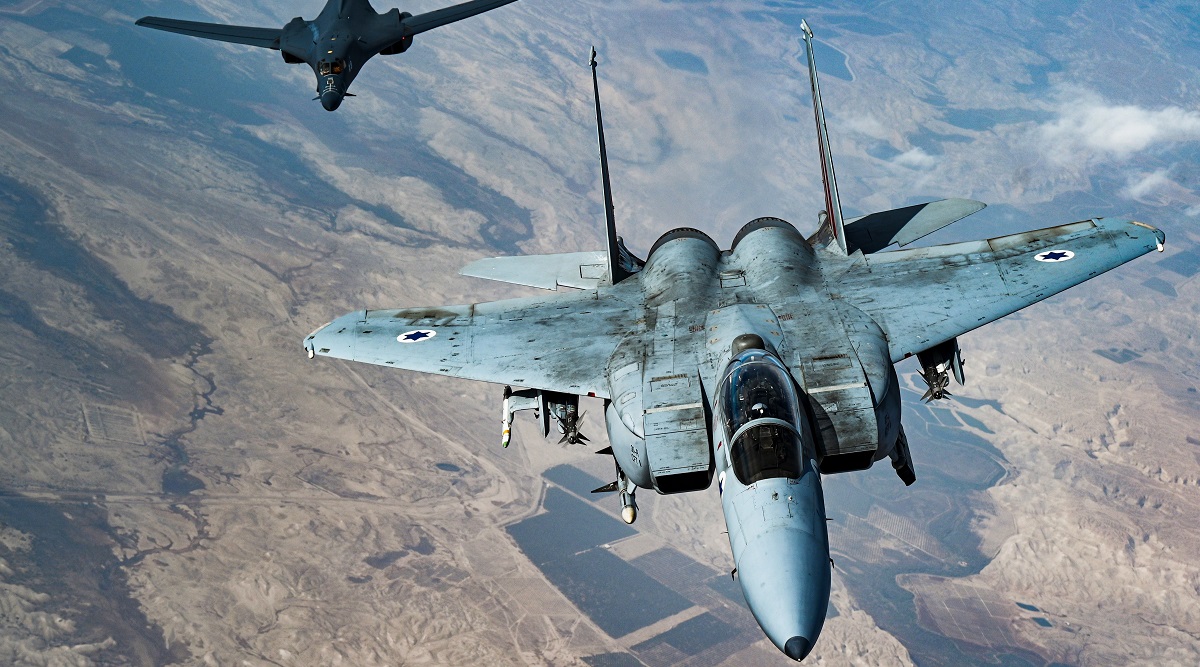
This is why India has quietly, methodically diversified its defense imports. Look at the procurement data. Defense budgets have shifted toward France, Israel, and domestic manufacturing under the Make in India initiative. Rafale fighter jets, Apache helicopters, and indigenous artillery systems are systematically replacing old reliance on Moscow.
When pundits claim military ties are unbreakable, they are looking at outdated inventory lists instead of real-time procurement contracts. The hardware pipeline is drying up, and Indian military planners have already moved on.
The Rupee Trap and the De-Dollarization Fantasy
Then there is the economic sphere. Following the imposition of Western financial sanctions on Russia, brilliant minds in financial journalism predicted a sweeping revolution in international trade. We were told de-dollarization was here. India and Russia would bypass the greenback, trade in local currencies, and usher in a new era of financial independence.
It was a fantasy.
The mechanism collapsed under the weight of basic math and trade imbalances. India buys massive quantities of Russian crude oil at discounted rates. That transaction requires payment. But what does Russia want to buy from India in equivalent volume? Very little. Russia does not import heavy industrial machinery, high-end electronics, or consumer goods from India on a scale that matches billions of barrels of oil.
The result? Billions of Indian rupees piled up in Russian bank accounts in Moscow, sitting idle because they could not be easily converted or spent on anything Russia actually needed. You cannot buy microchips, precision machine tools, or advanced technology with billions of rupees if Indian exporters do not sell those specific goods, and if Russian banks cannot clear them through international settlement networks.
Russia ended up holding mountains of currency it could not deploy effectively, forcing a messy scramble back to other settlement mechanisms, including third-party currencies and complex workarounds. The grand de-dollarization revolution crashed against the hard reality of bilateral trade deficits.
Transactional Pragmatism Over Romantic Ideology
Does this mean India and Russia are enemies? Of course not. International relations are governed by interests, not affection.
India buys Russian oil because it makes brilliant fiscal sense for a developing economy of 1.4 billion people. Keeping domestic fuel prices stable protects vulnerable populations and keeps inflation in check. Refineries in India take that discounted crude, process it, and export refined petroleum products globally at market rates. It is smart, cold-blooded economic self-interest.
Moscow sells that oil because it has few other buyers willing to pay cash without severe political repercussions. It keeps the Russian state budget afloat during wartime expenditure.
That is not an alliance. That is an opportunistic commercial transaction between two actors with shrinking options.
Calling this a trusted partnership across the geostrategic spectrum is diplomatic window dressing. It insults the intelligence of policymakers in both capitals who know full well that their strategic vectors are diverging, not converging.
The Real Strategic Calculus
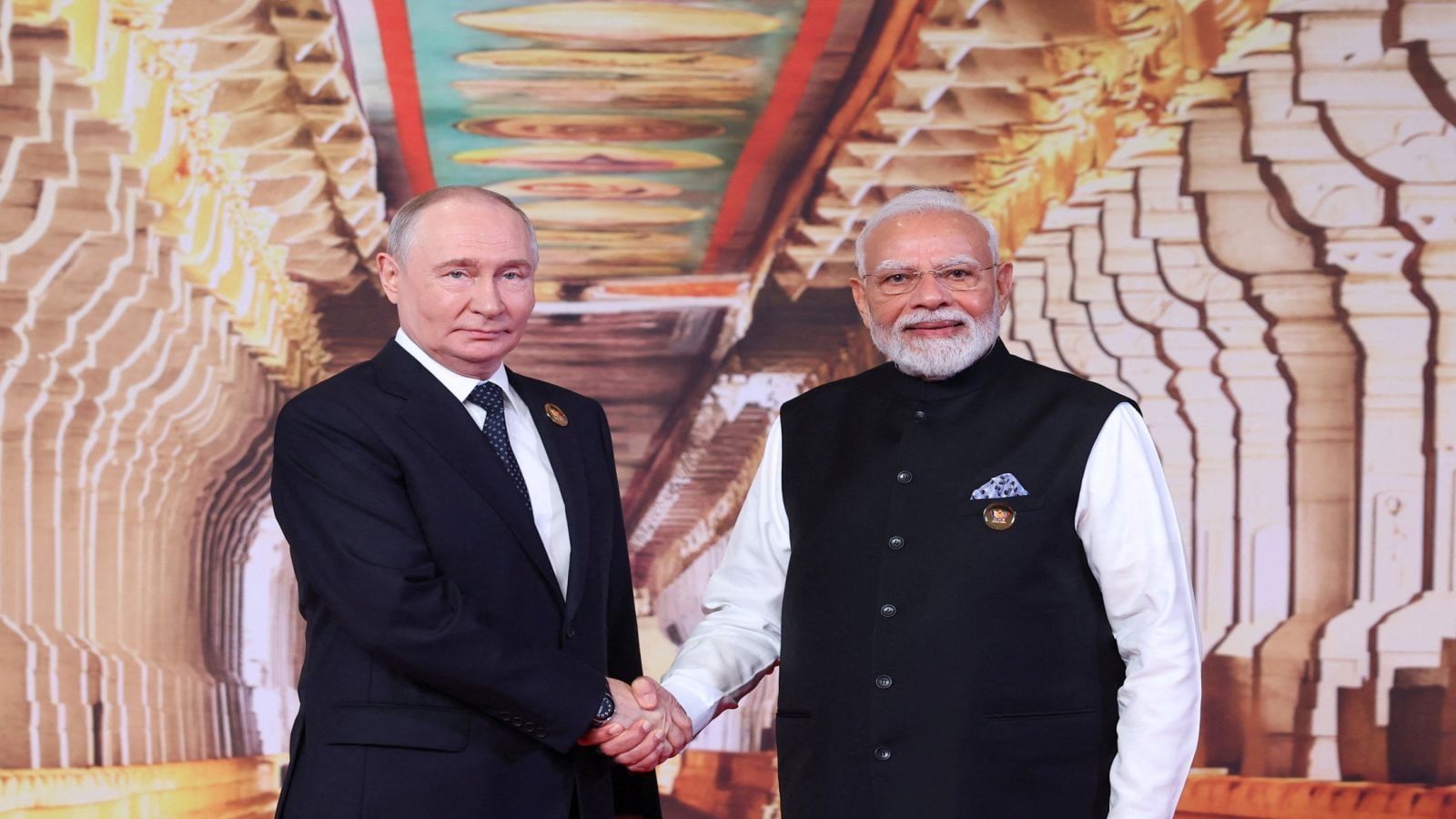
Let us address the foundational premise of summit diplomacy. When leaders gather for photo opportunities, they project unity to manage domestic optics and signal strategic autonomy to Western capitals. It is theater. Necessary theater, perhaps, but theater nonetheless.
Behind the closed doors of South Block in New Delhi, the calculus is entirely different. India's grand strategy is multi-alignment, not pro-Russian alignment. New Delhi is actively deepening security architecture with the Quad—comprising the United States, Japan, Australia, and India—to contain Chinese maritime expansion in the Indo-Pacific. They are expanding defense technology transfers with Washington through initiatives like iCET. They are courting European capitals for high-tech manufacturing partnerships.
A nation genuinely committed to a trusted, all-spectrum partnership with Moscow would not simultaneously integrate its defense architecture, intelligence sharing, and naval exercises with Washington and Tokyo.
India's foreign policy is ruthlessly independent. It refuses to be boxed into a new Cold War bloc, whether Western or Eurasian. Pretending that New Delhi's ties with Moscow represent a pillar of a unified anti-Western coalition misreads India's core doctrine completely. India is for India.
Dismantling the Common Misconceptions
If you look at public discourse surrounding these geopolitical shifts, certain recurring questions surface in policy briefs and op-eds. Let us dismantle them with absolute clarity.
Is India abandoning Russia? No. Abandonment implies emotional loyalty or betrayal. International politics is not a marriage. India is diversifying its dependencies. It maintains functional ties with Moscow because energy is cheap and legacy systems still need maintenance, while systematically reducing its structural exposure to Russian vulnerability.
Will Western sanctions force India to cut ties with Moscow completely? Absolutely not. Washington understands that pushing India into an economic corner over Russian oil would destabilize global energy markets and drive a wedge into the Indo-Pacific security architecture. Pragmatism wins in Washington just as it does in New Delhi.
Can BRICS function as a cohesive geopolitical bloc against the West? Look at the internal contradictions. India and China share a volatile, militarized border. Brazil and South Africa have entirely different regional priorities. Russia is an international pariah economy tethered to Beijing. A grouping of convenience with competing national interests cannot forge a coherent global governance alternative. It is an economic forum, not a geopolitical monolith.
The Price of Nostalgia
Clinging to outdated tropes about immutable brotherhood is more than lazy analysis. It is dangerous.
When businesses and policymakers base strategic investments, defense procurements, or diplomatic expectations on sentimental history rather than hard data, they fail. They get caught flat-footed when supply chains collapse, when geopolitical alignments shift overnight, or when trade mechanisms grind to a halt because of structural deficits.
The next time you read a breathless dispatch about eternal bonds forged in the fires of the twentieth century, check the trade data. Check the defense procurement orders. Check the Himalayan border patrols.
The romance is dead. Pragmatic survival took its place. Adjust your worldview accordingly.