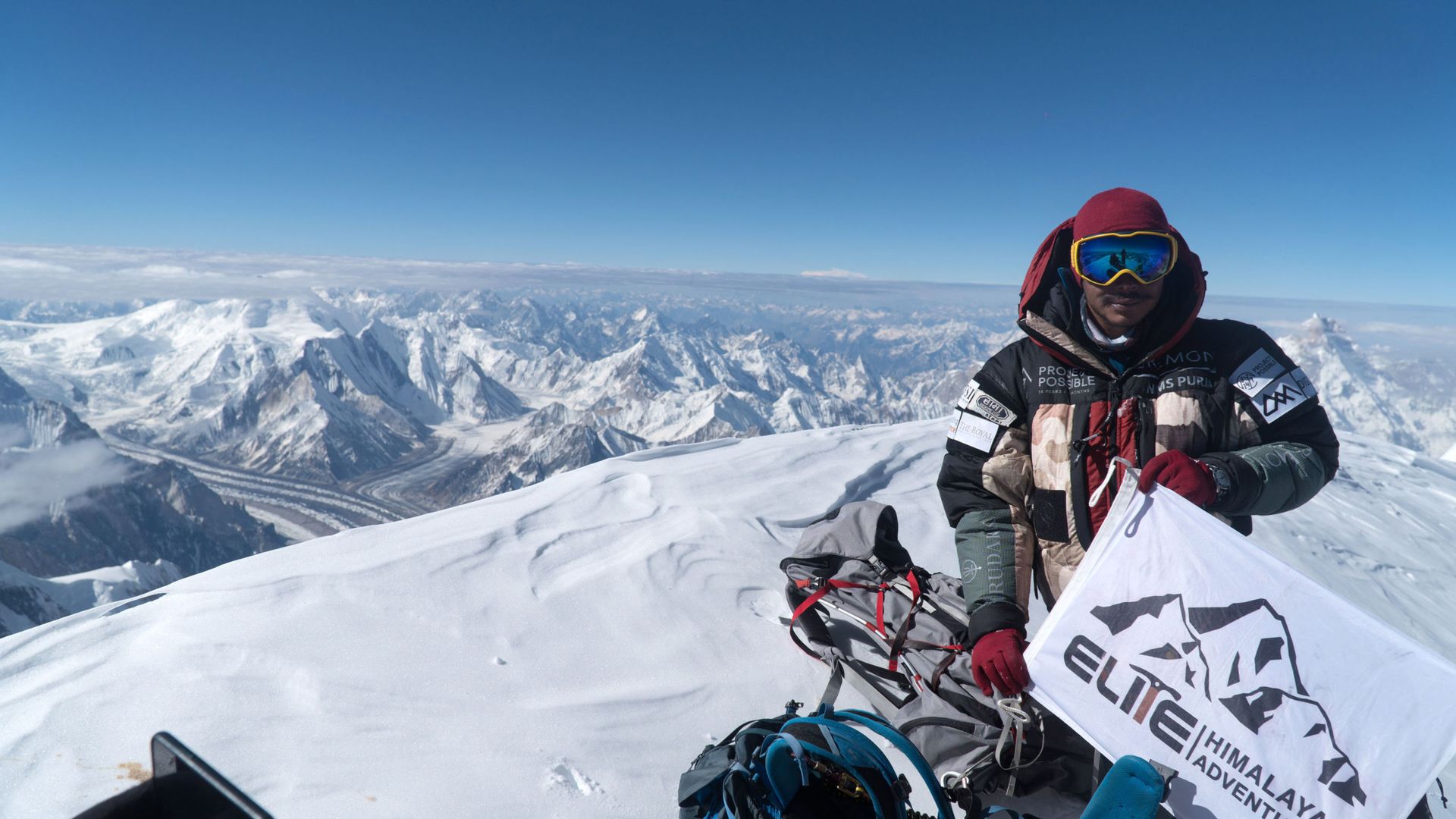
Ten climbers vanished in an instant. Among them was a world renowned mountaineer whose name alone carried weight in base camps from Chamonix to Kathmandu. An avalanche roared down the slopes, erasing tracks, cutting ropes, and plunging an elite expedition into sudden silence. The headlines flash with familiar shock. Another tragedy on the roof of the world. Another life claimed by gravity, snow, and ice. Yet beneath the breaking news lies a deeper, more uncomfortable narrative that the mainstream press rarely examines. This disaster was not merely a tragic roll of the meteorological dice. It was the predictable collision of extreme human ambition, commercialized risk, and rapidly mutating climate patterns in high mountain ranges.
The Illusion of Control at Eight Thousand Meters
Modern high altitude mountaineering has undergone a profound structural shift over the past three decades. What was once the exclusive domain of national teams and self reliant alpine purists has transformed into a heavily serviced, multi million dollar industry. Wealthy clients purchase slots on guided expeditions. They buy bottled oxygen, fixed ropes, and continuous weather routing. They purchase an illusion of control.
Mountains do not care about balance sheets. When a commercial expedition places dozens of climbers on a narrow ridge, every single person introduces a variable. Bottlenecks form in the death zone. Decisions that should be driven by raw, immediate survival instincts get postponed because too much money and logistics have already been spent to turn back.
Consider the mechanics of high altitude decision fatigue. At extreme elevations above eight thousand meters, the human brain functions on a fraction of its normal oxygen supply. Hypoxia clouds judgment. Euphoria mimics confidence. When a lead guide evaluates an unstable snowpack, they are doing so while suffering from cognitive impairment. Layer commercial pressure on top of that biological reality, and the margin for error shrinks to zero.
The Warming Slopes
Weather windows are narrowing. For generations, mountaineers relied on historical climatology to plan their summit bids. Those old playbooks are burning.
Rising global temperatures are destabilizing high altitude permafrost. Rock walls that held firm for centuries are now fracturing as the ice binding them together melts. Glaciers are retreating, leaving behind unstable moraines that unleash debris flows without warning. Wind patterns shift unpredictably, turning gentle jet stream forecasts into violent vortexes of wind and snow.
When an avalanche sweeps through a major route, meteorologists and rescue coordinators point to wind slabs and heavy snowfall. But dig deeper into the data. The underlying cause is often thermal stress within the snowpack. Unseasonable warmth followed by rapid refreezing creates fragile crystalline layers that act like ball bearings beneath millions of tons of snow.
Climbers face a brutal paradox. The very technology meant to keep them safe tracking apps, satellite weather feeds, and real time comms creates a false sense of security. Teams look at a green light on a screen and push forward, ignoring the physical cues screaming from the slope beneath their crampons.
The Economics of Rescue
When disaster strikes, the machinery of international rescue kicks into high gear. Helicopters roar off pads. Sherpa teams volunteer for suicide missions. Governments coordinate diplomatic clearances for cross border air support.
Who pays the bill?
High altitude rescue is an extraordinarily expensive and perilous undertaking. In many cases, local taxpayers and underpaid mountain workers shoulder the mortal and financial risk for adventurers who chose to enter a hostile environment. Commercial outfitters often market their packages with vague promises of comprehensive rescue insurance, but fine print details reveal staggering gaps when extraction requires technical long line helicopter operations above seven thousand meters.
The industry resists strict regulation. Local governments dependent on climbing tourism revenue hesitate to enforce strict caps on permits or mandate elite qualifications for commercial guides. Every restriction means fewer permits sold. Fewer permits mean less revenue for impoverished mountain communities. This economic trap forces a race to the bottom where safety standards bend to accommodate the highest bidder.
Stripping Away the Romance
Media coverage of elite mountaineers tends to lean heavily on heroic tropes. Writers frame these losses as noble sacrifices in pursuit of human greatness. This romanticized lens obscures the gritty, systemic issues driving people onto increasingly dangerous routes.
When a renowned figure goes missing, the public mourns the loss of an icon. We forget that the same systemic pressures that killed the icon also endanger the dozen anonymous porters and supporting staff whose names never make the front page. The risk is deeply stratified. The wealthy client pays for the summit; the low wage mountain worker carries the heavy loads through the icefall where the seracs hang like falling daggers.
Risk cannot be engineered away. No amount of gore tex, carbon fiber poles, or satellite tracking can negotiate with physics. When ten people vanish in an avalanche, the mountain is not displaying malice. It is simply behaving like a mountain. The tragedy occurs when human arrogance refuses to listen to the oldest rule in the book. If the slope says no, you turn around. There are no exceptions for legends, and there are no second chances in the zone of death.

/GettyImages-157526585-93425538070d4422ad42d22af28c0758.jpg)