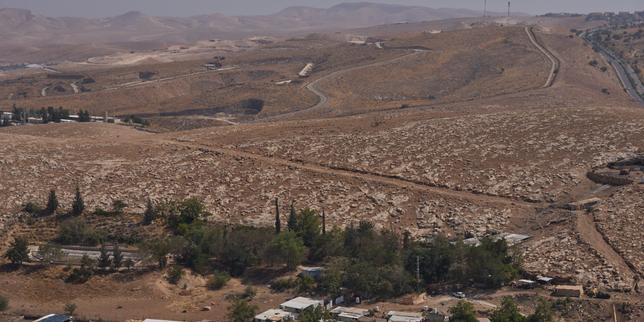
The desert does not care who you are. It does not care that you have children waiting for school fees, or that your mother’s medicine is running low, or that the dry season left the goats skin and bones. It only knows weight. It only knows gravity. And when millions of tons of unstable, ancient earth decide to let go, they do not pause to ask who is standing underneath.
In the remote gold-rich regions of Sudan, the earth gave way again. At least eighty-two lives vanished beneath a cascade of stone and powdered soil at an artisanal mine. Behind that chilling number are dozens of men who went to work before the sun had even burned the chill from the air, carrying shovels, torches, and hope, only to become ghosts trapped in a mountain of their own making.
Silence follows a collapse of this magnitude. Not peace. Not quiet. A heavy, suffocating absence.
To understand why men climb inside hollowed-out hills with nothing more than hand tools and blind courage, you have to understand the shape of desperation. When formal economies shatter, when inflation eats currency alive and conflict burns the fields, gold becomes the only language everyone speaks. It is heavy, it is bright, and it can be traded for flour, sugar, or a safe passage.
Imagine standing at the edge of an open shaft hand-dug into the side of a barren hill. The walls are not shored up with heavy steel beams or engineered timber. They are raw dirt, baked bone-dry by a relentless sun, held together by stubbornness and prayer. The air at the bottom smells of sweat, diesel fumes from makeshift generators, and the sharp tang of rock dust. Every breath you take feels like swallowing sandpaper.
Yet people descend anyway. They descend because the alternative is watching hunger sit at the family table.
When the disaster struck, there was no sophisticated rescue apparatus waiting in the wings. There were no heavy cranes or thermal imaging drones slicing through the dust. There were only bare hands, shovels, and frantic shouts echoing against the canyon walls. Neighbors dug for neighbors. Brothers clawed at boulders they had no business moving, fueled by the terrifying realization that the man trapped beneath might be wearing their own shirt.
Statisticians call these incidents mining accidents. That phrase sanitizes the reality. It implies a malfunction in a corporate machine, a gear slipping in a factory. This is not that. This is a mountain collapsing because human beings are carving out its heart with pocket knives because there is nothing left to lose.
Consider the sheer scale of the informal mining sector across Sudan. Hundreds of thousands of people scour the earth, chasing rumors of glittering seams in remote provinces. They work in scorching heat, exposed to toxic mercury used to separate the precious metal from the slurry, drinking warm water from plastic jugs, and trusting their lives to the structural integrity of tunnels dug by guesswork.
When a shaft fails, it does not happen slowly. There is no polite creaking of timber to warn the workers. There is a sudden, deafening roar—a sound like a freight train tearing through a library—and then darkness. The mountain simply swallows itself.
The aftermath is a cruel choreography of grief. Families gather near the pit, staring at mounds of gray earth that look identical to a thousand other mounds in the desert. They wait for bodies wrapped in simple cloth. They count the missing. They perform the ancient, exhausting labor of mourning in a place where sorrow is as common as dust.
And then, the machinery of survival grinds back into motion.
A few miles away, another shaft is opened. Another group of men ties rags around their faces to keep out the particulate hell. Another engine sputters to life, coughing black smoke into the pristine, indifferent sky. Because the gold is still there, and the hunger is still there, and the desert continues to demand its terrible tribute day after day after day.
The sun sets over the ridge, turning the dust clouds into bruised streaks of violet and orange. Down in the valley, the lanterns flicker on, tiny points of defiance against an endless, dark horizon.