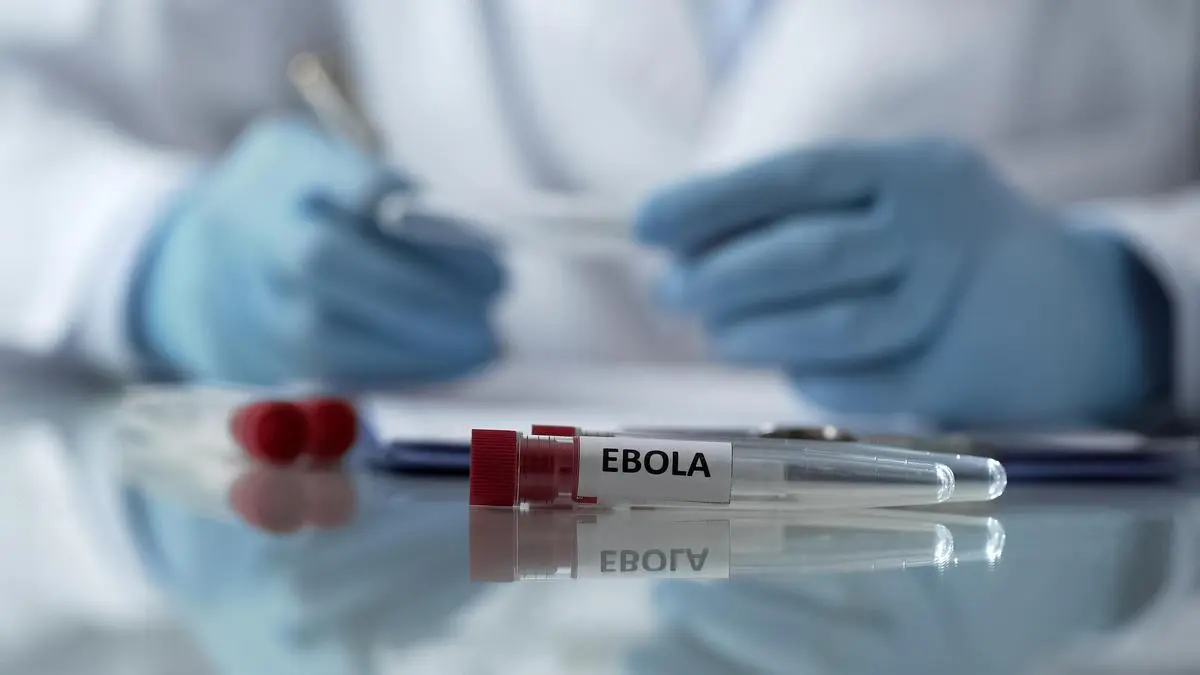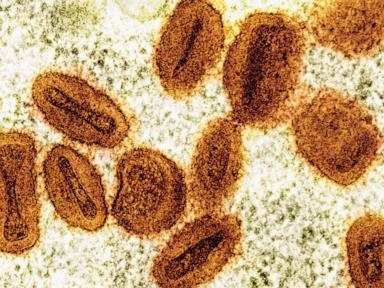
Federal prosecutors just charged two scientists for allegedly smuggling deactivated mpox virus samples into the United States and lying to border officials. The mainstream media is running its standard playbook. The headlines scream about biosecurity breaches, rogue researchers, and the looming threat of the next global pandemic leaking from a backpack.
They are missing the entire point.
The obsession with policing dead, non-infectious viral fragments at the border is not keeping anyone safe. It is a theater of safety that actively suffocates legitimate medical research while doing absolutely nothing to stop an actual biological threat. We are burning millions of dollars and weaponizing the justice system to track deactivated genetic material, while the real vulnerabilities in global health security remain completely unaddressed.
The Illusion of the Dangerous Fragment
Let’s dismantle the technical misunderstanding that local news anchors and politicians love to exploit. The scientists in question brought in deactivated material. In virology, "deactivated" means dead. It cannot replicate. It cannot infect a host. It cannot jump from a laboratory technician to a community.
Treating a vial of non-replicating viral DNA as if it were a live, weaponized pathogen is equivalent to treating a blueprint of a tank like an active piece of artillery.
The current regulatory framework treats all genetic material from a select agent with the exact same blanket paranoia. This lack of nuance forces scientists to navigate a bureaucratic nightmare just to move harmless reference materials across borders for comparative study. When the administrative burden becomes so dense that elite researchers start cutting corners or mislabeling vials just to avoid six months of customs delays, the system has failed. It has created an environment where compliance is the enemy of velocity.
Real Biosecurity Happens at the Synthesizer, Not the Border
Border Patrol agents are trained to look for contraband, counterfeit goods, and traditional weapons. They are not molecular biologists. Expecting customs declarations to act as the primary shield against biological threats is a fundamental strategy error.
If a rogue actor wants to acquire mpox, or any other orthopoxvirus, they do not need to sneak a vial through JFK International Airport. They can order the genetic sequences online.
The real frontline of modern biosecurity exists at the level of DNA synthesis providers. Companies that manufacture custom oligonucleotides are the gatekeepers. If an unauthorized entity tries to order a specific, dangerous sequence of a regulated pathogen, the screening software flag it. That is where the surveillance belongs.
Instead, the government spends its energy tracking academic researchers moving inactivated samples for diagnostic validation. I have watched research institutions stall vital work for months, waiting for permits to transfer non-infectious controls during active outbreaks. The result? Slower diagnostic development, delayed peer reviews, and a scientific community that operates in fear of clerical errors turning into federal indictments.
The Brutal Tradeoff of Over-Regulation
Every contrarian stance must acknowledge its own downside. If we relax the enforcement on deactivated samples, do we open a loophole? Could a bad actor attempt to pass off live virus as deactivated?
Yes, that is the risk.
But the alternative is worse, and we are living it. By flattening the risk profile and treating dead virus exactly like live virus, we create a massive bottleneck for global health collaboration. During a fast-moving outbreak, the speed at which international labs can share samples determines how quickly we understand mutations, validate PCR tests, and deploy countermeasures.
When the United States decides to make an example out of scientists who bypassed administrative paperwork for non-infectious materials, it sends a chilling message to the international community. Foreign labs will simply stop collaborating with American institutions. They will send their data and samples elsewhere, leaving US researchers in the dark. We are trading actual scientific readiness for the appearance of border security.
The Flawed Questions We Keep Asking
The public discourse surrounding this incident is broken. Look at the standard questions dominating the news cycle:
- How did these scientists bypass border security? This is the wrong question. The real question is: Why does our system make it so incredibly difficult to import a harmless, non-infectious research control that the scientists felt compelled to bypass the paperwork?
- Could this have started an outbreak? No. The material was deactivated. The premise of the question relies on fear rather than basic biology.
- Should we tighten restrictions on genetic materials? Absolutely not. Tightening restrictions further will only guarantee that the next generation of vaccines and therapeutics will be developed outside the United States, away from our oversight entirely.
Stop Hunting Scientists, Start Fixing Infrastructure
We have built a system that punishes intent and scientific utility while ignoring actual risk. A scientist trying to get a reference sample into a lab to build a better diagnostic test is not a bioterrorist, even if they filled out the customs declaration incorrectly.
True biosecurity requires a complete shift in perspective:
- Differentiate by Risk, Not Name: A pathogen's regulatory burden must be tied strictly to its viability. If it cannot replicate, it should not require the same handling permits as a hot agent.
- Centralize Digital Screening: Shift funding away from physical border searches of scientific luggage and pour it into universal, mandatory screening protocols for all commercial DNA synthesis operations globally.
- Create Express Channels for Verified Institutions: Academic and corporate labs with proven track records should have pre-cleared, frictionless pipelines to move research materials across borders within 24 hours.
The current strategy is unsustainable. We are prosecuting the people who are trying to build the shields, all while the back door to the armory remains wide open. Stop cheering for federal indictments that do nothing to move the needle on actual public safety. Treat the researchers like assets, monitor the synthesis technology, and stop pretending a vial of dead DNA is a national security crisis.