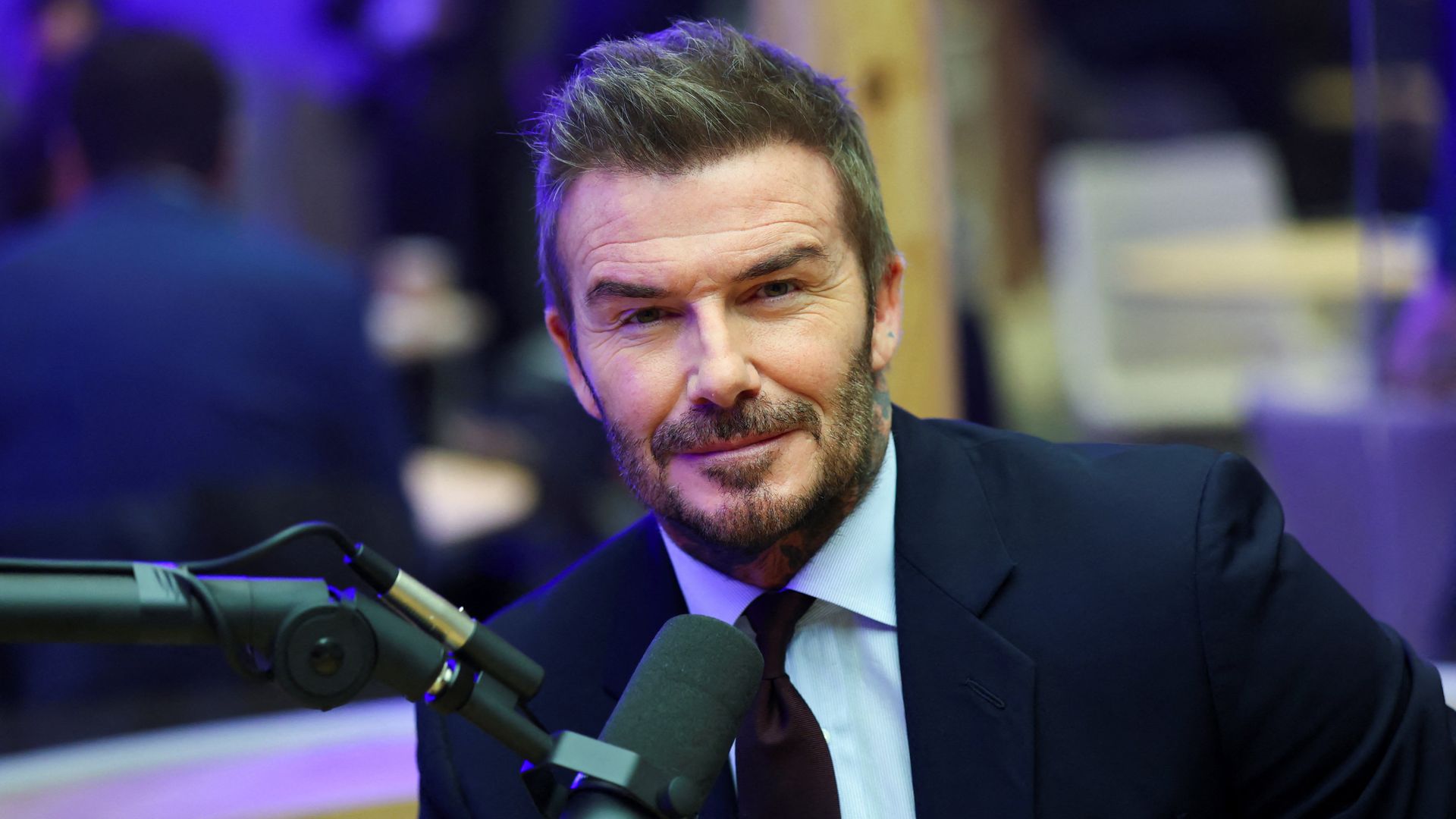
The media is currently tripping over itself to celebrate David Beckham as the UK’s first "billionaire sports star." They look at the brands, the Miami MLS franchise, the Netflix documentaries, and the tailored suits, and they declare it a triumph of athletic entrepreneurship.
It is nothing of the sort.
The breathless coverage of Beckham’s ten-figure net worth misses the fundamental reality of modern wealth creation. Beckham hasn't built a business empire. He has perfected the art of high-level labor. He is not a tycoon; he is the world’s most successful influencer, operating as a glorified, equity-adjacent contractor for the actual billionaires who pull the strings.
When the Sunday Times Rich List drops, people look at the numbers and ask, "How can I emulate that brand?" They are asking the wrong question. The real question is: Who is actually making the real money off the Beckham brand? Hint: It isn't David.
The Illusion of Ownership
The lazy consensus in financial journalism is that Beckham transitioned from athlete to owner. We see him in the owner's box at Inter Miami CF and assume he is the mastermind.
Let's look at the actual mechanics of that MLS deal. Beckham’s famous 2007 LA Galaxy contract included a clause allowing him to purchase an MLS expansion team for a fixed price of $25 million. On paper, a genius investment. But a sports franchise requires staggering amounts of capital to operate, build stadiums, and absorb yearly losses. Beckham didn't fund that.
Instead, the heavy lifting came from Jorge and Jose Mas—the billionaire construction titans of MasTec—and soft-power funds. Beckham was brought in as the shiny storefront. His "ownership" is a sweat-equity marketing fee wrapped in a corporate structure. He provides the face; they provide the billions.
When you strip away the PR, this isn't entrepreneurship. It is an endorsement deal masquerading as equity.
I have spent years analyzing how corporate structures swallow celebrity brands. The script never changes. A celebrity believes their own press, assumes they are the captain of industry, and signs a deal where they take the public-facing risk while institutional capital takes the real equity. If Inter Miami succeeds, Beckham does well. If it hits a systemic crisis, the institutional backers write off the loss, while Beckham’s global brand takes the reputational hit.
The Authentic Brand Fallacy
Every marketing guru on LinkedIn loves to talk about "building an authentic brand like Beckham." They claim his longevity is due to his genuine connection with the public.
This is total nonsense. The Beckham brand is a highly engineered, corporate-managed asset. It is as manufactured as a boy band.
True entrepreneurship requires operational control, product development, supply chain management, and capital allocation. Beckham’s daily workflow does not involve managing inventory or negotiating shipping lanes for his grooming line. It involves showing up to a photoshoot, looking impeccably groomed, and signing a licensing agreement managed by Authentic Brands Group (ABG).
Remember ABG? That is the brand management mega-firm run by Jamie Salter. In 2022, Beckham sold a 55% stake in DB Ventures to ABG for an estimated £200 million.
Think about that. To secure liquidity and scale, Beckham had to sell the majority of his own name and likeness to a corporate rollup firm. ABG owns the intellectual property of dead celebrities like Marilyn Monroe and Elvis Presley. Beckham essentially entered the same stable. He institutionalized himself while he was still alive.
- The Pro: He got a massive cash injection and a corporate machine to monetize his face globally.
- The Con: He no longer calls the shots on his own identity. He answers to a board of directors.
Does that sound like a rogue financial titan to you? Or does it sound like a highly compensated executive vice president of his own face?
The Valuation Lie
We need to talk about how the media calculates "billionaire" status. It is almost entirely based on paper valuations and mark-to-market assumptions, not cold, hard cash.
If a venture capital firm invests in a tech startup at a $1 billion valuation, the founder is labeled a billionaire on paper. If that startup burns through its runway and crashes twelve months later, that wealth vanishes.
The Rich List applies the same flawed logic to sports stars. They take the estimated value of Inter Miami, multiply it by Beckham’s rumored percentage, add the ABG payout (before taxes and massive management fees), and throw in some real estate assets to hit the magic ten-figure headline.
It ignores a brutal truth about wealth: liquidity matters.
[Paper Assets / Franchise Value] ──> Dependent on Market Mania
[Licensing Revenue] ───────────────> Dependent on Continued Relevance
[True Liquid Wealth] ──────────────> Significantly lower than headlines claim
If Beckham tried to liquidate his entire portfolio tomorrow—selling his minority stake in Miami and his remaining share of DB Ventures—the market would panic. The value of those assets is tied to his active participation. The moment he cashes out completely, the asset depreciates. He is trapped in a golden cage of his own valuation.
Stop Trying to Build a Brand
The worst byproduct of the Beckham billionaire myth is that it convinces regular entrepreneurs to follow a flawed playbook. People look at his success and think they need to focus on personal branding, aesthetics, and lifestyle marketing.
That works if you are a once-in-a-generation athletic prodigy who married a pop star at the height of 90s cool. It does not work for a B2B SaaS company, a manufacturing firm, or a local service business.
If you want true financial independence, you do the exact opposite of the Beckham model:
- Own the Infrastructure, Not the Face: Build businesses where the value is in the intellectual property, the software, or the proprietary systems—not in a charismatic founder who can get sick, cancelled, or old.
- Prioritize Cash Flow Over Valuation: Paper wealth wins headlines; cash flow wins recessions. Do not chase paper valuations that require you to sell your soul to institutional private equity just to stay afloat.
- Control Your Distribution: Beckham relies on Instagram, legacy media, and global retail networks to stay relevant. If the algorithms shift or the political climate turns against his sponsors (like his highly criticized Qatar World Cup deal), his distribution chokes. Own your customer data. Own your channels.
The Brutal Reality of the Top Tier
There is a massive difference between being rich and being powerful.
David Beckham is incredibly rich. He can buy any car he wants, fly private, and rub shoulders with royalty. But in the grand chess game of global capital, he is a piece, not the player.
The real players are the quiet billionaires who buy the broadcast rights to the leagues he plays in. They are the sovereign wealth funds that use his reputation to wash their geopolitical images. They are the private equity executives who package his name into financial instruments to sell to institutional investors.
Beckham is the ultimate optimization of the labor class. He has pushed the earning potential of working for other people to its absolute absolute limit. He has traded his sweat, his privacy, his family’s image, and his name for a massive pile of cash and a seat at a table where he will always be an employee.
Celebrate the hustle if you want. Admire the discipline. But do not call it an entrepreneurial blueprint.
Stop looking at the storefront and start looking at the landlord.