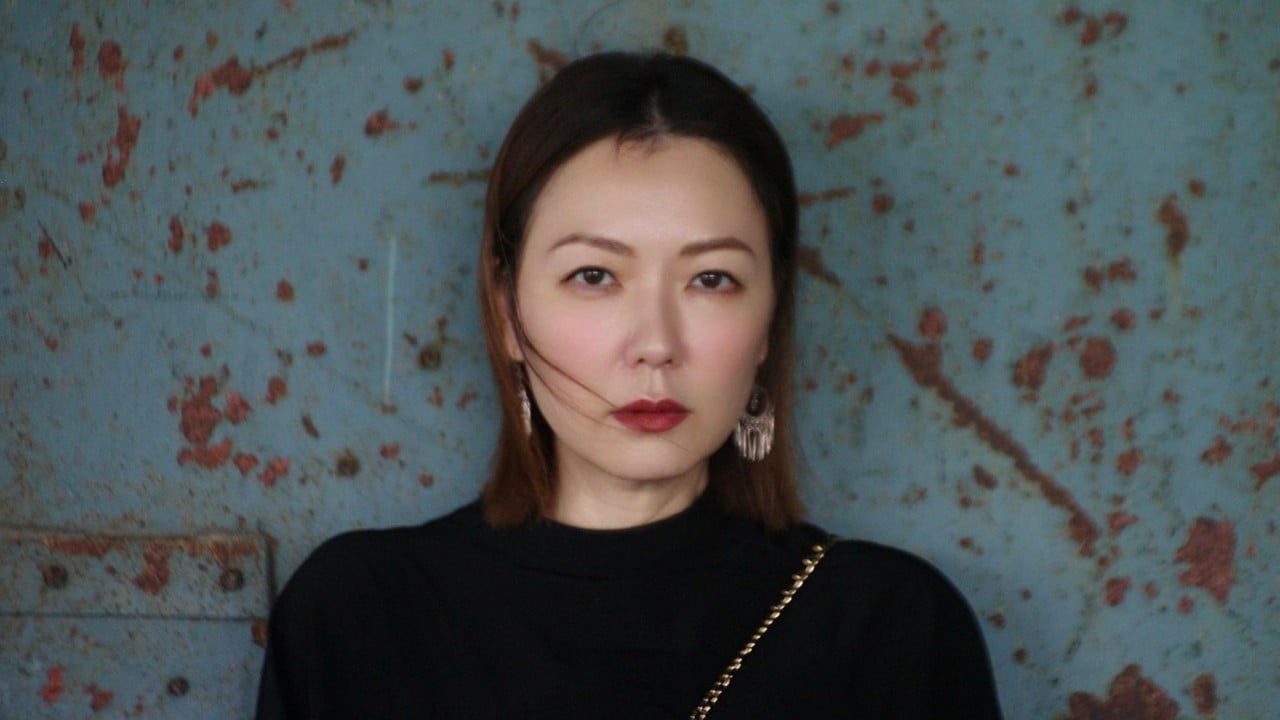
The media loves a "shock." When Kristal Tin, or any public figure, faces a second bout with cancer, the headlines pivot immediately to a mixture of pity and bewilderment. They treat it like a lightning strike—an unpredictable, cruel act of God that shouldn't happen to someone who "lives well."
This narrative is a lie. It is a comforting, sugary lie designed to make you feel like you have more control than you actually do.
The standard health reporting on recurrent or secondary cancers is built on a foundation of "why me" logic. It assumes that if you follow the rules—eat the kale, hit the gym, avoid the sun—the body is a machine that will never break. But the human body isn't a Tesla; it’s a biological experiment in constant decay. A second cancer diagnosis isn't a "shock" to a cellular biologist. It is a statistical probability that we refuse to acknowledge because it ruins the marketing of the multi-billion dollar wellness industry.
The Recurrence Fallacy
Most people confuse "remission" with "cured." They are not the same thing. When the media reports on a celebrity's "second cancer," they often fail to distinguish between a recurrence of the original primary tumor and a completely new primary cancer.
If it is a recurrence, it means the first "victory" was never a victory at all. It was a stalemate. We use scorched-earth tactics—radiation and chemotherapy—to blast cells into submission. But cancer is a master of evolution. A single resistant cell, invisible to a PET scan, can sit dormant for a decade. It isn't "striking again." It never left. It was just waiting for the immune system to blink.
If it is a second primary cancer, the conversation gets even more uncomfortable. The very treatments we use to "cure" the first cancer—specifically ionizing radiation and certain alkylating agents—are carcinogenic. We are trading a death sentence today for a high-risk gamble ten years from now. This is the trade-off no one wants to talk about at charity galas.
Stop Blaming "Stress" and Start Blaming Physics
Whenever a celebrity falls ill, the "lifestyle gurus" come out of the woodwork. They claim the individual was "working too hard" or "under too much stress." This is victim-blaming masquerading as empathy.
While chronic stress can suppress the immune system, it doesn't create a malignant mutation. That happens through DNA replication errors. Every time your cells divide, they have to copy three billion base pairs of DNA. They make mistakes. Most are fixed; some aren't.
Statistically, the primary driver of cancer is simply time. The longer you live, the more "accidents" your DNA accumulates. We call it "bad luck," but it’s actually just the thermodynamics of being alive. To suggest that Kristal Tin or anyone else could have thought-leadered their way out of a genetic mutation is scientifically illiterate.
The Screen-and-Treat Trap
The "People Also Ask" section of your brain probably wants to know: "How can I prevent this?"
The brutal truth? You can't prevent it with 100% certainty. You can only manage risk.
We have been sold a bill of goods on early detection. We are told that if we just scan enough, we can catch everything. But over-screening has created a crisis of over-diagnosis. We are finding "cancers" that would never have killed the patient—low-grade tumors that grow so slowly the person would have died of old age first. Yet, once they are found, we must treat them. We surgery, we radiate, we medicate.
Then, years later, when a secondary cancer emerges from the damage caused by that unnecessary treatment, we call it a "shock." It isn't a shock. It's a side effect.
The Toxic Positivity Problem
The "cancer warrior" trope is exhausting and counterproductive. By framing cancer as a "battle" that can be "won" through "strength," we imply that those who face a second diagnosis—or those who die—simply weren't "strong" enough.
Kristal Tin doesn't need to be a "warrior." She is a biological organism dealing with cellular malfunction. When we demand that celebrities "stay positive" and "fight," we are really asking them to perform for our own comfort. We don't want to be reminded that the human body is fragile. We want to believe that if we are brave enough, we are immortal.
The Real Numbers
If you want to understand why disease "strikes," look at the math, not the headlines.
- Genetic Predisposition: Around 5-10% of cancers are strictly hereditary. If you have a BRCA1 mutation, your "lifestyle" is a secondary factor to your blueprint.
- Environmental Load: We live in a world saturated with microplastics, PFAS, and endocrine disruptors. You cannot "clean eat" your way out of a global environmental shift.
- Age: The median age for a cancer diagnosis is 66. As life expectancy rises, cancer rates must rise. It is the price of not dying of smallpox at age five.
The Strategy for the Informed
If you want to actually navigate this reality without the fluff, stop looking for "miracle foods" and start looking at data.
- Genomic Sequencing: Don't wait for a "shock." If you have a family history, get your genome sequenced. Know your vulnerabilities before they become tumors.
- Aggressive Vigilance, Not Paranoia: Understand that "NED" (No Evidence of Disease) is a snapshot in time, not a permanent status.
- Question the Treatment, Not the Fate: When diagnosed, ask your oncologist about the long-term carcinogenic risk of the treatment itself. Is the 5% increase in survival today worth the 15% risk of a secondary malignancy in a decade?
We need to stop treating cancer as an intruder and start treating it as an inherent part of the human condition. It is a byproduct of the very process that allows us to grow, heal, and evolve.
The "shock" isn't that someone got cancer twice. The shock is that our complex, trillion-cell systems work as well as they do for as long as they do. Stop asking "why her?" and start asking why we continue to fund "awareness" instead of the radical, high-risk genomic engineering required to actually fix the replication errors at the heart of the problem.
Accept the fragility. Ditch the "warrior" mask. The body is a temporary vessel, and biology has no moral compass.