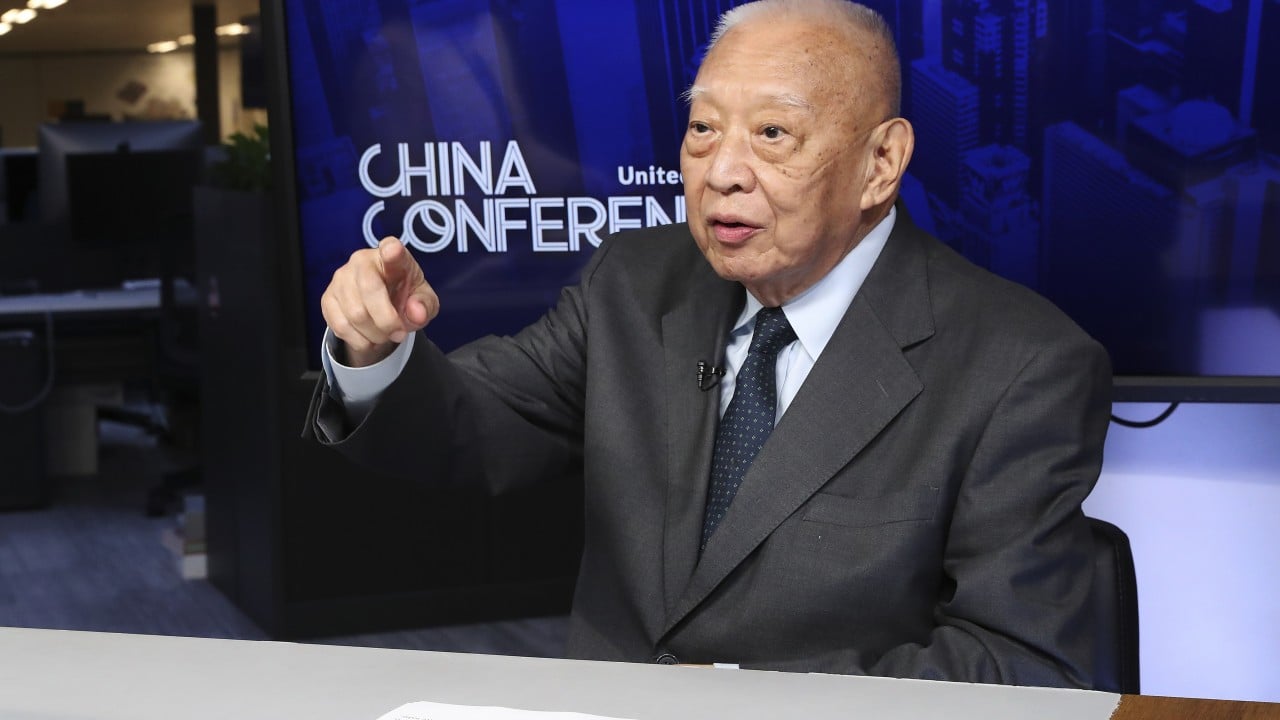
Stop romanticizing the failed architecture of appeasement. Whenever a prominent political figure passes away, the media machinery spins up a predictable, sanitized fable. The lazy consensus surrounding figures like Hong Kong’s first post-colonial leader, Tung Chee-hwa, frames them as noble mediators tirelessly trying to bridge the grand divide between Washington and Beijing. It paints geopolitics as a misunderstanding best solved by cozy think-tank dinners, polite backchannel talks, and elite handshakes.
This is not just naive. It is a dangerous intellectual fraud that obscures how raw power actually operates.
Tung Chee-hwa was never an objective bridge across a chasm. He was an anchor weighed down on one specific side of a structural collision course. To pretend otherwise is to fundamentally misunderstand the mechanics of modern empire, statecraft, and the inevitable friction of competing superpowers.
The Fallacy Of The Neutral Translator
The core argument of mainstream commentary is that elite intermediaries with exposure to both Western and Eastern cultures possess some magical ability to soften geopolitical blowback. Proponents point to initiatives like the China-United States Exchange Foundation or backroom dialogues as proof that communication prevents conflict.
This assumes the US-China conflict stems from poor communication. That premise is false.
Washington and Beijing are not arguing because they are speaking different languages or failing to understand each other’s cultural nuances. They are locked in a structural rivalry over security architectures, semiconductor dominance, financial hegemony, and territorial control. No amount of elite dialogue, charm offensives, or Track II diplomacy bridges a gap created by zero-sum strategic realities.
When analysts praise figures for trying to "heal the divide," they mischaracterize systemic competition as a psychological breakdown. Imagine a scenario where two tectonic plates are grinding against each other beneath the ocean floor. Complaining that the plates lack interpersonal communication skills does not stop the earthquake.
The Structural Debt Of Allegiance
Let us look at the data and the history without the sentimental filter. Tung’s background as a shipping tycoon saved from bankruptcy by state-backed bailouts in the 1980s established an inescapable alignment. When your corporate survival depends on financial lifelines tied to a rising authoritarian state, your operational autonomy disappears.
Yet, mainstream obituaries love to emphasize his time in America—his education at Liverpool, his engineering stint at General Electric—as if living in the West installs a permanent democratic operating system. That is psychological projection by Western journalists who cannot fathom that elite capital often transcends or abandons liberal values when authoritarian stability serves its ledger better.
His tenure running Hong Kong did not bridge East and West; it exposed the friction point where they shatter. From the handling of the Asian financial crisis to the massive resistance against Article 23 security legislation, the approach was defined by a fundamental misread of a population accustomed to civil liberties trying to navigate an incompatible political mandate.
When half a million people march in the streets, treating it as a failure of public relations rather than a wholesale rejection of political architecture is an elite delusion.
Dismantling Track Two Delusions
Why do smart analysts cling to the bridge-builder narrative? Because it comforts institutional egos. It preserves the comforting illusion that diplomacy is a gentlemen's club where sensible men can negotiate away structural imperatives over cognac.
In reality, Track II diplomacy during a cold war serves primarily as a smoke screen. It provides cover for defense budgets to expand while maintaining the polite fiction that peace is just one more symposium away.
We need to stop asking how intermediaries can bring superpowers together. The correct question is: How do societies navigate the shockwaves when bridges inevitably collapse under the weight of incompatible ambitions?
History shows that soft-spoken intermediaries do not alter the trajectory of empires. They get swept under by them. Stop looking for peace brokers where there are only combatants playing assigned roles in a systemic chess match.
The divide is real, it is structural, and it is permanent for the foreseeable future. Acknowledging that truth is the first step toward actual clarity.


