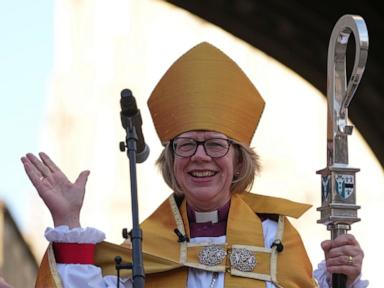
Apologies are the cheapest currency in modern institutional public relations.
When the Church of England issued its formal apology for its role in forced adoptions between the 1950s and 1970s, the media reacted with predictable, synchronized nodding. The narrative was set: a powerful institution finally faces its grim past, expresses contrition, and takes a step toward healing.
It is a comforting script. It is also entirely wrong.
The lazy consensus surrounding historical institutional apologies treats them as milestones of moral progress. In reality, these bureaucratic expressions of regret do something far more sinister. They flatten complex historical realities, absolve current systems of ongoing failures, and substitute performative remorse for actual structural accountability. By focusing entirely on the moral failings of the past, we completely misunderstand the mechanics of how these crises happened—and how similar crises are happening right now under different names.
The Bureaucracy of Compulsion
To understand why a 21st-century apology is functionally useless, we have to dismantle the myth that forced adoptions were simply the result of malicious religious zealotry. The popular narrative paints a picture of fire-and-brimstone clergy bullying vulnerable, unmarried mothers into giving up their children.
The reality is much colder, much more systematic, and far more bureaucratic.
During the mid-20th century, adoption was not just a religious crusade; it was a core pillar of social engineering managed by a tightly woven network of state agencies, medical professionals, charities, and religious bodies. The pressure exerted on unmarried mothers was not merely spiritual; it was economic, legal, and systemic.
Consider the legal framework of the era. The UK Adoption Act of 1958 and its subsequent iterations created an environment where the consent of the natural mother could be bypassed if she was deemed to be "withholding consent unreasonably." Who defined what was unreasonable? The state, social workers, and magistrates, heavily influenced by prevailing sociological theories that prized the nuclear family above all else.
The Church did not operate in a vacuum. It operated as a contractor for the prevailing social consensus of the post-war welfare state. When an institution apologizes today, it frames the issue as a localized moral failure of the Church at that time. This is a sleight of hand. It isolates the guilt, separating it from the broader social engineering apparatus that every major institution—secular and religious alike—enthusiastically participated in.
The Flawed Premise of "People Also Ask"
When people look into this dark chapter of history, they inevitably ask variations of the same question: Why didn't society stop this? or How could mothers just give up their babies?
These questions are fundamentally flawed because they apply modern atomized ideas of personal autonomy to a highly regimented historical collective.
In the 1960s, an unmarried pregnant woman faced total economic erasure. There was no robust social safety net for single mothers. The welfare state, while expanding, still tied respectability and financial survival to marriage. Hospitals, social workers, and families collaborated to ensure that the "problem" was handled quickly and quietly.
The coercion was not always a shouted threat; it was a quiet, relentless administrative conveyor belt. From the moment a young woman entered a mother-and-baby home, her agency was systematically stripped away through routine, isolation, and the constant messaging that she was incapable of providing a proper life for her child.
To ask why they "consented" is to completely misunderstand the nature of systemic duress. Consent cannot exist when every exit door is locked by society, the law, and the economy.
The Comfort of Condemning the Dead
Why are institutions so eager to apologize for things that happened fifty years ago? Because it costs them absolutely nothing.
An apology for actions taken in the 1960s involves condemning people who are either retired or in the grave. It allows current leadership to wrap themselves in the mantle of progressive righteousness without having to change a single current policy or spend a single penny on meaningful restitution. It is PR disguised as penance.
I have watched major organizations deploy this playbook for decades. When a corporate or state entity faces scrutiny for a current crisis, they frequently look for historical grievances they can safely "reckon" with. It distracts the public, satisfies the hunger for moral outrage, and resets the institutional clock. "Look how much we've changed," they signal.
But true institutional accountability cannot be achieved through a press release. If the Church, or the state, wants to address the legacy of forced adoptions, they must move past the theater of regret.
The Uncomfortable Truth About Modern Social Engineering
Here is the contrarian reality that no institutional spokesperson will ever admit: the underlying impulse that drove the forced adoption crisis has not disappeared. It has merely evolved.
The mid-century adoption drive was fueled by the unshakeable conviction that the state and professional experts knew what was best for children better than their working-class, unmarried, or marginalized biological parents. We look back at that conviction today and call it barbaric.
Yet, the modern child protection and foster care systems operate under very similar assumptions. Today, thousands of children are permanently separated from their families by the state. The justification is no longer "illegitimacy"—social norms have changed—but the structural mechanics remain identical. Poverty, lack of resources, and systemic disadvantages are frequently conflated with parental unfitness.
The state still uses its immense power to sever familial bonds based on the prevailing middle-class sociological consensus of the day. Decades from now, future leaders of our current institutions will stand before microphones, adopt a somber tone, and apologize for the excesses and biases of the 2020s foster care system.
The cycle continues because the historical apology serves as a pressure valve. It allows us to believe that our past was deeply flawed but our present is enlightened. It prevents us from asking the hard questions about the coercive systems we tolerate today.
Stop Accepting the Script
If we want to actually honor the victims of forced adoptions, we must stop accepting these highly staged, consequence-free apologies as a form of closure.
We must judge an institution not by how eloquently it denounces its dead predecessors, but by how aggressively it challenges the coercive structures it maintains in the present. Until an apology is accompanied by unrestricted access to records, massive financial compensation for the victims, and a radical dismantling of current state-sponsored family separation practices, it is nothing more than noise.
The next time a major institution steps up to the podium to express deep regret for a historical injustice, do not applaud. Demand to see their current balance sheet, look at their current policies, and ask what they are doing today that they will be apologizing for tomorrow.


