Stop Consuming the Tragedy Porn
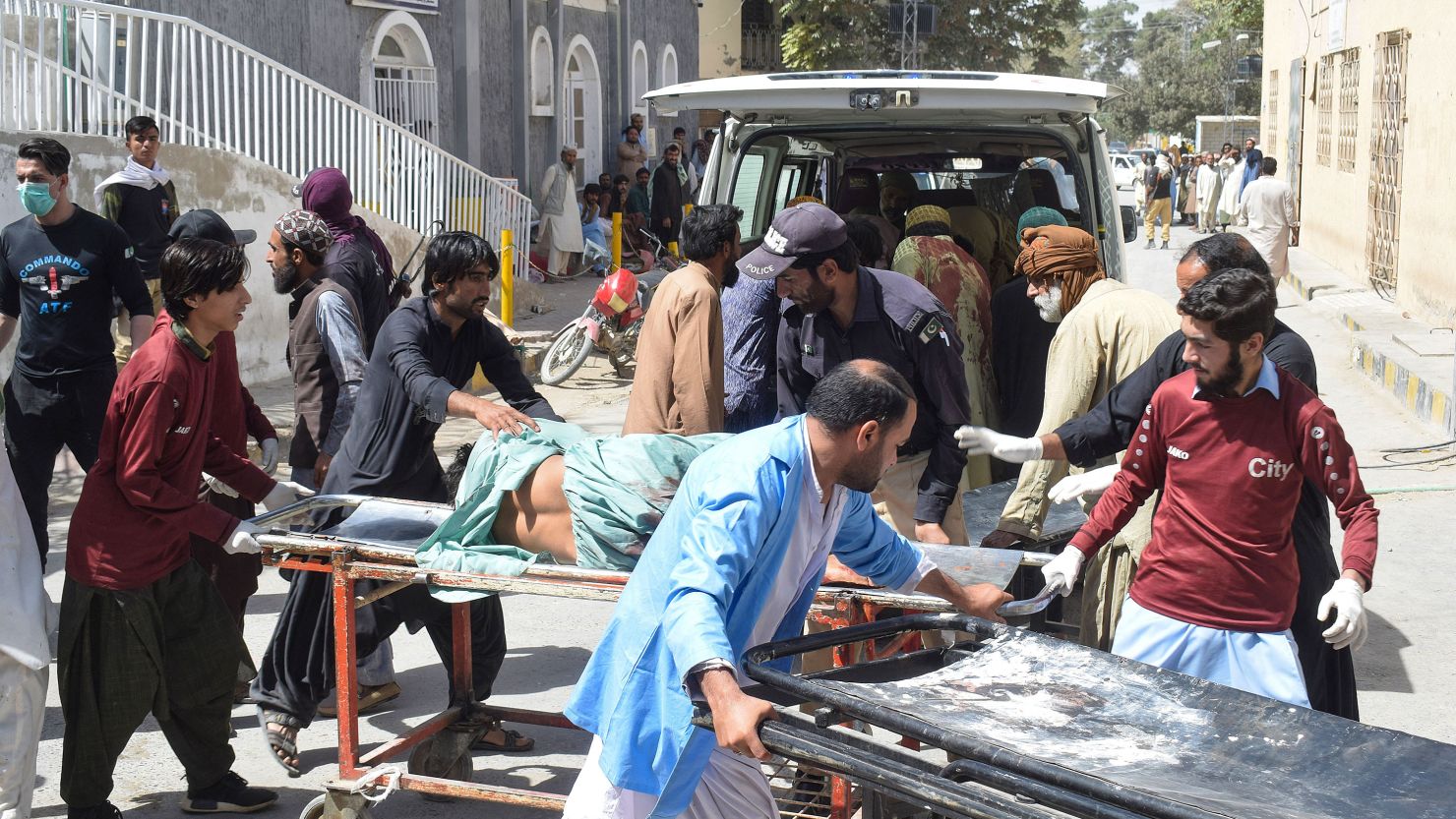
Mainstream media outlets have a formula. They find a victim—a 12-year-old boy—and a villain—a "Moscow-born gunman." They wrap it in a neat bow of senseless violence and serve it to you as "the latest news." It is lazy. It is inaccurate. More importantly, it hides the mechanical reality of modern urban warfare.
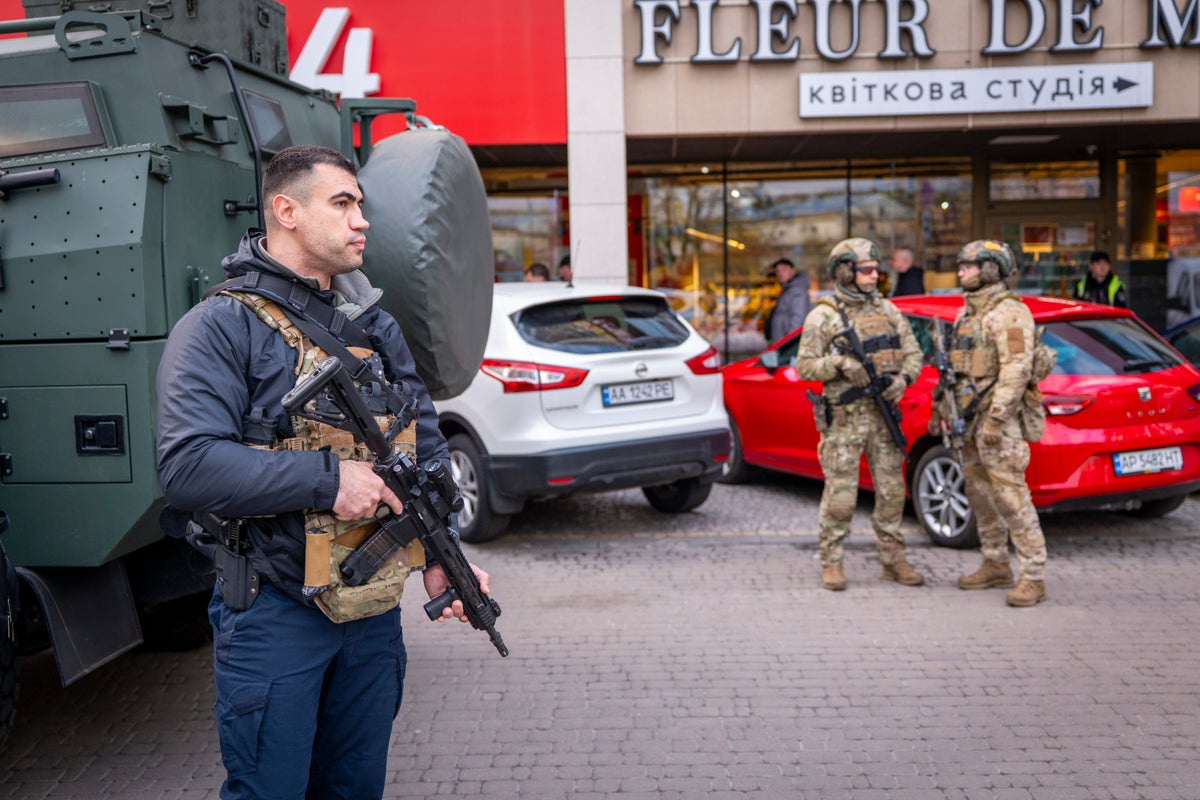
When you see a headline focusing on the birthplace of a shooter in a Kyiv supermarket, you are being fed a narrative meant to trigger an emotional response rather than an analytical understanding. The obsession with the individual’s identity is a distraction from the systemic failure of intelligence and the evolving nature of hybrid conflict.
We need to stop talking about "gunmen" as if they are isolated glitches in the system. They are the symptoms of a high-tech, low-visibility infiltration strategy that the current news cycle is too slow to grasp.
The Geography of Identity is a Distraction
The "Moscow-born" label is a classic piece of journalistic bait. It implies a direct, causal link between a person’s birthplace and their tactical actions decades later. This is a logic gap large enough to drive a T-72 through.
I have spent years watching analysts try to map out radicalization based on birth certificates. It doesn’t work. In a world of digital echo chambers and encrypted comms, physical origin is the least interesting thing about a combatant. By focusing on where the gunman was born, the media ignores how he was mobilized.
Was this a "sleeper" operative? A radicalized local? A victim of digital coercion? These are the questions that matter. The supermarket attack wasn't a random act of hate; it was a stress test for Kyiv’s domestic security. When the press focuses on the tragedy of the injured, they miss the tactical assessment being conducted by the observers on the other side of the line.
Your Data is Being Weaponized Against Your Safety
The "People Also Ask" sections of the internet are currently flooded with queries like "Is it safe to go to shops in Kyiv?" and "How did a gunman get into a supermarket?"
These questions are fundamentally flawed. They assume that safety is a binary state—that you are either safe or you aren't. In a modern conflict zone, safety is a sliding scale of risk management. The supermarket wasn't the target; the perception of normalcy was the target.
Modern warfare isn't just about taking ground. It’s about making the grocery run feel like a death sentence. By reporting these events as standard criminal acts, we fail to recognize them as psychological operations.
The real story isn't the gunman. It’s the breakdown of the digital perimeter. How did the signals go undetected? How did the logistics of the weapon transfer happen in a city under high-alert surveillance? If you want to understand the "why," look at the gaps in the facial recognition software and the blind spots in the transit authorities' data logs.
The Fallacy of the Lone Wolf
Every time a supermarket or a mall gets hit, the term "lone wolf" starts flying around. It’s a comfortable lie. It suggests that there is no organization to blame, just one broken person.
There are no lone wolves in a high-intensity conflict zone. There are only assets with varying degrees of support. Whether it's direct funding, provided intelligence, or just the algorithmic push of extremist content, every "gunman" is the tip of a very long spear.
I’ve seen intelligence agencies dump millions into "lone wolf" detection systems that fail because they look for individuals. They should be looking for patterns of movement and anomalies in communication networks. If a gunman gets into a supermarket in the heart of a capital city during a war, it is a failure of the network, not just a failure of the guards at the door.
The Mechanics of Infiltration
To understand how this happens, we have to look at the "Gray Zone." This is where the lines between civilian life and military targets blur into nothing.
- The Signal Phase: Potential assets are identified through data harvesting. They don't need to be professional spies; they just need to be vulnerable and in the right place.
- The Logistics Phase: Weapons don't just appear. They move through existing black markets that often overlap with "legitimate" shipping and delivery apps.
- The Execution Phase: The goal is maximum visibility with minimum resource expenditure. A supermarket attack costs almost nothing but generates weeks of international coverage.
Why "Breaking News" is Breaking Your Brain
The speed of the 24-hour news cycle is the greatest ally of the insurgent. When an attack happens, the rush to be first means that context is the first casualty.
You get the body count. You get the name of the shooter. You get a quote from a terrified witness. You get zero analysis of the operational failure.
We are obsessed with the what and the who, but we have completely abandoned the how. How does a high-security city allow a gunman to reach a crowded public space? If we don't answer that, the birthplaces of the shooters will continue to be irrelevant trivia in a mounting pile of casualties.
The Hard Truth About Urban Security
The contrarian reality is that you cannot protect every supermarket. Any security expert who tells you otherwise is selling you a subscription or a lie.
The move toward "Total Security" is a fool's errand that actually increases the impact of these attacks. When you turn a city into a fortress, the one person who slips through the cracks causes a disproportionate amount of terror.
The focus shouldn't be on hardening every single door. It should be on the resilience of the response and the transparency of the failure. We need to know why the sensors didn't trip. We need to know who facilitated the movement of the hardware.
We don't need more "Moscow-born" labels. We need a post-mortem on the surveillance state that promised to keep us safe and failed.
The Problem with Sentiment-Driven Reporting
When articles lead with the injury of a child, they aren't informing you; they are manipulating you. Yes, it is a tragedy. But in the context of a war, tragedy is the baseline.
Using a 12-year-old as a shield against hard questions is a tactic used by both the perpetrators and the press. It prevents us from asking:
- What was the response time of the rapid-intervention teams?
- Was the shooter's weapon sourced from an internal or external black market?
- Did the shooter utilize the "blind spots" known to local law enforcement?
If you want to actually honor the victims, stop treating their trauma as a headline and start demanding an audit of the security protocols that were supposed to prevent this.
The Future of the Conflict is Small and Violent
The war in Ukraine is often discussed in terms of front lines, tanks, and artillery. This is a 20th-century view of a 21st-century problem.
As the front lines stabilize or grind into a stalemate, the conflict will increasingly move into the supermarkets, the train stations, and the cafes of the interior. This isn't "terrorism" in the way we understood it in the early 2000s. This is distributed warfare.
It is cheap. It is effective. It is nearly impossible to stop with traditional military force.
The competitor article wants you to feel sad. I want you to feel skeptical. The gunman's birthplace is a footnote. The real story is the evolution of a war that has found its way into the checkout line, and the fact that our leaders—and our media—are still looking for 1940s solutions to a 2026 reality.
Stop waiting for the "Latest Update" to tell you the truth. The truth isn't in the casualty list; it's in the systemic gaps that let the gunman in.
Burn the script. Watch the network, not the actor.