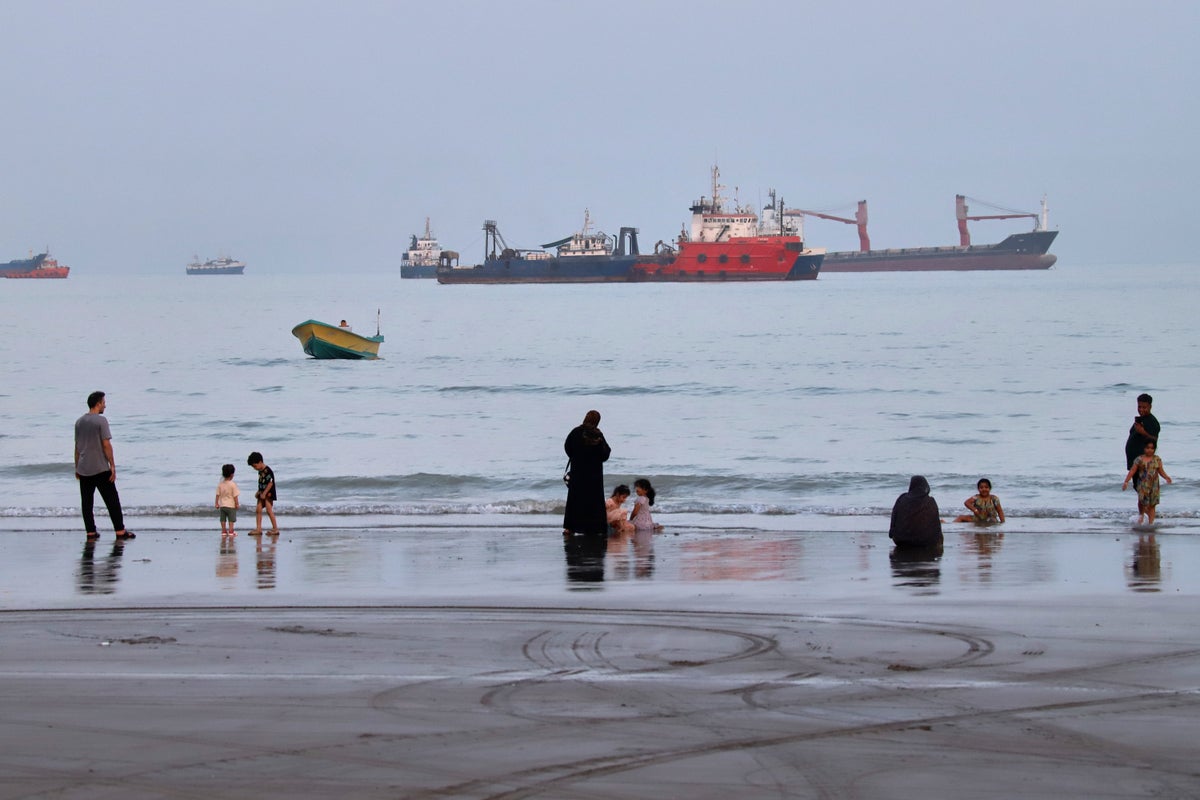
Salt air tastes different when it carries the weight of a million unseen ships.
Stand on the deck of an oil tanker idling just outside the Persian Gulf, and the horizon looks peaceful enough. Blue water meets a scorching sky. Gulls wheel overhead. But look down at the navigation screens, look out at the radar blips clustering like nervous insects, and you feel the invisible electric current running through the water. Everyone is waiting. Everyone is watching a single watery throat in the earth where the map pinches tight.
That throat is the Strait of Hormuz.
About twenty-one miles wide at its narrowest point, this passage is the carotid artery of global energy. Every single day, a staggering share of the world's petroleum output moves through these shipping lanes, squeezed into designated two-mile-wide corridors to avoid Iranian and Omani territorial waters. It is a watery bottleneck. A single misstep here does not just ripple through local markets; it hits the gas pump in Nebraska, the heating bill in Berlin, the cargo shipping schedules in Singapore.
And right now, that gate is jammed shut from the inside.
Tehran has drawn a hard line in the salt and the spray. The message delivered through diplomatic channels is absolute: the Strait stays closed until the United States satisfies a strict list of six demands. No exceptions. No temporary waivers.
To understand why this matters, you have to forget the dry spreadsheets of international trade for a moment. You have to imagine Captain Elena Vance.
Elena is fictional, yes, but she represents the human pulse behind every headline. She is thirty-eight years old, commands a massive liquefied natural gas carrier, and has spent two decades learning the capricious moods of the world's most volatile waterways. When she hears that diplomatic talks have collapsed and the strait is locked down, her stomach drops. She isn't thinking about geopolitics. She is thinking about her crew of twenty-two souls, the food stores running low after weeks of waiting in limbo, and the sheer insurance nightmare of navigating waters where military patrols outnumber commercial vessels.
"We wait," she tells her first mate over crackling radio static.
Waiting is expensive. Waiting is terrifying. Yet thousands of miles away, in air-conditioned conference rooms, policymakers debate the standoff with the clinical detachment of chess players moving wooden pieces. They talk about sanctions, regional deterrence, and naval escorts. They speak in acronyms.
Meanwhile, the economic shockwaves are already moving outward in concentric circles.
Consider what happens next in ordinary towns far from the Middle East. When tanker traffic halts, crude inventories begin to dry up within days. Refineries slow down. Jet fuel prices spike. Airlines add fuel surcharges that turn family vacations into luxury expenses. Trucking companies pass the cost of diesel down to grocery stores, making an apple or a loaf of bread noticeably more expensive by Tuesday morning.
This is the hidden cost of geopolitical brinkmanship. It reaches into your kitchen. It taxes your daily life.
The six demands laid down by Tehran are complex, tangled in decades of historical grievances, nuclear policy debates, and regional proxy conflicts. They involve unfreezing financial assets, lifting sweeping economic embargoes, and halting perceived military encirclement. To American and allied negotiators, meeting these demands under direct duress feels like capitulation. To Iranian leadership, maintaining the closure is viewed as a necessary lever of ultimate leverage against overwhelming economic pressure.
Stalemate.
History teaches us that narrow maritime checkpoints are history's favorite flashpoints. From the Bosporus to the Malacca Strait, empires have risen and fallen on their ability to control who passes and who pays. Hormuz is no exception. It has been threatened, mined, and fought over for generations. Yet in our modern interconnected era, the consequences of a prolonged closure are uniquely catastrophic because our global supply chains are optimized for speed and efficiency, not resilience. We have eliminated the buffer zones.
When you remove the buffers, a single political deadlock becomes a global emergency.
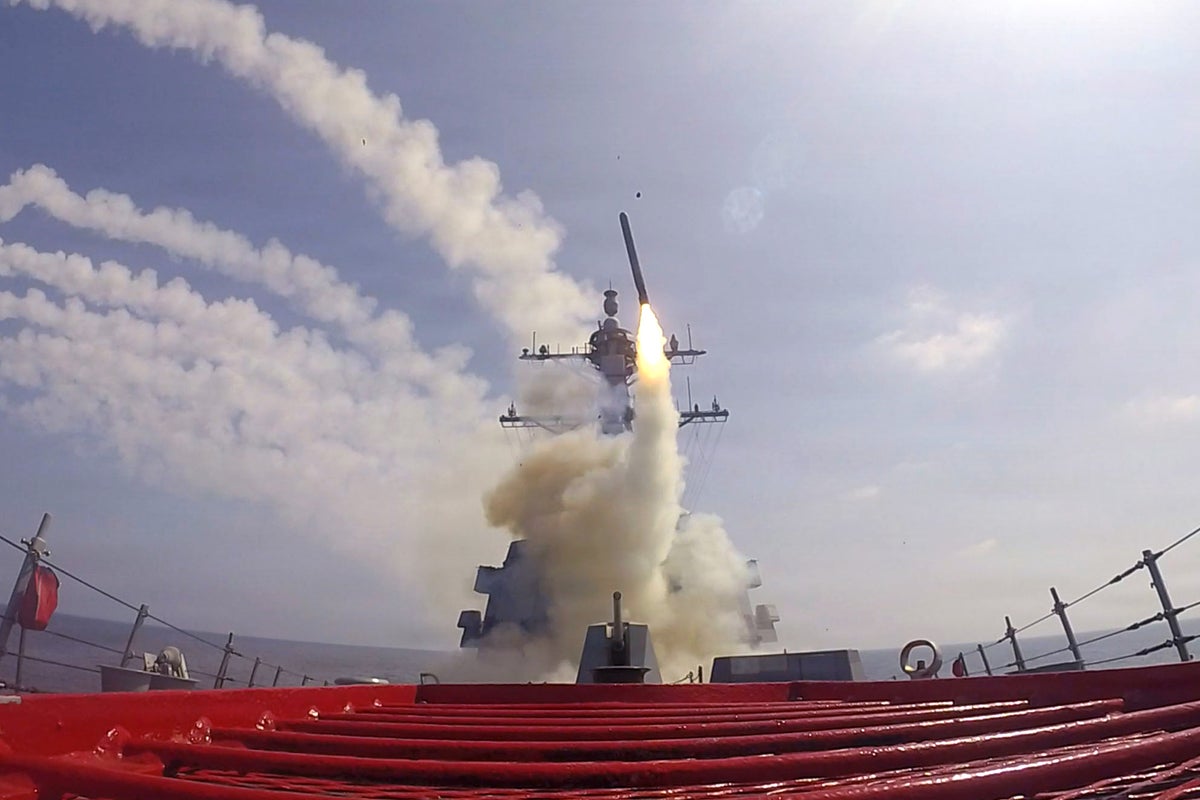
Back on the deck of Elena’s ship, the sun dips below the horizon, painting the oil-slicked water in bruised shades of purple and gold. In the distance, the silhouette of a gray-hulled warship cuts silently across the swells, its lights dark, its crew at battle stations.
The water is quiet. The air is still. But the entire planet is leaning in, waiting to see who blinks first in the narrowest passage on Earth.