Salt air tastes different when tankers sit idle.
Out on the water, the horizon is choked with steel. Massive cargo vessels, their hulls riding high in the Gulf because their holds are empty or waiting, stretch in lines that vanish into the shimmering heat. They are floating cities carrying oil, electronics, grain, and the raw fuel of modern life. Yet they are frozen. Anchored in place not by mechanical failure, but by a choke point barely twenty-one miles wide at its narrowest point. Also making news lately: Inside the Durban Massacre That Left a South African Community Shattered.
The Strait of Hormuz.
If you have never stood on the deck of a ship looking across these waters, it is difficult to grasp how fragile global supply chains truly are. You look across the blue expanse and think of the infinite ocean. But shipping does not move through an infinite ocean. It moves through invisible lanes, narrow corridors drawn on navigational charts like tight mountain passes. When someone draws a line across that pass and says stop, the world listens. More insights on this are explored by NBC News.
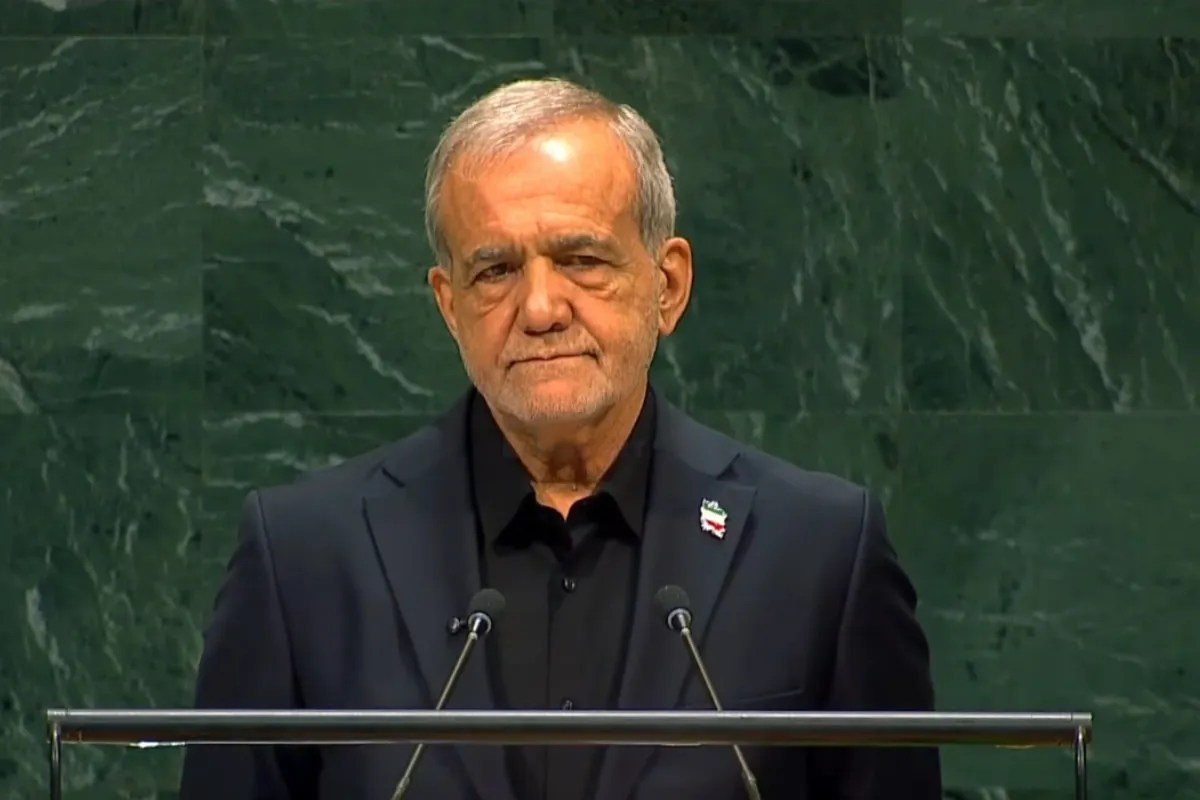
Recently, quiet diplomacy tried to push past the noise. Iranian Foreign Minister Abbas Araghchi and US Envoy Steve Witkoff found themselves circling each other in the diplomatic dance that defines modern geopolitics. The talks were not about friendship. They were about conditions, leverage, and the reopening of a maritime artery that pumps millions of barrels of crude oil daily.
Consider the fisherman in a small wooden hull three miles off the Iranian coast. He does not care about high-level envoys or diplomatic communiqués. He cares about whether naval patrols will wave him past or order him back to port. He cares about the price of diesel for his outboard motor. To him, the Strait is home, livelihood, and danger all wrapped into one.
To the rest of us, thousands of miles away, the Strait is an abstract line on a morning news broadcast. A ticker tape at the bottom of the screen. A percentage point on inflation reports.
We forget that every gallon of gas in our cars, every plastic container on our supermarket shelves, and every manufactured component coming out of Asian factories passes through the psychological weather created in places like this. When tensions rise in Hormuz, shipping insurance spikes in London. When insurance spikes, grocery prices climb in Chicago. Everything is connected by an invisible thread of salt water and diplomacy.
The core of the recent discussions hinges on conditions. Tehran sets its terms; Washington weighs its response. It is a game of high-stakes poker played with real ships and real lives. But beneath the diplomatic maneuvering lies a simple, stubborn reality. Neither side wants a catastrophic closure that would devastate global markets and trigger a wider conflict. Both sides know that a closed Strait is a loaded weapon pointed at everyone's foot.
History teaches us that narrow waters are historical flashpoints. From the Bosporus to Malacca, geography dictates destiny. When empires clash, they do so where the water narrows.
We sat across from our own anxieties during past crises, watching oil prices jump overnight, wondering how long reserves would last. That lingering uncertainty is the true export of the Strait. It is not just oil that moves through these waters; it is anxiety.
And yet, life on the water persists. Dolphins still break the surface near waiting tankers. Gulls wheel overhead, indifferent to the communiqués being drafted in air-conditioned conference rooms.
The diplomats will talk. The envoys will fly home. Conditions will be met, or they will not. But the water remains, deep and indifferent, carrying the weight of a world that refuses to slow down until it is forced to stop.
When the final word is spoken and the anchors finally rise, the tankers will move again in single file, inching through the blue. Until then, we wait. And the water holds its breath.