Maritime traffic through the Strait of Hormuz faces unprecedented dangers as regional conflicts turn the world's most critical energy transit corridor into a high-risk zone. When a liquefied petroleum gas (LPG) carrier and other massive commercial vessels take hits from naval mines, the fallout extends far beyond local waters. Global energy supplies hang in the balance, and shipping companies are forced to make high-stakes decisions about every single voyage.
The Reality of Restricted Waterways
Iran's Islamic Revolutionary Guard Corps (IRGC) has repeatedly made it clear that vessels cannot simply cruise through the Persian Gulf on autopilot. According to military officials in Tehran, commercial ships opting to bypass official channels or utilizing unauthorized routes south of the strait are stepping straight into restricted zones.
The friction usually spikes when tankers attempt to sail through undetected. Turning off automatic identification systems and marine radar to slip past checkpoints might seem like a clever workaround for frantic operators trying to maintain tight schedules. In practice, it makes ships nearly invisible to local traffic control while placing them directly in the path of deployed naval mines and active military zones.
Why the Strait Matters So Much
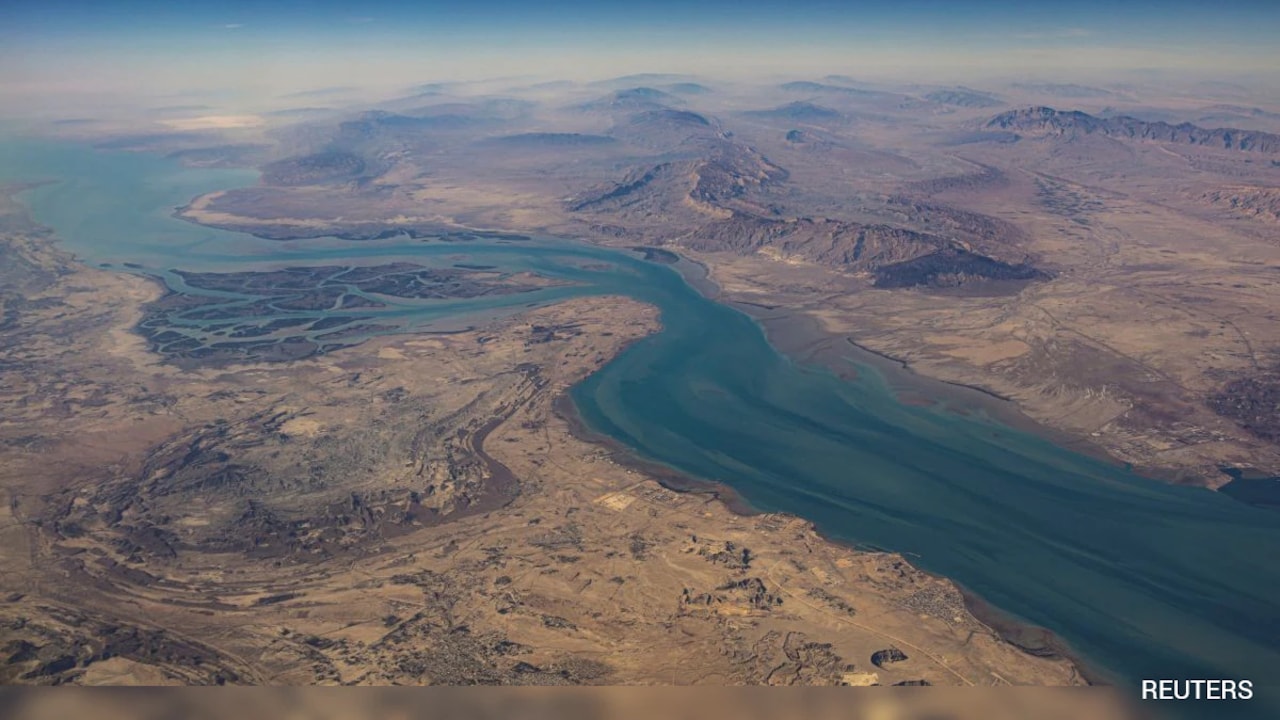
You can't talk about global energy without looking at the sheer volume of fuel moving through this narrow maritime bottleneck. Historically, roughly a quarter of all seaborne oil trade and a massive share of global liquefied natural gas pass right past these shores.
When security breaks down, insurance premiums skyrocket overnight. Tanker operators face an impossible choice. Pay exorbitant insurance rates for heavily escorted convoys, or take unauthorized risks to save time and money. Every explosion or vessel fire sends immediate shockwaves through international markets, driving up fuel prices and disrupting supply chains across continents.
The Tech and Tactics Behind the Blockade
Modern maritime security relies heavily on transponders, radar visibility, and open communication channels. Right now, those tools are being weaponized or disabled. Iranian naval commands regularly issue stern warnings against extra-regional military presence and unauthorized commercial routing. Meanwhile, naval forces from opposing coalitions attempt to secure transit lanes, creating a crowded and volatile environment where miscalculation leads directly to disaster.
Operating in these waters requires adhering strictly to established maritime protocols rather than gambling on blind luck. Commercial shipping lines are learning the hard way that ignoring regional authorities or turning off tracking gear doesn't guarantee safe passage—it just invites catastrophe.
The crisis in the Persian Gulf shows no sign of cooling down. Until a stable diplomatic framework or reliable security arrangement emerges for the entire corridor, navigating the Strait of Hormuz remains a dangerous game where one wrong turn can cost millions of dollars and human lives.