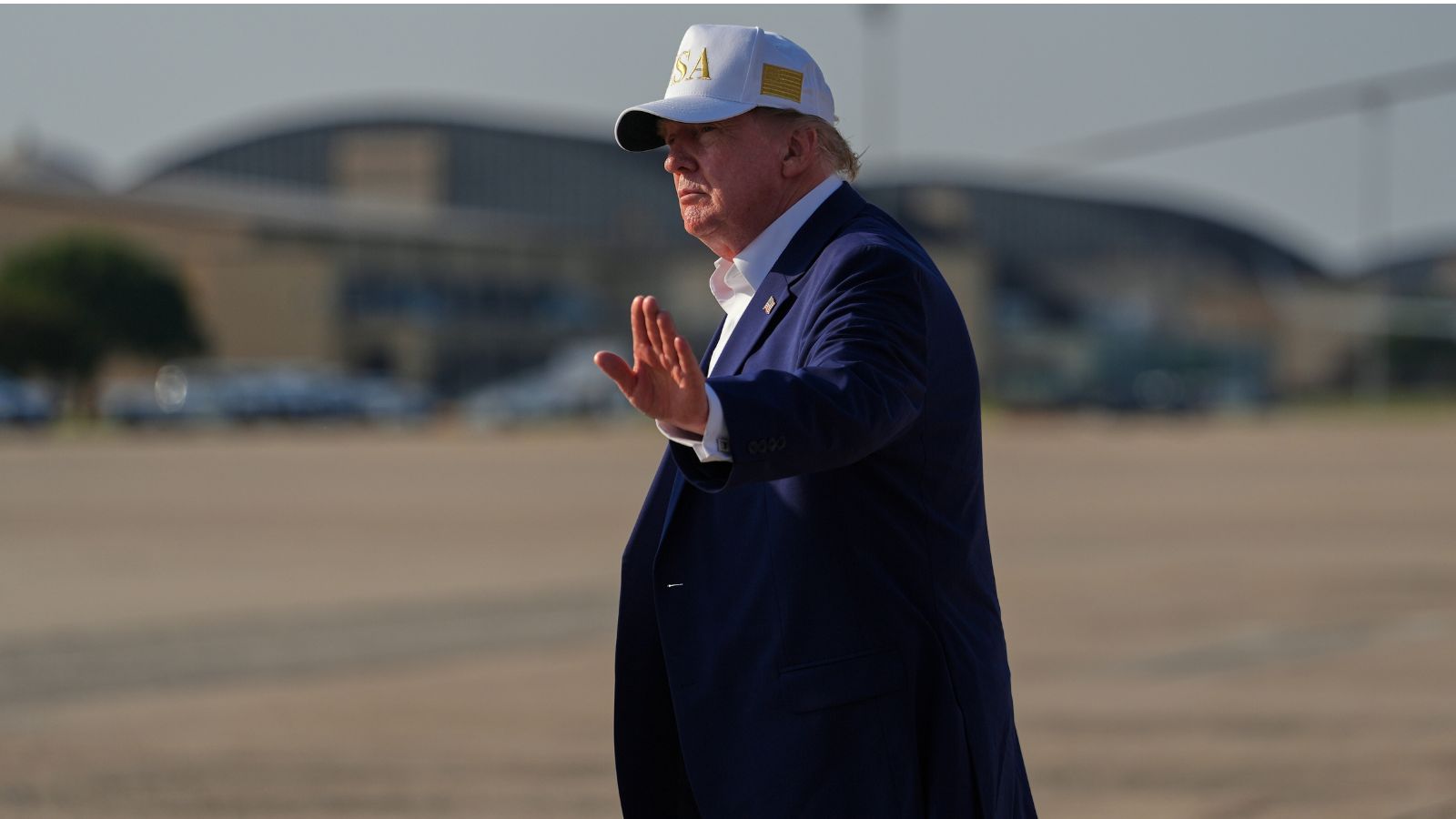
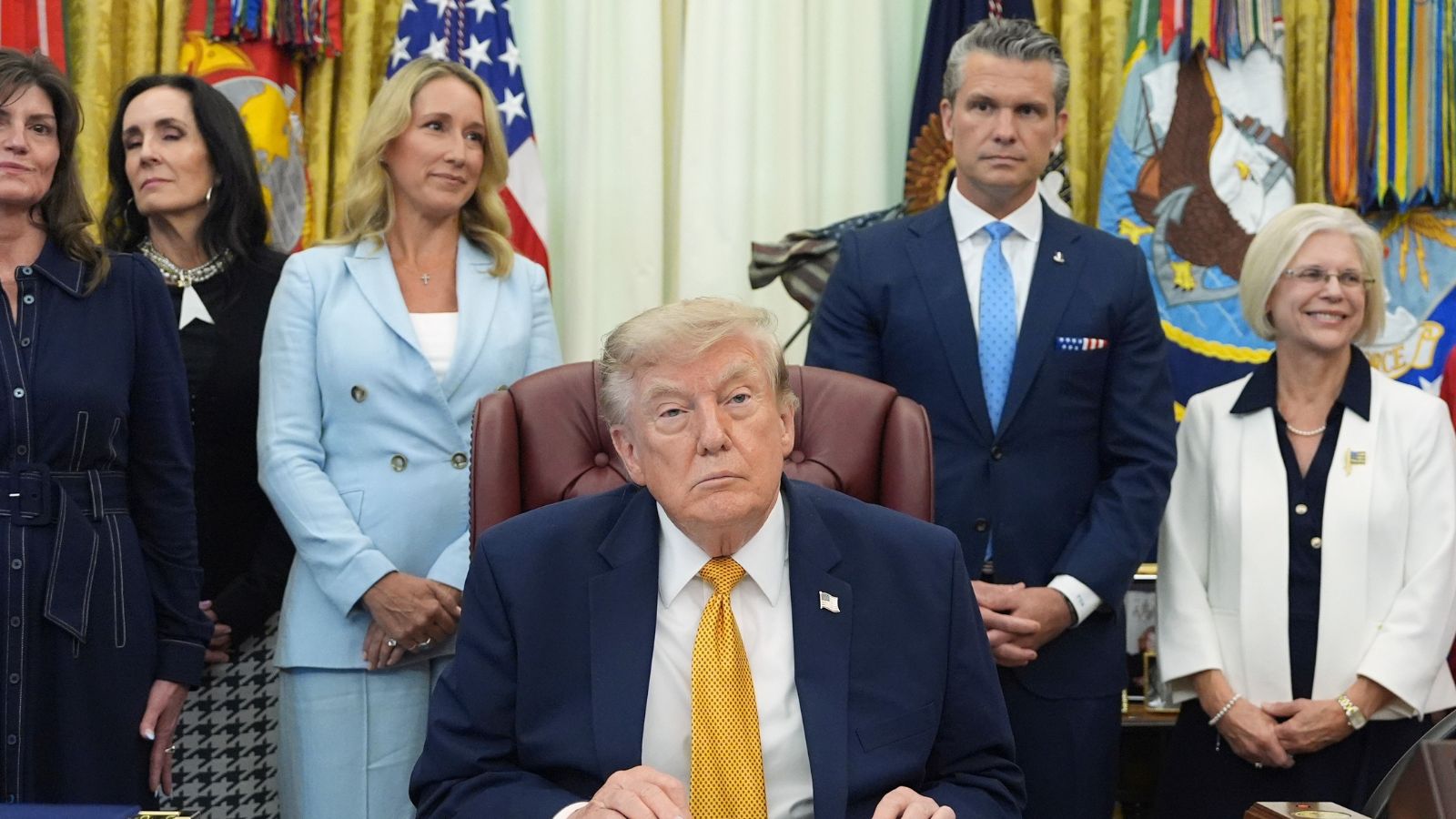
Benjamin Netanyahu just publicly slammed the door on a U.S.-backed proposal for Gaza, proving that even closest allies can completely lock horns when national security strategies clash.
If you are trying to track why Middle Eastern diplomacy is fracturing right now, you need to look past the talking points. The core issue is simple. Prime Minister Benjamin Netanyahu told his Cabinet that Israel rejects the 15-point document pushed by President Donald Trump. He made it crystal clear. Israeli forces won't budge an inch from the Palestinian enclave until Hamas is fully and genuinely disarmed.
The Disarmament Clash in Gaza
Trump rolled out the 15-point plan last month through the Board of Peace. The framework promised a staged Israeli military withdrawal tied directly to Hamas giving up its arsenal.
It sounded neat on paper. In reality, it fell apart on arrival.
Netanyahu isn't buying a parallel timeline. His stance is straightforward:
- Heavy weaponry must go.
- Lighter weaponry must go.
- Every single weapon must disappear before troops pull back.
Meanwhile, Hamas maintains its own position. Officials from the group insist that Israel must halt its military campaign and respect prior agreements first. With Israeli forces still controlling over half of the devastated strip, trust is basically non-existent. Netanyahu even threw in a hardline domestic promise during his address, stating that a Palestinian state will not be established on his watch.
The Strait of Hormuz Standoff and Regional Pressure
While the diplomatic war over Gaza plays out, maritime routes are turning into a massive choke point. Iran and Oman are quietly working on a temporary management deal for the Strait of Hormuz.
Tehran's supreme council has laid down harsh terms for reopening the crucial shipping lane. They want a permanent end to hostilities, the withdrawal of U.S. forces, and full compensation for war damages. At the same time, regional security is taking direct hits elsewhere. Iranian-backed Houthi rebels in Yemen just launched missile and drone strikes against the government-held port city of Mocha and an Aramco facility in Jazan. These attacks killed several people and heavily damaged local infrastructure.
The 2022 truce in Yemen is hanging by a very thin thread. Global shipping companies are panicking. Energy markets are reacting instantly to every escalation.
What Happens Next on the Ground
You are watching a system stretched to its absolute limit. Domestic pressures are compounding every geopolitical misstep. Netanyahu faces crucial elections on October 27, and his political survival depends on projecting unyielding strength to his base.
Washington has largely kept quiet following the rejection, leaving mediators scrambling to salvage whatever credibility is left in the roadmap. If you want to understand where this goes next, stop looking at press releases. Watch the borders, monitor the shipping lanes, and keep an eye on domestic polling numbers in Tel Aviv. The standoff is only heating up.