Everybody loves talking about BRICS as an unstoppable anti-Western juggernaut. They look at the expanding map, crunch the population numbers, and assume a brand-new global financial order is right around the corner. But when you strip away the grand rhetoric and look at what actually happens in closed-door diplomatic rooms, reality hits hard. India's hosting of the 18th BRICS Leaders' Summit at Bharat Mandapam in New Delhi brings these tensions right out into the open.
You need to understand what this bloc is actually trying to achieve, where it completely falls apart, and why New Delhi's chairship faces an uphill battle to keep everyone at the table.
The Real Agenda Behind the New Delhi Meetings
The official branding talks about resilience, innovation, and sustainable cooperation. Sounds nice on a glossy brochure. Behind the scenes, India has driven a very specific economic-governance playbook during its chairship. With over 350 meetings held across 25 cities leading up to the main event, New Delhi has pushed hard on practical deliverables.
We are talking about making trade easier through local currencies, expanding MSME financing, connecting digital payment rails, and securing resilient supply chains. The group represents roughly 45% of the world's population and around 40% of global GDP measured at purchasing power parity. Those numbers give the platform real weight.
Developing nations want alternatives to Western-dominated institutions that haven't adapted to 21st-century realities. Prime Minister Narendra Modi has repeatedly emphasized that twentieth-century global governance structures lack the capacity to handle modern crises. That message resonates deeply across the Global South. But translating shared frustration into a cohesive policy framework is where things get messy.
Where Consensus Breaks Down
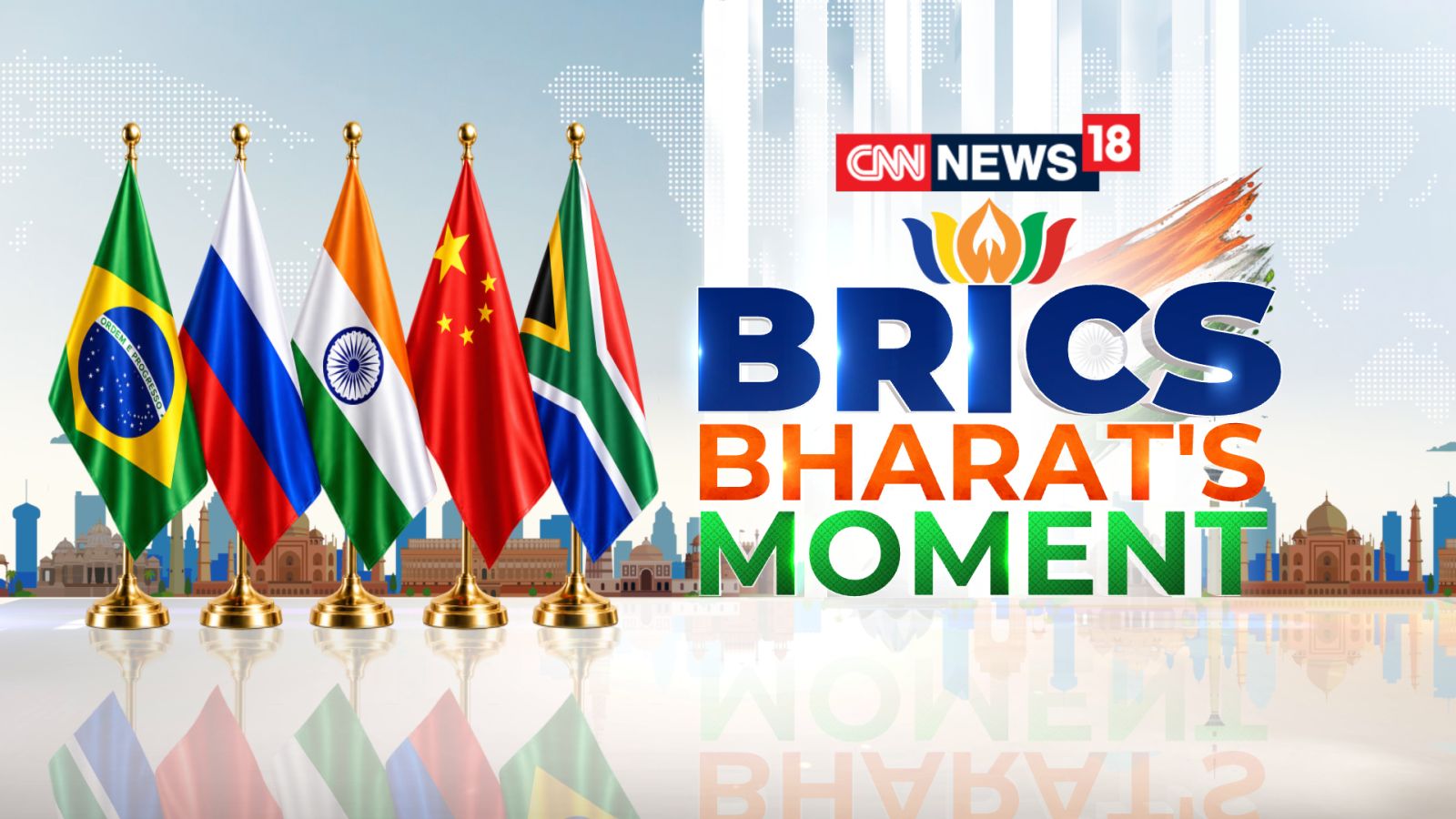
Expansion sounds great on paper, but adding new members changes the math entirely. The bloc now includes eleven full members—Brazil, Russia, India, China, South Africa, Egypt, Ethiopia, Iran, Indonesia, Saudi Arabia, and the United Arab Emirates. Bringing in heavyweights with wildly different foreign-policy priorities guarantees friction.
Look at what happened during the foreign ministers' meeting in New Delhi. The eleven member states couldn't even agree on a standard joint declaration. Instead of a unified text, India had to issue a Chair's Statement carrying footnoted reservations and open acknowledgments of deep divisions over West Asia.
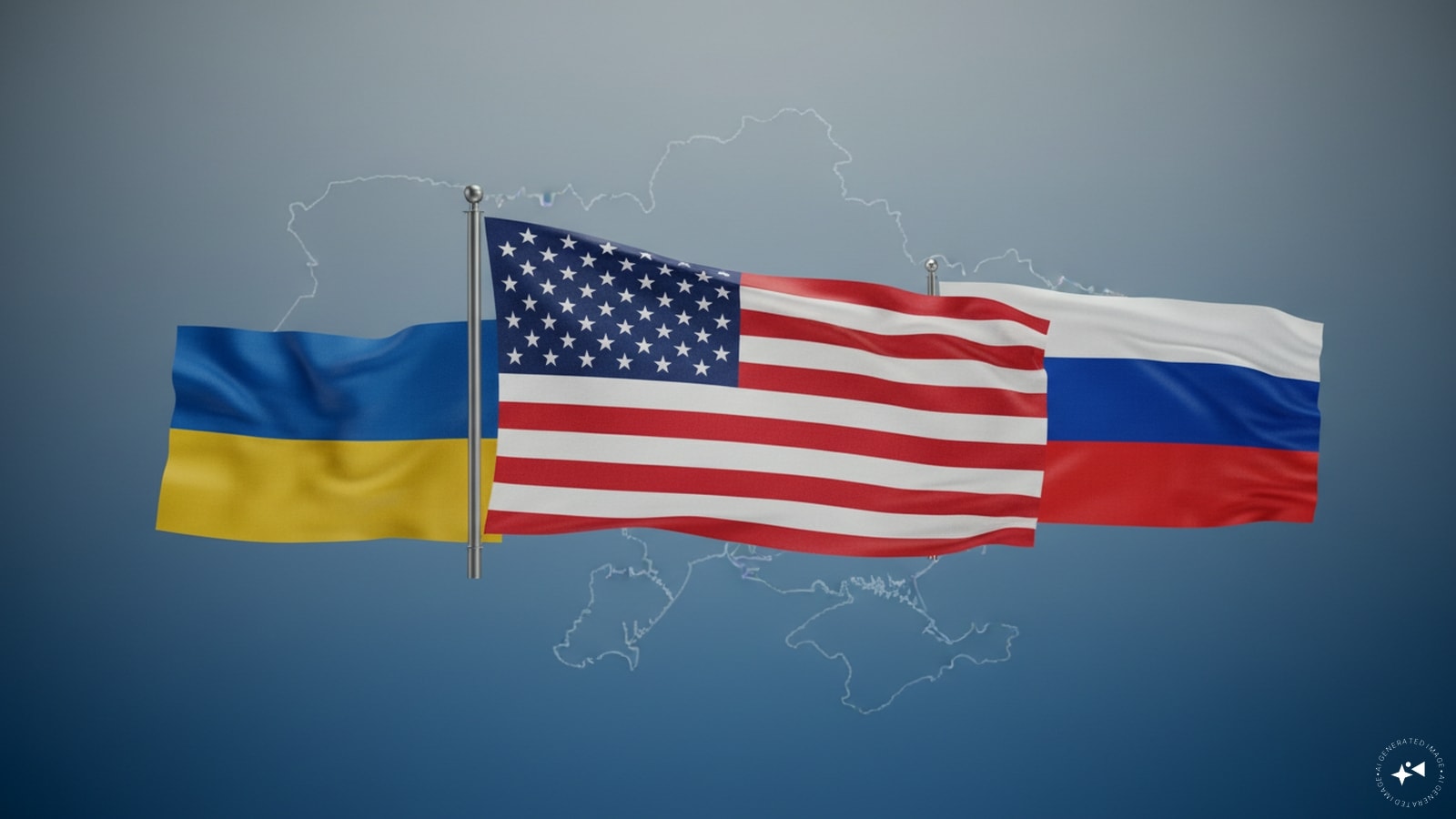
The ongoing conflicts involving Iran, Israel, and Gulf states expose an uncomfortable truth. Iran wants BRICS to act as a direct political counterweight to Washington and Western pressure. Meanwhile, the UAE and other regional players care far more about immediate maritime security, stable energy flows, and avoiding economic disruption. When two member states have fundamentally conflicting security interests, a single unified voice becomes impossible.
The Balancing Act for New Delhi
For India, managing this friction is a high-stakes diplomatic tightrope walk. New Delhi maintains vital strategic partnerships with the United States and Europe while simultaneously sitting down with Russia and China inside BRICS.
Energy security makes this even more urgent. Disruptions in the Strait of Hormuz and persistently high oil prices put immense pressure on India's foreign-exchange reserves and domestic inflation. India cannot afford a fractured bloc that ignores real-world economic shocks. That is precisely why New Delhi keeps steering the conversation away from toxic geopolitical flashpoints and back toward pragmatic economic cooperation.
Unlike military alliances such as NATO, BRICS has zero formal mechanisms for crisis management or dispute resolution. It is fundamentally a flexible diplomatic vehicle where diverse nations pursue parallel interests. Expecting it to behave like a monolithic bloc is a rookie mistake.
What to Watch Next
Success in New Delhi won't be measured by whether every single nation agrees on every global conflict. That's an impossible standard. Instead, watch whether the summit can deliver concrete backing for digital public infrastructure, energy storage initiatives, and cross-border trade settlements.
If the bloc can manage its internal rivalries and focus on economic resilience, it will prove its long-term utility. If it gets bogged down by irreconcilable political posturing, it risks becoming an expensive talk shop. Skip the utopian hype and watch the trade and financial frameworks instead. That is where the true test of BRICS lies.