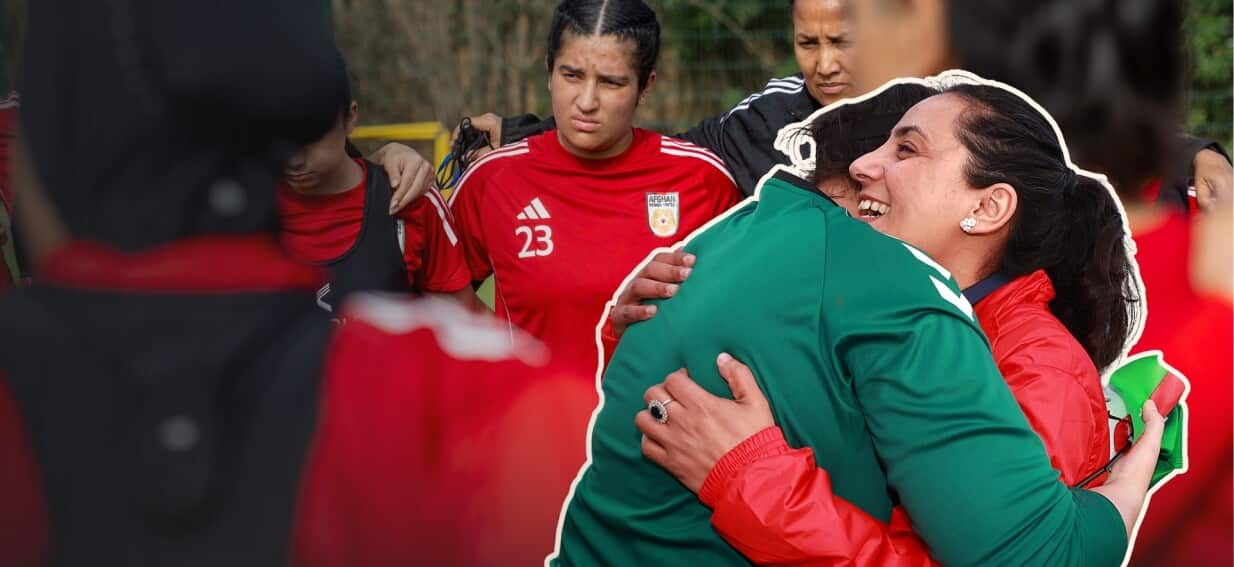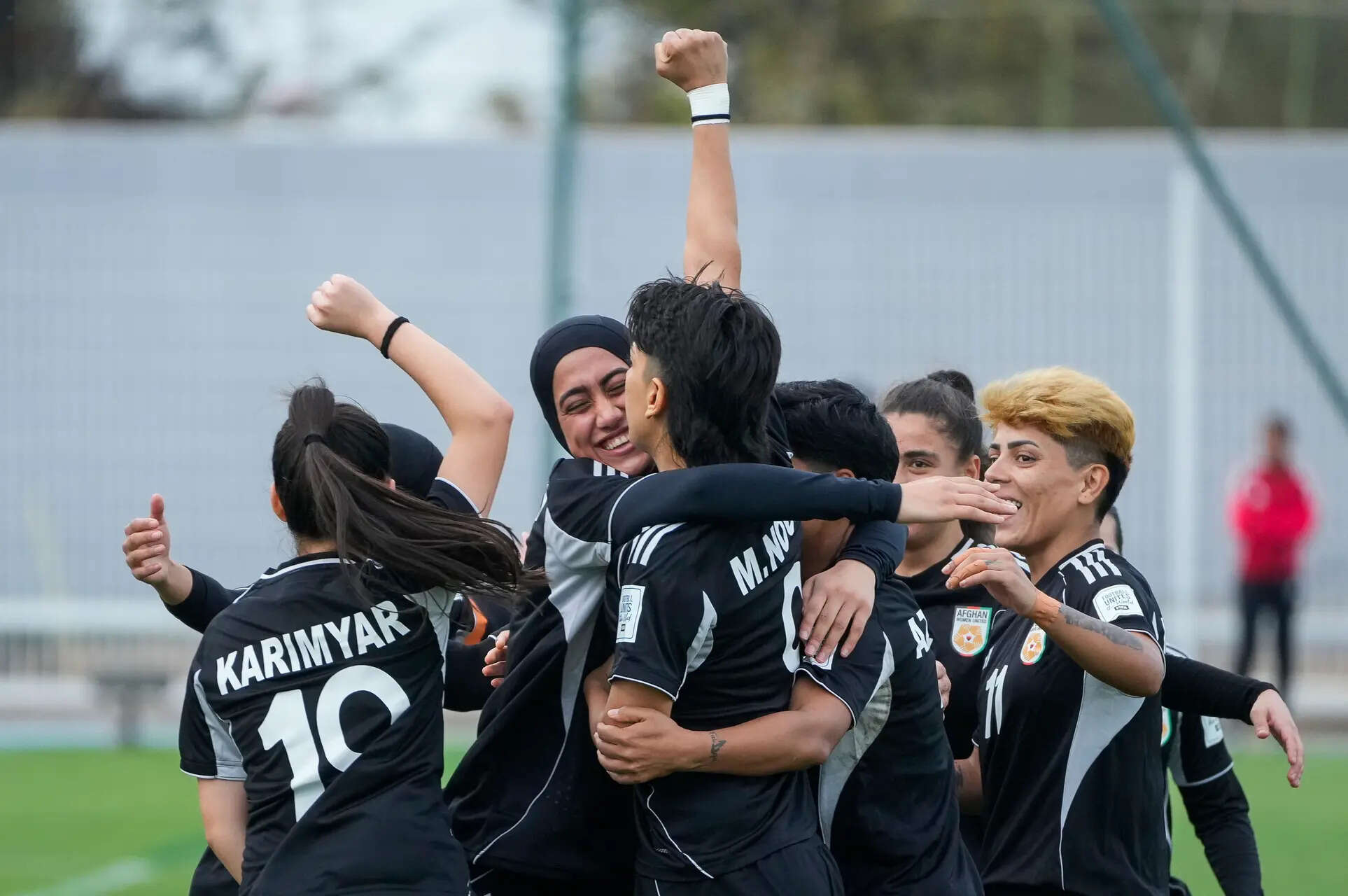
FIFA finally stopped waiting for the Taliban's permission. It took five years of exile, constant lobbying, and a lot of empty promises, but the governing body of world football just made a move that actually carries weight. On April 29, 2026, the FIFA Council in Vancouver approved a rule change that lets the Afghan women’s national team play official international matches again. They don't need the Afghan Football Federation—currently a puppet of the Taliban—to sign off on it anymore.
This isn't just about a few soccer games. It’s a massive middle finger to a regime that tried to delete women from public life. Since 2021, the Taliban has banned women from sports, schools, and even parks. By recognizing this team in exile, FIFA is saying that the identity of a nation doesn't belong to the men with the guns. It belongs to the people who represent it, even if they’re scattered across Australia, the UK, and Portugal.
Closing the loophole that protected the Taliban
For years, FIFA hid behind its own rulebook. The old regulations said a national team could only be registered by its official member association. Because the Taliban-controlled federation in Kabul obviously wasn't going to register a women’s team, the players were stuck. They were essentially stateless on the pitch. They played friendlies as "Afghan Women United," but those matches didn't count for rankings or official tournaments.
The new amendment is a sharp pivot. FIFA now has the authority to register a team when the home association is "unable or unwilling" to do so. It sounds like boring legal jargon, but it’s the key that unlocks the door for these women to chase the 2028 Olympics in Los Angeles. They missed the boat for the 2027 World Cup, but the path to LA is now wide open.
The activist team that wouldn't quit
Khalida Popal, the former captain and a massive force behind this movement, calls this a "rebirth of hope." She's right. Most people don't realize how much these players sacrificed. They didn't just leave their homes; they left their careers and identities. Many were evacuated in 2021 during that chaotic pullout from Kabul, fearing for their lives because they dared to play a "Western" sport.
The team has been training in pods. Some are in Melbourne, others in London. They’ve been living parallel lives as refugees and elite athletes. This ruling validates that double existence. It tells the players that their years of training in local parks and community centers actually meant something. They aren't just "refugee players" anymore. They are the Afghanistan National Team.
What this means for the players on the ground
Let’s be real: this doesn't change the daily hell for women still inside Afghanistan. They still can't go to school or play sports. But as player Nazia Ali put it, wearing the flag officially again is a symbol. It’s a reminder to the girls back home that they haven't been forgotten. The Taliban can control the soil, but they can't control the representation of the country on the global stage.
A new precedent for global sports
This decision puts every other sports organization on notice. The International Olympic Committee (IOC) has been notoriously slow on this front, often hiding behind "political neutrality." FIFA, an organization not exactly known for its moral compass, has managed to set a standard here. If a government systemically excludes a group based on gender, the international community can simply bypass that government.
It’s a model for how to handle discrimination in sports. We might see similar moves for other displaced groups or athletes from nations in total collapse. It’s about time the "right to play" became more than a catchy slogan in a brochure.
What happens next for the team
The June international window is the next big milestone. The team is expected to play a couple of exhibition matches under their official status. FIFA is currently vetting opponents and sites. If you’re looking to support them, keep an eye on these developments.
- Follow the journey: Watch for the June international friendly announcements.
- Support the infrastructure: Organizations like Girl Power and the Sport & Rights Alliance are the ones doing the heavy lifting for player welfare.
- Demand more from the IOC: FIFA moved first, but the Olympics are the next goal. Pressure on the IOC to follow this recognition model is the next logical step for fans and activists alike.
The scoreboard might show goals and assists, but the real win is the fact that these women are getting their names back on the roster. They've been playing in the shadows for five years. It's time to turn the lights on.