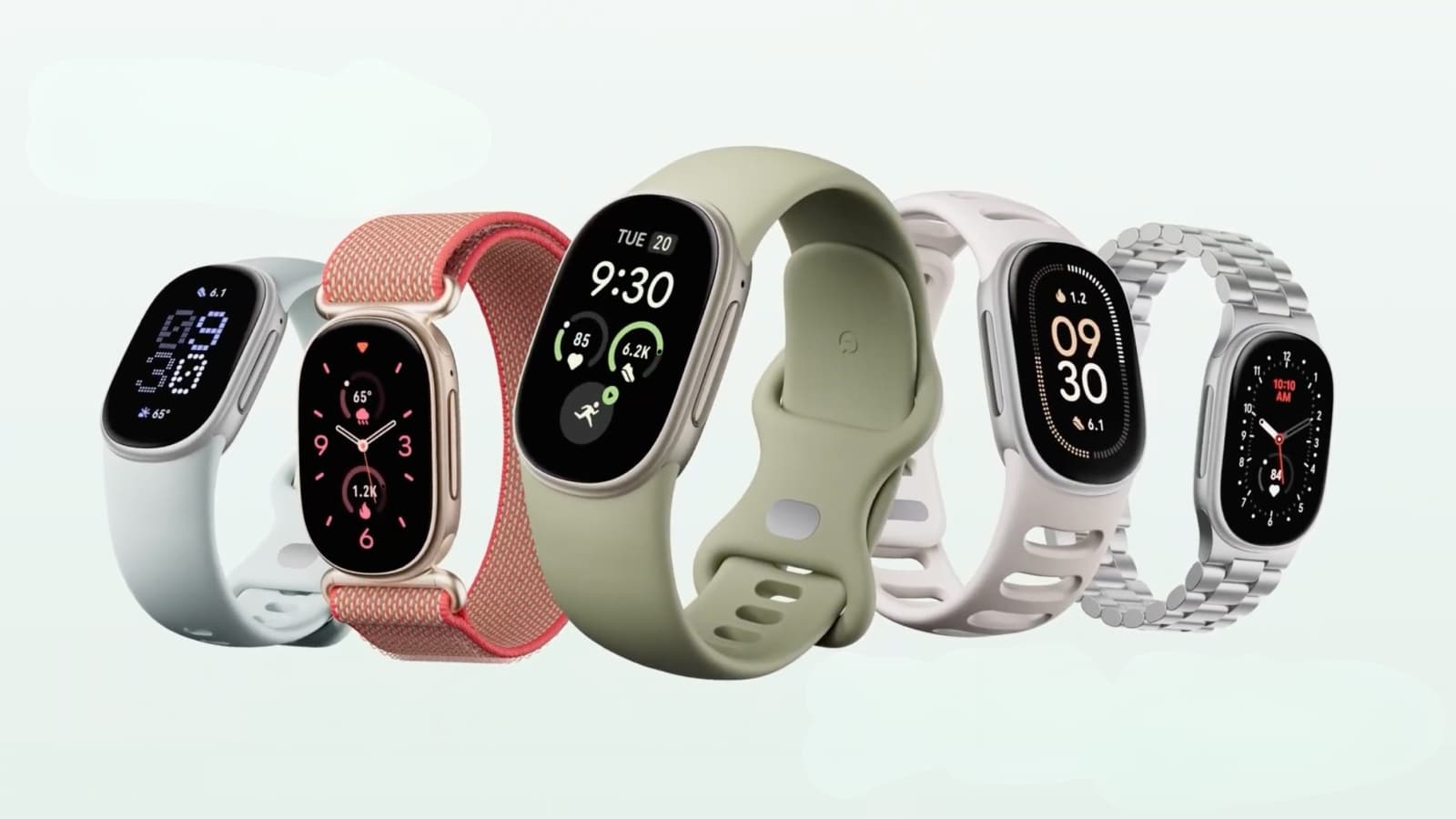
The consumer tech press is hyperventilating over Google’s latest hardware drop. The pitch sounds like a biometric utopia: an $180 device strapped to your wrist that allegedly tracks insulin resistance trends without drawing a single drop of blood, paired with a seven-day battery and an AI coach powered by Gemini. Tech journalists are falling over themselves to praise the democratization of metabolic health.
They are missing the plot.
I have watched companies burn tens of millions of dollars building software solutions that attempt to reverse-engineer complex chemical realities out of noisy accelerometer and photoplethysmography data. The Fitbit Edge is not a medical breakthrough. It is a brilliant exercise in monetizing anxiety through algorithmic parlor tricks.
Let us define what is actually happening under the hood. Insulin resistance is a cellular-level failure where tissue receptors stop responding efficiently to insulin, forcing the pancreas to pump out more of the hormone to clear glucose from the bloodstream. It is diagnosed via lab blood work evaluating fasting glucose and fasting insulin, or through continuous glucose monitors that read interstitial fluid chemistry.
The Fitbit Edge does none of this. It does not measure your blood chemistry. Instead, a machine learning model looks at your resting heart rate, heart rate variability, sleep stages, skin temperature fluctuations, and daily step counts. It takes these proxy variables—which fluctuate wildly based on whether you ate a heavy burrito at 10 PM, had two glasses of wine, or caught a mild cold—and spits out a monthly trend score.
This is not tracking metabolic health. This is astrological fitness reporting disguised as machine learning.
When your heart rate variability drops because you slept poorly after a stressful day at the office, the algorithm does not know you were stressed about a mortgage payment. It runs through a generalized demographic model and flags a potential shift in your metabolic efficiency. The result? Millions of healthy adults staring at their wrists, panicking over phantom blood-sugar spikes that exist only in the weights of a neural network trained on population averages.
Primary care physicians are already pushing back against this wave of tech-induced hypochondria. Real endocrinologists deal with biochemical reality; wrist algorithms deal with probabilities. When a consumer device tells an anxious user that their insulin resistance is "trending high" based on nocturnal autonomic recovery data, it drives unnecessary clinical churn, fills waiting rooms with worried the-sky-is-falling patients, and distracts from actual preventative medicine.
Even worse is the economic architecture behind the device. Google prices the Edge at $180, but the real product is the recurring subscription model. To get the full utility of the ecosystem, users are funneled toward Google Health Premium. You are essentially buying a piece of hardware that acts as a tollbooth for your own biometric data.
If you want actual metabolic insight, stop looking for shortcuts on your wrist. Go to a lab, pay out of pocket for a standard metabolic panel if your insurance will not cover it, and look at your fasting insulin and HbA1c. Real data requires real chemistry. Until your fitness band can draw blood, treat these biometric trend scores for what they are: expensive horoscopes for people who love charts.