The Food and Drug Administration just cleared the first-ever messenger RNA seasonal influenza vaccine. Moderna's mFlusiva, formerly known as mRNA-1010, received approval for adults aged fifty and older. This milestone arrives amid fierce political resistance, public scrutiny, and intense debate over the future of vaccine technology under the Trump administration and Health and Human Services Secretary Robert F. Kennedy Jr.
If you are wondering why this specific approval matters so much right now, you have to look past the political headlines. Traditional flu shots rely on egg-based manufacturing processes that take months to set up, meaning public health officials have to guess circulating strains far in advance. Messenger RNA technology changes that timeline drastically. It shrinks manufacturing windows down to a couple of months, allowing scientists to update formulas closer to flu season.
Understanding the FDA Decision and the Regulatory Rollercoaster
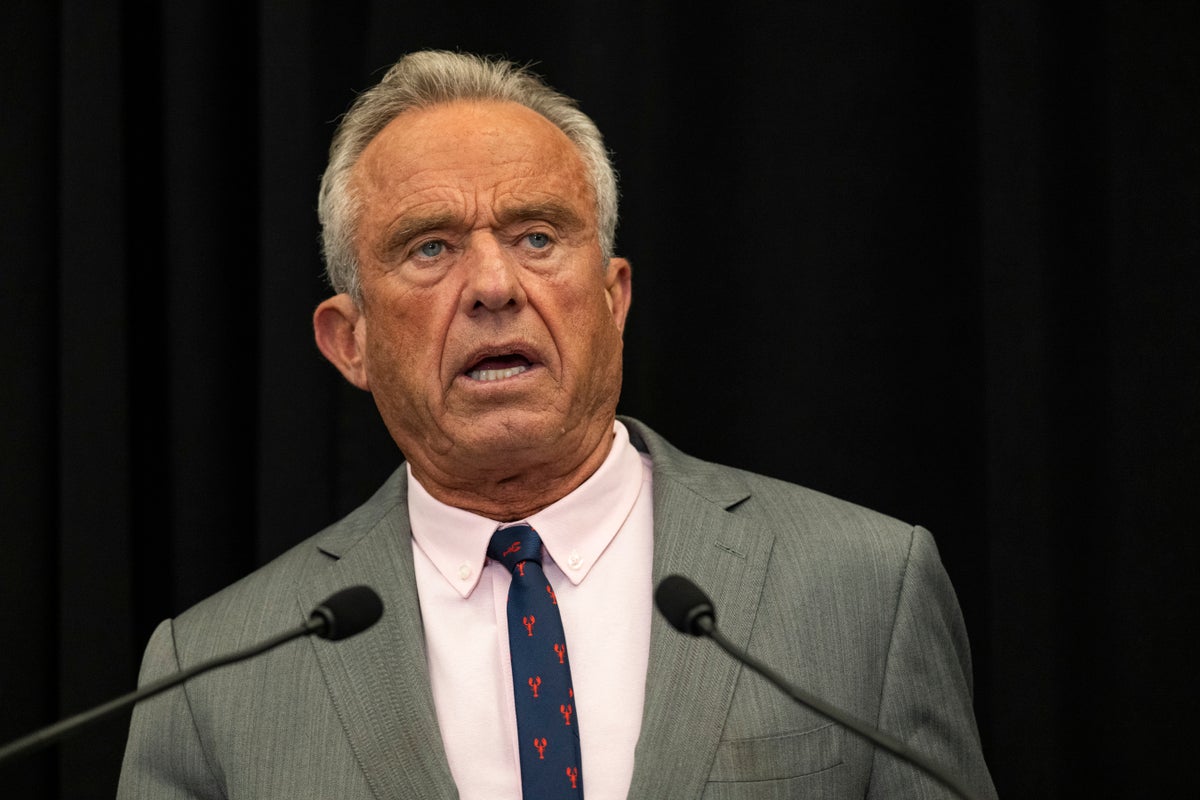
Getting mFlusiva across the finish line wasn't simple. Earlier this year, the regulatory path hit a massive wall when a top official initially blocked the application. Critics pointed to trial designs and questioned whether the new shot was properly compared against existing high-dose alternatives meant for seniors. Behind the scenes, the shadow of skepticism from officials like Robert F. Kennedy Jr. loomed large over federal vaccine policies. Kennedy has consistently questioned mRNA safety and moved to wind down federal funding for specific messenger RNA projects.
Yet, the science ultimately forced a reversal. Following sharp pushback from infectious disease experts and warnings that blocking new tech would kill pharmaceutical innovation, the agency agreed to a review. An independent advisory panel voted unanimously in June, concluding that the benefits heavily outweigh the risks for adults fifty and older.
The final approval comes with clear divisions:
- Full approval applies to adults aged fifty to sixty-four.
- Accelerated approval applies to those sixty-five and older, pending mandatory post-marketing confirmation studies.
What the Clinical Data Actually Shows
Numbers matter when evaluating a new medical product. In a large Phase 3 trial featuring roughly forty thousand participants, Moderna reported that mFlusiva reduced laboratory-confirmed influenza cases by roughly twenty-six percent compared to standard traditional flu shots.
For older adults, the comparison gets nuanced. In trials assessing immune response, the messenger RNA shot performed strongly against existing high-dose benchmarks. However, the regulatory body wants real-world verification to ensure that a stronger antibody response directly translates into superior clinical protection for the over-sixty-five demographic.
Side effects match what most people experience with other modern inoculations. Expect temporary injection-site pain, fatigue, headaches, and mild muscle aches. These reactions occurred slightly more often than with standard seasonal shots, a trade-off driven by the robust immune activation triggered by the platform.
What This Means for Your Next Doctor Visit
You won't have to wait long to see the product on shelves. Moderna announced that doses will roll out to select retailers during the upcoming respiratory virus season. Medicare is expected to cover the cost for eligible seniors, making adoption straightforward for those who qualify.
If you are trying to decide whether to take it, talk directly with your primary care physician about your personal health history. While political rhetoric tries to frame messenger RNA as a battleground issue, the medical reality is far simpler: it is an alternative tool designed to target a mutating virus more efficiently. Evaluate your options based on your age, underlying health conditions, and previous reactions to seasonal immunizations. Review your choices ahead of the fall rush and schedule your shot before peak transmission begins.