Baghdad and Ankara just bought themselves some time. Turkey and Iraq signed a fresh one-year transit agreement to keep crude flowing through the vital Iraq-Turkey pipeline.
If you think this is just standard bureaucratic paperwork, look closer. Global energy markets are breaking apart. The Strait of Hormuz is effectively choked off, leaving millions of barrels stranded in the Gulf. Suddenly, a pipeline running north to the Mediterranean isn't just an alternative route. It's an absolute lifeline.
The Reality Behind the Numbers
Let's look at the actual capacity. The Iraq-Turkey pipeline can technically handle about 1.5 million barrels per day. Right now? It is hovering around 170,000 barrels daily. That massive gap tells a story of years of regional disputes, technical damage, and political football between Baghdad, Erbil, and Ankara.
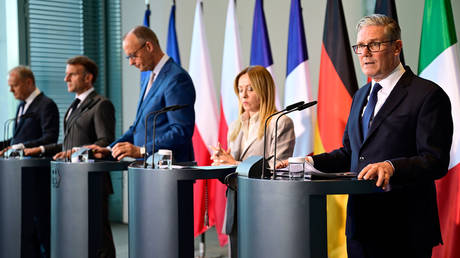
The new deal sets a baseline transit capacity of 750,000 barrels per day. Turkish state operator BOTAS signed the papers alongside Iraq's SOMO and the North Oil Company after high-level talks in Ankara featuring Iraqi Prime Minister Ali al-Zaidi and Turkish President Recep Tayyip Erdogan.
Why only one year? Because a permanent framework takes time to draft. Both capitals want a comprehensive deal covering not just oil, but electricity grids and scarce water resources too. But they couldn't afford to wait while global supplies choke.
Why the Strait of Hormuz Crisis Forced This Hand
You cannot talk about this pipeline without looking at the Persian Gulf. Ever since shipping disruptions spiked following regional military escalations earlier this year, Iraqi oil revenues took a brutal hit. Monthly earnings plummeted from roughly 6 billion dollars down to under 2 billion dollars when maritime exports through the south stalled.
When your national budget depends almost entirely on oil, losing 80 percent of your export capacity creates an immediate existential crisis.
Baghdad had to scramble. Re-opening and securing northern routes through Turkey became the only viable escape hatch. For Turkey, managing this corridor elevates Ankara's status as an indispensable energy hub bridging the Middle East and Europe.
What Happens Next on the Ground
Operating a pipeline through rugged terrain plagued by security risks isn't easy. Kurdish regional fields, which supply much of the current northern flow, have faced repeated drone and missile threats over recent months.
Turkish Energy Minister Alparslan Bayraktar has made it clear that Ankara wants to expand the network eventually. Bringing southern Iraqi fields into the northern pipeline network would completely alter the region's energy logistics.
Right now, the focus is simple execution. Companies on both sides are tasked with getting the oil moving safely under this interim framework while diplomats hash out the permanent treaty.
Keep your eyes on the daily throughput numbers over the coming months. If actual flows start climbing closer to that 750,000-barrel target, it means security holds and political will is real. If volumes stay flat, expect deeper friction between the central government and regional authorities.