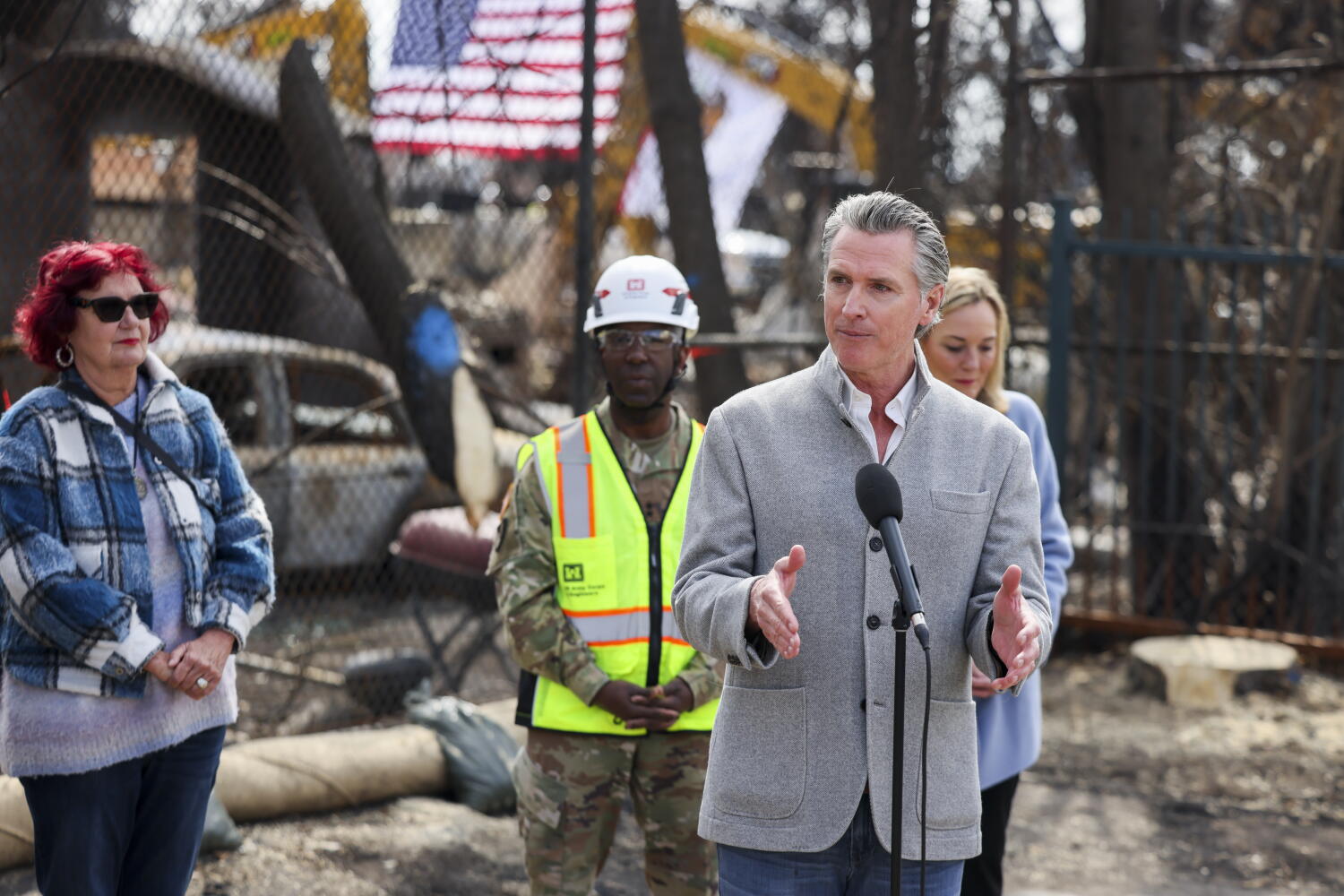
California utilities keep burning down neighborhoods, and nobody wants to pay the bill. Governor Gavin Newsom is pushing a last-minute legislative package to alter how wildfire liability works across the state. Insurance executives aren't staying quiet about it. They claim the shift will directly inflate property insurance premiums for everyday residents.
If you live in a fire-prone zone, your bills are already painful. This new policy fight could make things much worse.
The Core Conflict Over Subrogation
At the heart of the debate is a legal concept called subrogation. Right now, when a utility company's faulty equipment sparks a catastrophic wildfire, home insurers pay out claims to affected policyholders and then sue the utility to recoup those costs. It acts as a financial accountability check. Utilities pay for the damage they cause.
Newsom's proposal aims to curb or eliminate this right. By stripping insurers of their ability to recover payouts from for-profit utility monopolies like Pacific Gas & Electric, Southern California Edison, and San Diego Gas & Electric, the state hopes to shield these companies from financial ruin.
The governor argues that the current system causes endless litigation and leaves fire victims waiting years for compensation. His plan promises to get money to survivors faster and put a lid on skyrocketing electricity rates.
Why Insurers Say Premiums Must Rise
Insurance leaders see a glaring math problem. If property insurers lose the legal right to claw back billions of dollars from billion-dollar utility corporations, that financial burden doesn't just disappear. It lands squarely on the insurance companies themselves.
When risk increases for insurers, they pass it down. Industry groups, including the Personal Insurance Federation of California, warn that absorbing these massive losses will force them to hike rates across the board. Some companies might pull out of the state entirely. California's property insurance market is already hanging by a thread. Homeowners struggle to find coverage as private insurers retreat from high-risk zones.
Rex Frazier, president of the federation, put it plainly. Shifting liability away from utilities destroys basic accountability. It tells corporations they won't fully pay for the mess their equipment makes.
Lawmakers Push Back
Newsom isn't getting a free pass from the legislature. Democratic leaders in both the state Assembly and Senate are balking at the speed and scope of the proposal. Lawmakers agree that utility CEO bonuses should face severe restrictions if a company triggers a massive blaze, and they support stiffer safety fines.
However, cutting off subrogation remains a major sticking point. Legislative critics argue that protecting utility investors by offloading risk onto the insurance ecosystem creates a worse crisis of affordability.
What This Means for Your Wallet
California electricity rates rank among the highest nationwide. Home insurance costs have doubled or tripled for many residents over the last few years. State leaders are trying to solve a brutal zero-sum game. Protect electricity customers from utility hikes, or protect homeowners from insurance spikes. Right now, it looks impossible to do both.
Keep an eye on how the legislature handles these final drafts. If you are shopping for coverage or trying to keep your existing policy active, expect more volatility ahead. Mitigation and home hardening remain your best defenses, because structural relief from Sacramento is still a long way off.
California, lawmakers and Newsom clash over wildfire liability and insurance payouts
This video provides a direct look at the intense legislative showdown in California regarding utility liability reforms and how insurance payouts are managed.