When Nicki Minaj steps onto a political rally stage alongside Donald Trump and says he has "changed the energy" of the United States, the internet immediately fractures into predictable noise. Fans argue in comment sections. Pundits trade rehearsed talking points. Almost everyone misses what's actually happening beneath the viral clips.
Celebrity endorsements used to follow a neat, predictable script in American politics. Pop stars and hip-hop icons aligned almost exclusively with Democrats, cut a few polished campaign videos, and told young voters to show up at the polls. That era is dead. When an artist with Nicki Minaj's cultural footprint stands next to Trump and credits him with shifting the national mood, it signals a massive realignment in how pop culture, hip-hop, and conservative politics collide.
I've spent years watching entertainment cycles bleed into political campaigns, and the biggest mistake analysts make is treating moments like this as random publicity stunts. They aren't. They're calculated, mutually beneficial power plays that expose huge blind spots in traditional political strategy.
What Actually Happened When Nicki Minaj Joined Trump
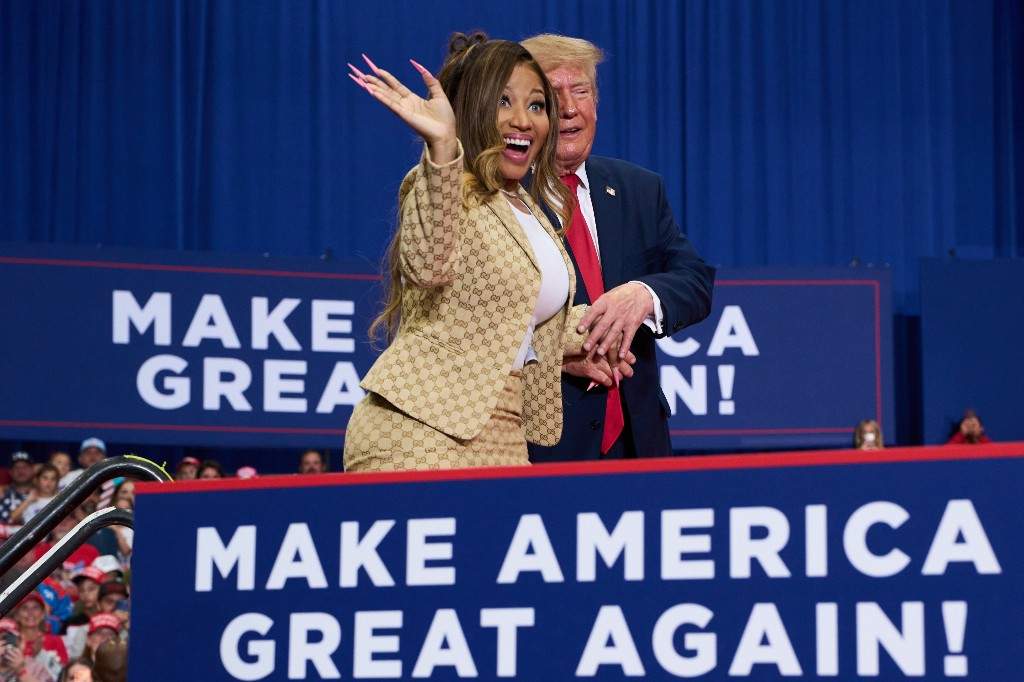
Let's strip away the cable news spin and look at the core moment. Nicki Minaj appeared at a Donald Trump rally, taking the mic to praise his impact on the country and stating directly that he has "changed the energy" of the U.S.
Notice the exact phrasing she used. She didn't rattle off tax bracket percentages or read from a teleprompter about legislative policy. She talked about energy.
In hip-hop and pop culture, "energy" isn't a throwaway buzzword. It's currency. It describes momentum, cultural dominance, and the feeling that someone is disrupting a stale status quo. By framing Trump's appeal around energy rather than partisan dogma, Minaj translated his political brand into language her audience actually speaks.
Trump, who built his entire political identity on vibe, crowd size, and disruption, knew exactly how valuable that co-sign was. Standing next to one of the best-selling female rappers in music history gives him instant cultural legitimacy with audiences that traditional Republican messengers simply cannot reach.
Why Hip-Hop and Trump Keep Crossing Paths
If you're shocked by Nicki Minaj praising Trump, you haven't been paying attention to hip-hop's relationship with him over the last decade.
Before he ever ran for office, Trump was a frequent fixture in rap lyrics—mentioned in hundreds of tracks by artists like Nas, Kanye West, Jay-Z, and Rae Sremmurd as a shorthand symbol for extreme wealth, brash confidence, and unapologetic success. When he entered politics, that relationship grew complicated, fractured, and fiercely debated within the culture.
Still, a distinct pattern emerged over multiple election cycles:
- Kanye West (Ye) famously wore the red MAGA hat in the Oval Office, arguing that Black voters shouldn't be treated as a monolithic voting bloc.
- Lil Wayne and Kodak Black both received presidential clemency from Trump near the end of his first term, creating high-profile moments of public gratitude.
- Amber Rose spoke at the Republican National Convention, openly challenging the social pressure celebrities face to stay silent or lean left.
- Sexyy Red, Waka Flocka Flame, and Benny the Butcher have all made headlines for expressing varying degrees of support or appreciation for Trump's persona.
Minaj stepping onto a rally stage fits squarely into this broader cultural shift. It's no longer social suicide in hip-hop to express alignment with Trump. For some artists, breaking away from Hollywood's expected political orthodoxy actually reinforces their brand as independent thinkers who refuse to be told what to do.
The Barbz Factor and Online Political Warfare
You cannot analyze anything Nicki Minaj does without accounting for the Barbz—one of the most fiercely loyal, hyper-organized fanbases on the internet.
Most celebrity endorsements generate a 24-hour news cycle and evaporate. Minaj's fanbase operates differently. They treat every cultural moment involving her like a coordinated campaign. When she makes a political statement, millions of fans don't just passively read a headline; they actively defend, remix, and amplify her words across TikTok, X, and Instagram.
Here's why that matters for political strategists:
- Algorithmic reach beats ad buys. Campaign commercials get skipped. Clips of Nicki Minaj speaking at a Trump rally get stitched, debated, and shared organically by people who never watch cable news.
- Authenticity cuts through skepticism. Voters under 35 have grown deeply cynical about scripted celebrity PSAs. An unscripted, conversational moment on stage feels raw and genuine, even to people who disagree with the message.
- Permission structures change overnight. Many younger voters hesitate to voice conservative or populist opinions because of social peer pressure. Watching a massive pop icon openly embrace Trump lowers that social barrier immediately.
What Critics and Supporters Both Get Wrong
Whenever a major artist crosses political lines, both sides rush to extreme interpretations. Neither holds up under real scrutiny.
What critics get wrong: Opponents often dismiss celebrity rally appearances as meaningless distractions, claiming musicians have zero influence over how people actually vote. That ignores basic behavioral research. While a single rally appearance won't magically flip millions of ballots on its own, studies from institutions like the Harvard Kennedy School have consistently shown that high-profile cultural figures dramatically impact voter registration spikes, media framing, and enthusiasm among low-propensity voters. Enthusiasm drives turnout. Turnout decides elections.
What supporters get wrong: On the flip side, conservative commentators sometimes treat an endorsement from someone like Minaj as proof that an entire demographic has permanently switched parties. That's wishful thinking. Pop culture alignment is fluid, personal, and often tied to specific cultural frustrations rather than a lifelong commitment to a party platform. Minaj praising Trump's energy doesn't mean her fans suddenly agree with every plank of the GOP platform.
Nicki Minaj's History of Breaking the Mold
To understand why Minaj made this move, look at her career trajectory. She has never played by industry etiquette.
From clashing publicly with music executives to calling out media narratives in real time on Instagram Live, Minaj has consistently positioned herself as an outsider fighting against gatekeepers. During the pandemic, she sparked global headlines by questioning vaccine mandates and encouraging fans to research and make their own decisions—a stance that drew fierce backlash from mainstream media and loud praise from populist voices.
In that context, standing beside Trump makes total sense. Both figures thrive on an "us against the establishment" narrative. Both have mastered direct-to-fan communication that bypasses traditional media filters. When Minaj says Trump "changed the energy," she's recognizing a kindred spirit in disruption.
How to Read Celebrity Politics Without Getting Played
If you want to understand where American culture and politics are heading, stop treating celebrity endorsements as moral verdicts and start analyzing them as media strategy.
Next time a major artist steps onto a political stage, look past the outrage cycle and ask three practical questions:
- Who is the real target audience? Artists and politicians rarely care about convincing hardcore partisans. They're aiming straight at disengaged, skeptical, or undecided audiences who tune out traditional political coverage.
- What language is being used? Notice whether the speaker uses policy talking points or cultural shorthand like "energy," "freedom," or "respect." Cultural shorthand travels ten times faster online.
- How does the fanbase react in the first 48 hours? Watch the comment sections and fan accounts rather than the pundit panels. If fans defend the move rather than revolt against it, the cultural ground has genuinely shifted.
Nicki Minaj joining Donald Trump on stage isn't a glitch in the political matrix. It's proof that in modern politics, cultural momentum and political power are now fused together—and anyone still relying on old-school campaign playbooks is already falling behind.