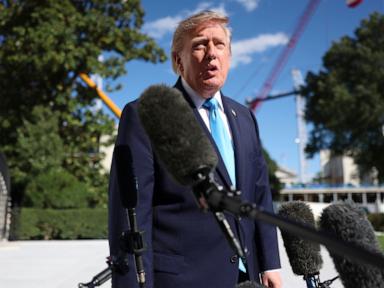
The machinery of military justice moves at a glacial pace until it suddenly doesn't. When President Donald Trump approved the execution of former Army Major Nidal Hasan by a military firing squad, it shook decades of precedent. Back in November 2009, Hasan walked into a deployment processing center at Fort Hood, Texas, opened fire, and murdered 13 people while wounding 32 others. A military jury sentenced him to death back in 2013, but he has sat on death row at the United States Disciplinary Barracks ever since.
Now, following a recommendation from Defense Secretary Pete Hegseth, that long wait is hitting a hard stop. Acting Army Secretary Adam Telle scheduled the execution for December 3, 2026, at Fort Hood. If this execution proceeds as planned, it shatters a six-decade freeze on military capital punishment. The last U.S. service member put to death by the military was Private John Bennett, who was hanged in 1961 for rape and attempted murder. You have to go all the way back to 1945 to find the last time an American soldier faced an Army firing squad.
Breaking Down the Decades-Long Delay
People always ask why military death sentences take forever. The answer sits in endless appeals, mandatory reviews, and political hesitations. Hasan’s case was no exception. After his 2013 court-martial—where he admitted to the shootings and chose to represent himself—his case crawled through military appellate courts.
Capital cases in the armed forces require layers of sign-offs. Every conviction resulting in death must pass through the Court of Appeals for the Armed Forces and potentially the Supreme Court. Hasan didn't mount a traditional defense during his trial because his motive was clear and ideological; he stated he wanted to protect insurgents in Afghanistan from U.S. soldiers. Yet, the legal system dragged its feet for over thirteen years post-conviction. Presidents from both parties avoided touching the military death row, leaving the ultimate command decision untouched. Trump's intervention completely cuts through that bureaucratic hesitation.
Why a Firing Squad Changes the Conversation
The choice of method is just as striking as the approval itself. Lethal injection has faced massive scrutiny, supply shortages, and botched executions across state systems. By opting for a firing squad, the administration bypassed the pharmaceutical bottlenecks plaguing modern capital punishment.
It also brought immediate logistical and cultural shockwaves. Initial plans floated the idea of livestreaming the execution, a proposal that drew fierce debate before being walked back following bipartisan pushback and heavy criticism from mental health professionals. Even without a public broadcast, the local impact is massive. Communities surrounding the base are bracing for the event. In fact, the Killeen Independent School District announced districtwide closures for December 3 to manage the expected security perimeter, national media crush, and traffic gridlock around Fort Hood.
What Happens Next in the Courts
Despite the scheduled date, legal battles aren't entirely dead. Attorneys for military death row inmates still have avenues to pursue federal habeas corpus review in civilian courts. Hasan's defense team could file eleventh-hour stays arguing procedural violations or questioning the legality of shifting execution methods.
Yet, the political willpower behind this order is unprecedented in modern times. The federal government and select states are aggressively clearing out capital backlogs, and the military branch is no longer an exception. For the survivors of the 2009 rampage and the families of the 13 fallen soldiers, December 3 represents an absolute reckoning over a decade in the making.