The pine needles outside the bedroom window stopped smelling like summer at precisely 2:47 a.m.
They smelled like old batteries. They smelled like an electrical fire behind the drywall, sharp and metallic, clinging to the back of the throat before you even register that your eyes are open. For a different view, consider: this related article.
In the valley below, a phone lit up a nightstand with a silent, violent pulse. No ringtone. Just a harsh rectangle of white light cutting across a sleeping face, bearing a string of words that every homeowner in the Gironde dreads: Évacuation immédiate.
Smoke does not arrive with a roar. It arrives as a thief. It slips under the door frame, curls across the floorboards, and fills the dark room with an ancient weight. When Marc sat up in bed, his first thought was not of policies, insurance, or property values. His first thought was of the rabbit. Similar insight on the subject has been published by BBC News.
A day earlier, his seven-year-old daughter, Léa, had rescued a startled juvenile rabbit from the edge of the parched ditch behind the vineyard, placing it in a cardboard shoebox with a handful of withered clover. Now, standing barefoot on the cold tile with the horizon glowing an unnatural, bruised orange, Marc faced a terrible arithmetic. The car doors were already unlocked. The trunk was full of family albums and a single canvas bag of clothes.
There is a strange paralysis that sets in when an entire ecosystem decides to move.
Across the pine-scented hills of southwestern France, the air had been cooking for weeks. Summer had long since stopped being a season and had become a siege. The soil was cracked porcelain; the underbrush was tinder waiting for a spark. When it came, it did not merely burn. It devoured.
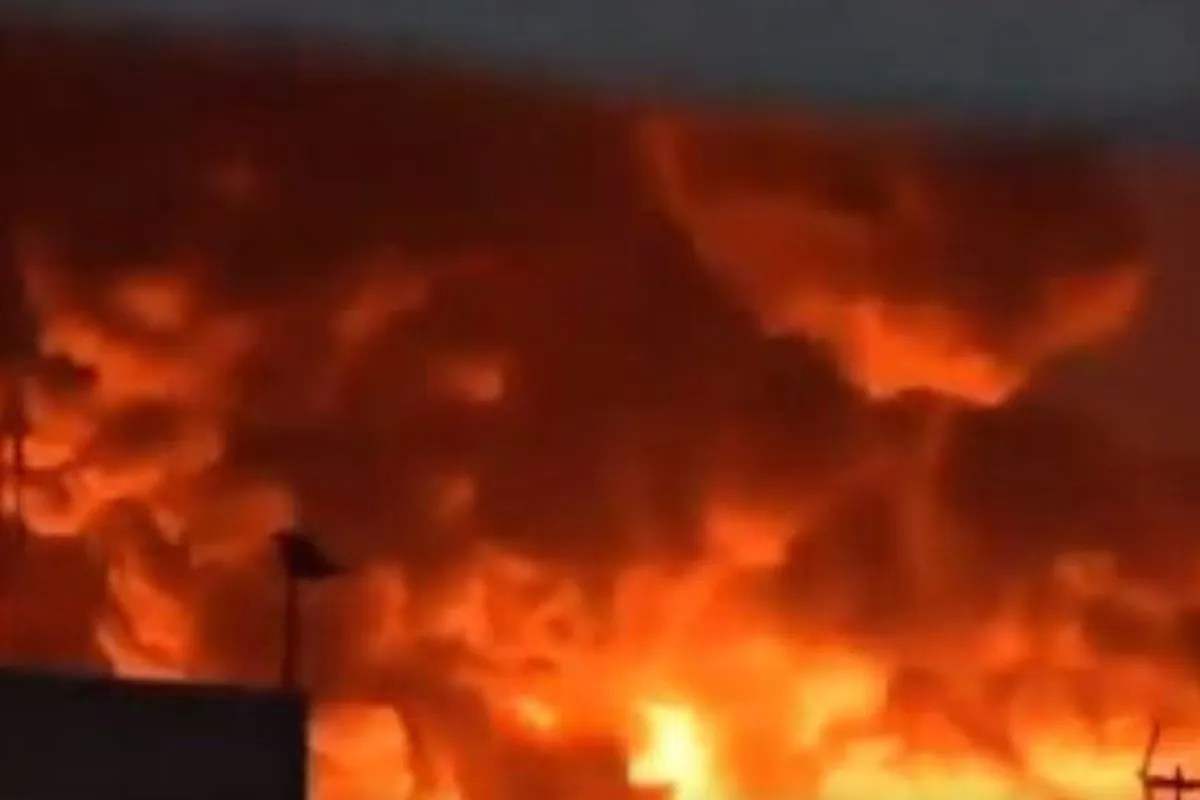
By the time the early morning alert shattered the silence of the pine forests, the fire was already rewriting geography. It was leaping firebreaks designed decades ago for blazes of a different century. It was creating its own weather, sucking oxygen out of valleys miles away to feed a towering column of ash that blotted out the stars.
Thousands of lives fractured in an instant.
Think of what it means to pack a lifetime into sixty seconds. You grab the passport, yes. You grab the silver baby spoon from your grandmother. But then your hand hovers over things that defy logic. Marc left his wallet on the kitchen island and carried the shoebox containing the rabbit out to the backseat.
Outside, the road was already a river of red taillights.
There is an eerie politeness to mass displacement in the dead of night. People do not honk. They do not scream. They drive in a daze of headlights and ash, moving away from a glow that makes the midnight sky look like noon over a foundry. Behind them, two hundred and twenty thousand people—tourists in campers, locals with generations of soil under their fingernails, vineyard owners watching decades of patience turn to cinders—were being funneled toward gymnasiums and makeshift shelters.
Air travel was grounded not by wind, but by visibility so thick it tasted like charcoal. Firefighters from across Europe converged on the pines like ants at a picnic, spraying hopeless volumes of water into a furnace that laughed at their hoses. The wind shifted. It always shifts.
What the cold reports and satellite imagery miss—the numbers that quietly tally two hundred and twenty thousand displaced souls and fifty thousand charred hectares—is the silence that follows the roar.
When the sun finally clawed its way through the smoke hours later, it was the color of a bruised plum. It cast no shadows. It offered no warmth. It merely hung in the sky like a warning.
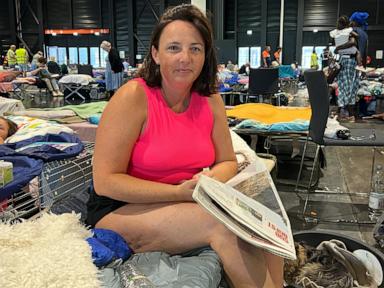
In a municipal gymnasium thirty miles from the coast, cots were lined up in rows that stretched toward basketball hoops. Children slept in heaps of mismatched blankets. On a folding chair near the emergency exit, Marc sat with the cardboard shoebox on his knees. The lid was open an inch. Inside, the rabbit's nose twitched, completely unaware that the world it knew had been wiped clean by a wall of fire.
We build our lives on the assumption of permanence. We plant vineyards that take decades to mature. We build stone walls and paint shutters and teach our children the names of the constellations. We believe the landscape is a backdrop, a static canvas against which we play out our small, orderly dramas.
Then the wind turns.
The fire in France was never just a natural disaster. It was a mirror held up to an uneasy age, a reminder of how thin the margin is between civilization and chaos. The pine forests will return, eventually. The vines will be replanted, because hope is the stubbornest weed of all. But the horizon has changed. Every time the wind picks up from the east, two hundred and twenty thousand people will wake at 2:47 a.m., their hearts racing, waiting for the light on the phone to turn white.