The iron was cold. It always was. For seventy years, the Victorian-era lamp post on the corner of Elm Street had stood as a silent sentry, its cast-iron base etched with the grime of a century and the quiet dignity of a municipal relic. Then, one Tuesday, it simply vanished.
It wasn't just the lightbulb. It was the entire structure. Gone. In its place remained only a jagged, uneven scar in the pavement where concrete once met iron.
We tend to think of our surroundings as fixed. Static. We assume the street furniture—the bollards, the signs, and especially those ornate, swan-necked lanterns that give a neighborhood its character—are permanent fixtures of the civic body. But someone decided differently. Someone saw a fortune in scrap metal and history, and they went hunting.
A man has been charged with stealing over £1 million worth of streetlamps and lanterns across the United Kingdom. This is not merely a tale of petty theft or a brazen smash-and-grab. It is the systematic dismantling of a country’s visual identity.
To understand the scope of this, imagine a collector who doesn't just want a trinket for their shelf. They want the street itself. Each of these stolen items is a piece of heritage, weighing hundreds of kilograms, requiring heavy equipment and a calculated, chilling audacity to remove.
Consider the logistical mechanics. You cannot put a six-foot cast-iron lamp post in the boot of a sedan. You need a van. You need tools. You need the cover of darkness and the utter gall to operate under the assumption that if you act like you belong there, no one will stop you.
(Hypothetically, let us look at the witness: A delivery driver, parked a street over, catching a glimpse of a high-vis vest and a hydraulic cutter. The driver thinks it is a maintenance crew. He keeps driving. The crime is committed in plain sight, masked by the mundane reality of roadwork.)
The loss is estimated at £1 million. That is a sterile, accountant’s figure. It fails to account for the true cost.
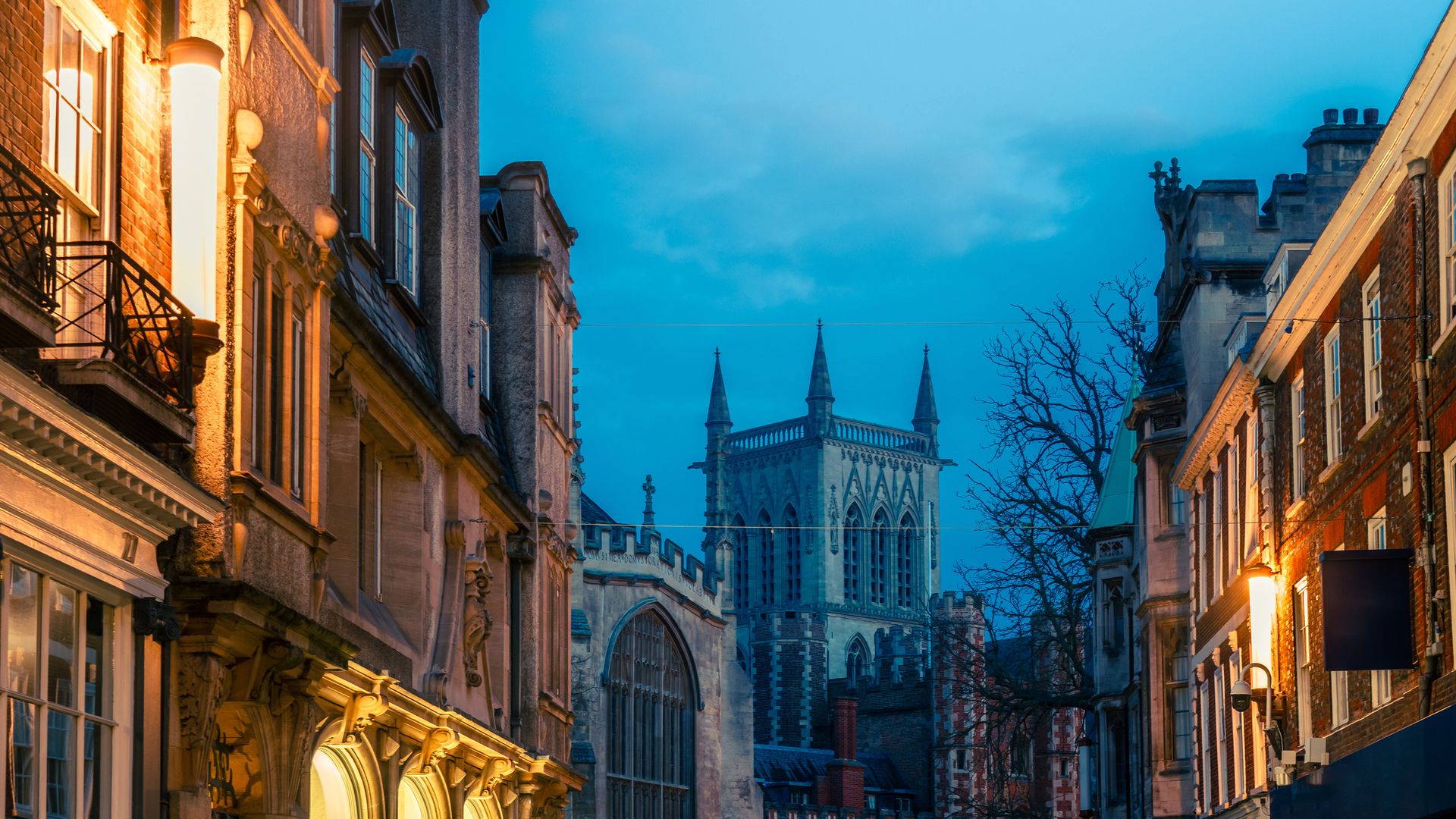
When you strip a Victorian lantern from a historic square, you do not just remove metal. You alter the atmosphere of a space. You steal the warmth of the amber glow that defined a thousand evening commutes and quiet walks home. You leave a hollow, a void that feels distinctly unsafe. You turn a neighborhood into a crime scene.
What happens to the iron once it is gone? It disappears into the dark underbelly of the scrap trade. A buyer pays for the weight, not the history. The exquisite craftsmanship—the scrollwork, the filigree, the precise molds created by foundries that closed their doors decades ago—is fed into a furnace. It is melted down, stripped of its soul, and turned into anonymous ingots.
History, recycled for profit.
The investigation has been a long, arduous process of tracing these ghosts. Police have had to sift through records, monitor scrap yards, and track a network of illicit sales that spanned counties. It is a reminder that even in an age of digital surveillance, the physical world is still incredibly vulnerable. We leave our doors unlocked when we shouldn't, and we leave our heritage unguarded in the dark.
There is a strange, melancholy irony in the fact that these lights, which existed solely to illuminate and protect, were the ones most easily consumed by the shadows.
We walk past these things every day without seeing them. We glance at the flicker above, never bothering to note the ornate base, the rust patterns, or the way the light catches the iron. We only realize their value when the space above our heads goes black. We only notice the architecture of our lives when someone decides to tear it down, piece by heavy, stolen piece.
The charges laid against this man are a beginning, a formal recognition of the theft. But they do not bring back the lampposts. They do not repair the broken concrete or restore the soft, nostalgic hum of a street that was once whole.
Somewhere, in a forgotten corner of a dark warehouse, a pile of iron waits to be erased. And on a street corner somewhere else, a shadow now stretches longer than it ever did before.
The light is out. The street is colder now. And the silence left in the wake of the theft is the loudest thing in the city.


