Altitude is supposed to be a sanctuary. When the wheels leave the tarmac, the chaotic gravity of everyday life is supposed to stay behind, replaced by the quiet, predictable hum of jet turbines and the distant, cotton-ball flatness of clouds. Up there, safety is an absolute contract signed between the pilot, the machine, and the thin shell of pressurized aluminum keeping the void at bay.
On flight FZ1073, that contract was violently torn apart.
Imagine sitting in row fourteen, watching the cabin lights glow with that sterile, comforting blue. Passengers are dozing, scrolling through downloaded movies, or nursing plastic cups of lukewarm water. Then, a sudden, jagged disturbance breaks the drone of the engines. Not turbulence. Something far more visceral.
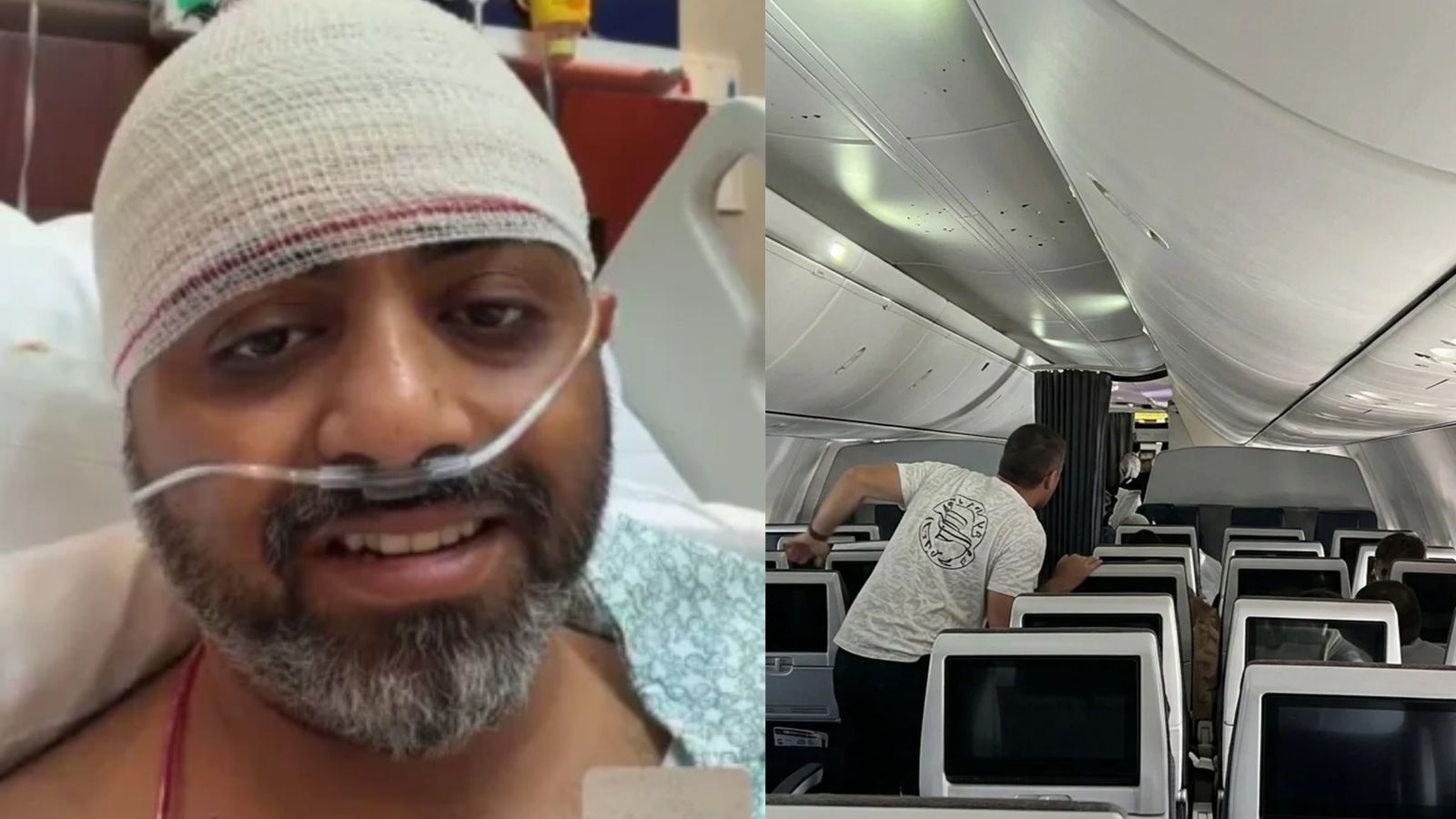
Up front, in the flight deck—the heavily fortified nerve center where calm calculation is supposed to rule—chaos erupted. Captain Smit Machchhar, an experienced Indian aviator entrusted with the lives of everyone onboard, found himself the target of a sudden, brutal assault. Details that emerged later painted a picture of absolute disorientation. A cockpit is a tight, claustrophobic space filled with toggle switches, glowing multi-function displays, and dual control yokes. When violence invades that space, every second ticks like a bomb fuse.
The official reports call it an assault. But to understand what happened on FZ1073, you have to look past the cold police blotter language. You have to picture the sudden adrenaline spike, the heart slamming against ribs, the instinct to defend oneself while simultaneously keeping a multi-ton commercial airliner stable at thirty-plus thousand feet. In aviation, an emergency in the cabin is dangerous; an emergency in the cockpit is a catastrophic threat to every single soul in the tube.
Yet, the story did not end when the aircraft touched down and the doors finally opened. That was merely act one.
Days later, the narrative shifted with a jarring twist that stunned international aviation circles. The authorities in the United Arab Emirates did not just secure the aircraft and debrief the crew; they arrested two Maldivian pilots.
Silence followed. Aviation forums buzzed with speculation. Media outlets scrambled for fragments of information. Why two Maldivian pilots? What was their connection to an Indian captain being attacked on a routine flight? The implications rippled far beyond a single carrier or a solitary flight path.
Jurisdiction in the skies is a complex, sobering reality. When an incident occurs mid-air, the country of registry, the country of landing, the nationality of the perpetrator, and the citizenship of the victims all collide in a messy legal ecosystem. The UAE, known for its unyielding stance on aviation security and zero tolerance for onboard disruptions, stepped in with swift, heavy authority.
To grasp the weight of this arrest, consider how commercial aviation actually functions. It is a hyper-globalized dance. A captain from India, flying for a Dubai-based carrier, operating alongside a multinational crew, carrying passengers from every corner of the map. When a violent breach occurs inside the flight deck, it threatens the fragile trust holding this global infrastructure together.
The two Maldivian pilots found themselves caught in the absolute center of a geopolitical and legal tempest. Whether their involvement was a tragic failure of intervention, a catastrophic misunderstanding, or something more direct, the arrest signaled a clear message: the sanctuary of the flight deck is sacred, and any breach of its integrity will face immediate, uncompromising consequences.
We rarely think about the psychological weight carried by flight crews. We board planes expecting automatons in crisp uniforms, immune to stress, fear, or conflict. We forget that they are human beings locked in a pressurized metal tube for hours on end, managing invisible risks that would paralyze most people. When a violent altercation shatters the professional detachment required to fly a commercial jet, it exposes the raw, fragile humanity beneath the uniform.
The investigation into flight FZ1073 continues to unfold, leaving lingering questions about cockpit resource management, security protocols, and the legal fallout when human behavior goes catastrophically off-script. But long after the official reports are filed and the legal battles conclude, the image remains: a quiet cabin drifting through the night sky, completely unaware of how close the edge truly was.