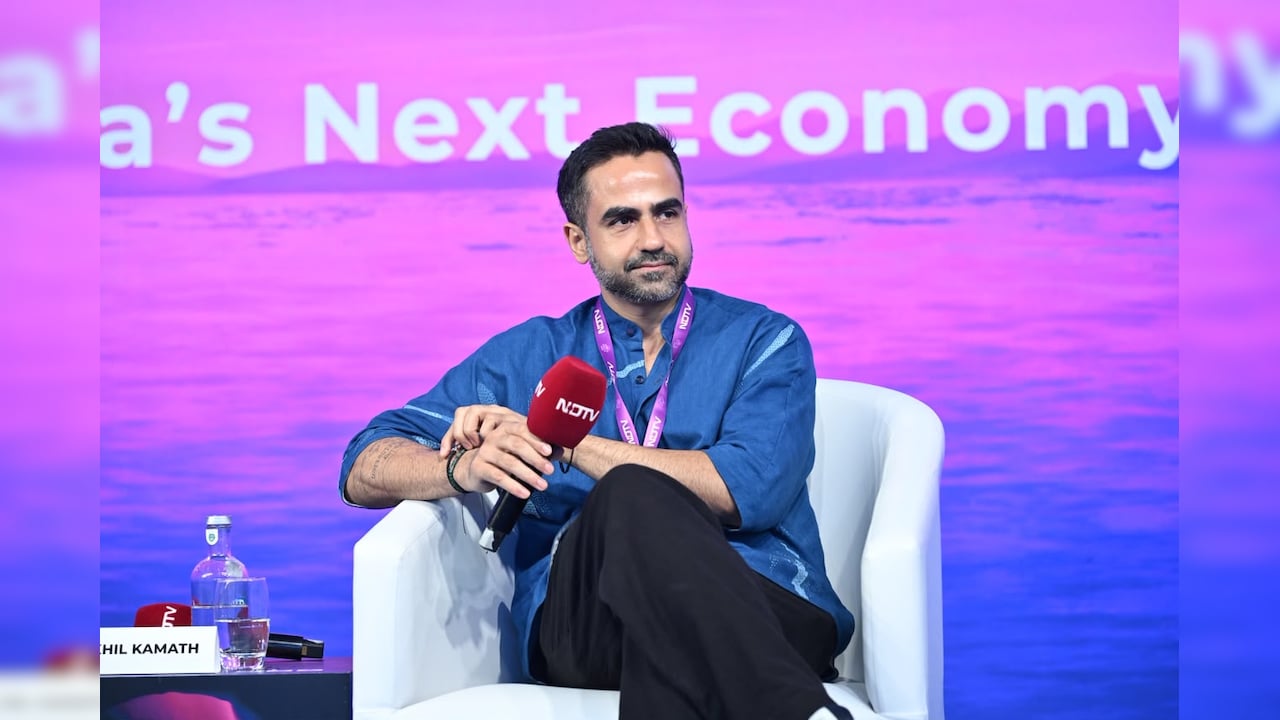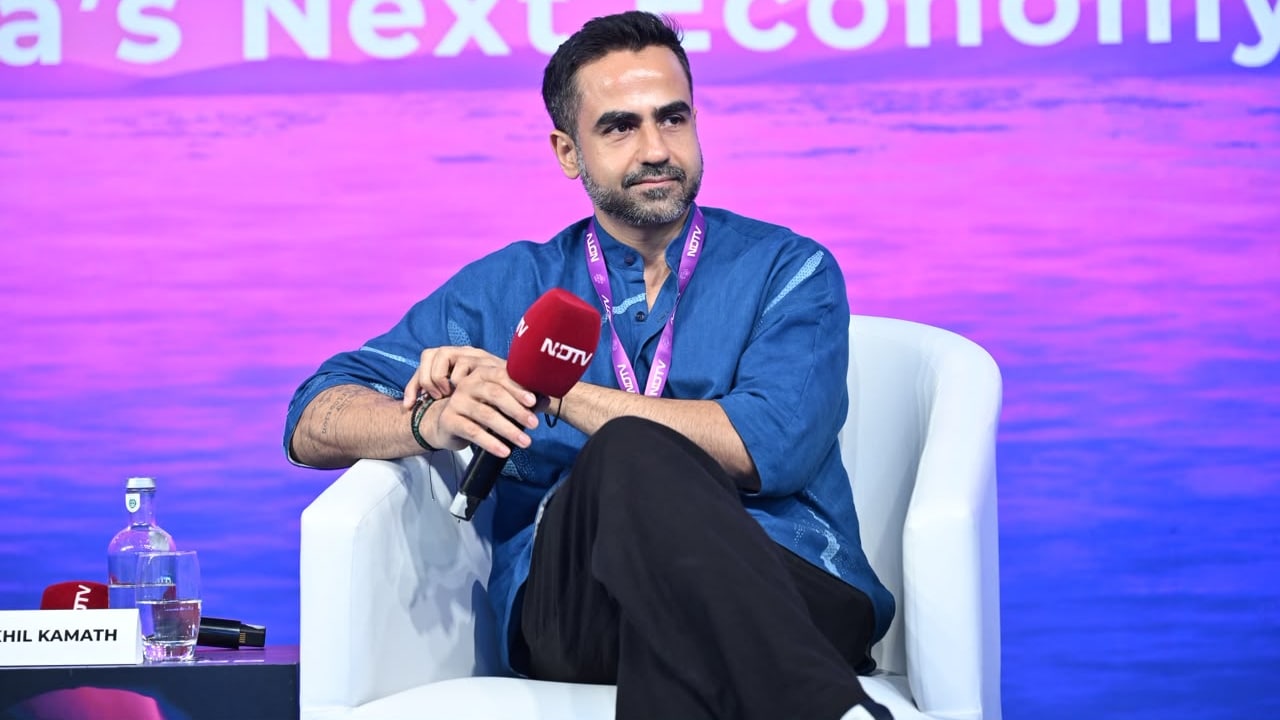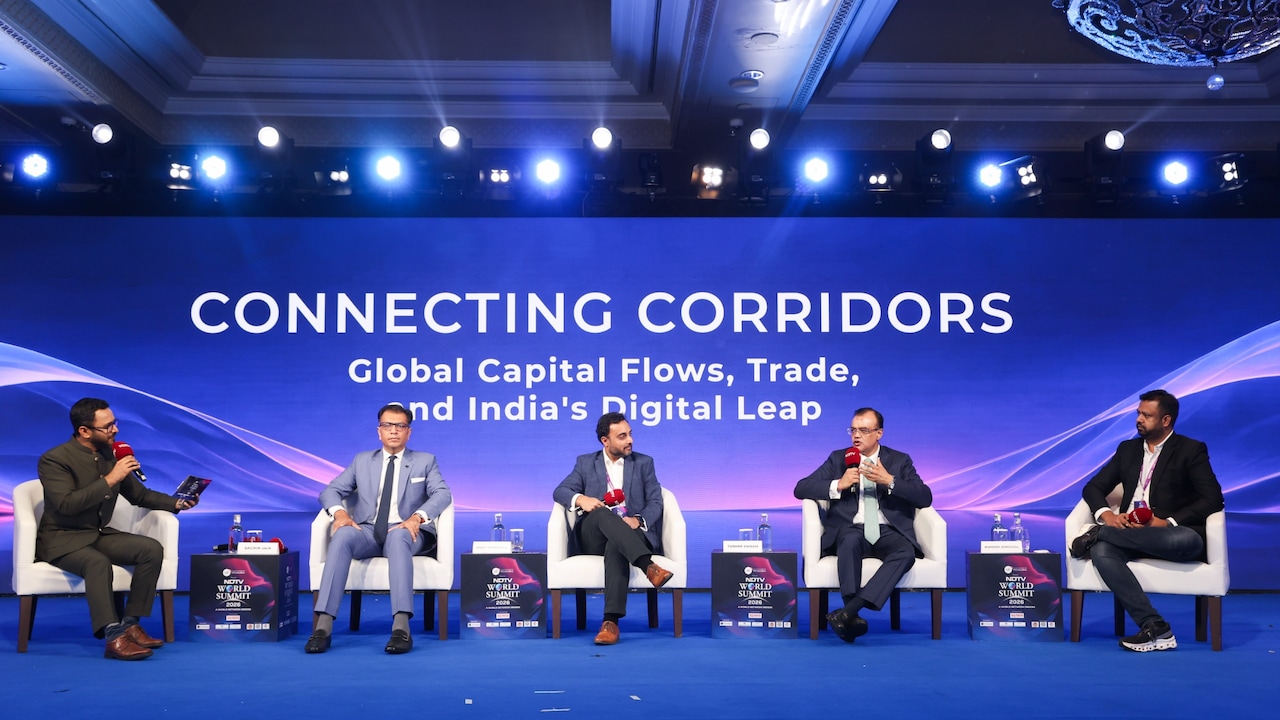
Nikhil Kamath isn't trying to launch another breaking-news channel. When he took the stage on October 22, 2026, at the NDTV World Summit in New Delhi, the Zerodha co-founder made that crystal clear: his media ambitions don't point toward traditional news coverage. Instead, he has his sights set on building a new kind of social media—something distinct from the noisy, algorithm-choked feeds dominating screens today.
That single remark tells you a lot about where Kamath's head is at right now. A few years ago, talking about "building in media" usually meant starting a podcast studio, a business newsletter, or an opinion vertical. Today, anyone can spin up a show or a sub-brand in a weekend. Launching another news outlet or commentator desk isn't a hard engineering or product problem anymore. Figuring out how people actually connect, argue, and discover ideas on a social network—without turning into a clone of existing Western apps—is a much harder nut to crack.
Why Nikhil Kamath Wants To Build Beyond News Media
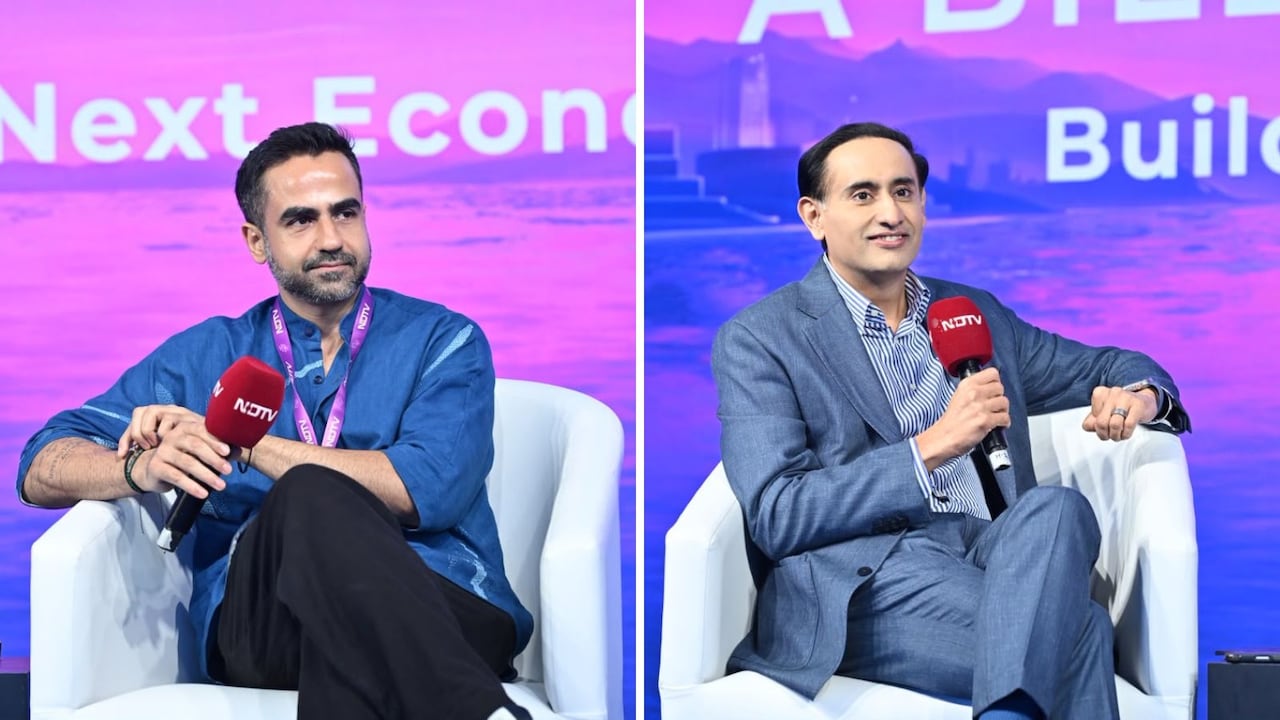
Ask ten founders in Bengaluru or Mumbai what they want to build next, and half of them will mention content, distribution, or media. Usually, they mean audience capture. Kamath is looking at it differently. During his conversation with NDTV's CEO and Editor-in-Chief Rahul Kanwal at the NDTV World Summit 2026, he noted that he has been experimenting with different applications while keeping his eyes on a fresh social media model.
He pointed to a structural shift happening globally. China has its own ecosystem for almost every major digital category, and Kamath wouldn't be surprised if other parts of the world—including India—move toward homegrown social platforms tailored to local habits, languages, and culture.
Wait. Let's pause on that comparison.
Building a domestic social network in a market as diverse as India sounds obvious on paper and brutal in practice. India isn't a single homogeneous digital room. Someone in tier-1 Bengaluru using English and financial apps has a completely different daily rhythm from a first-time internet user in a tier-3 town consuming short video in a regional language. Many apps have tried to be "the social platform for India" and stumbled because retention is tough when every group wants something slightly different.
Still, Kamath has an advantage most media wannabes don't have: he has already watched how habit-forming financial software scales when you strip away friction. Zerodha grew without massive ad-burn by focusing on product utility and trust. If Kamath is experimenting with new social applications, the real question isn't whether he can attract attention. He already has plenty of it. The real test is whether his team can design a social loop people genuinely return to when the novelty wears off.
What Else Kamath Said At NDTV World Summit 2026
His comments on social media didn't sit in isolation. Across his NDTV World Summit 2026 appearance, Kamath laid out a sharp, occasionally contrarian worldview on AI capital, global consumer brands, economic inequality, and how India competes.
A Skeptical Look At AI Spending And Valuations
If you're pitching an AI startup right now, Kamath's warning should make you check your runway. Speaking at the summit, he pointed out a massive gap between AI capital going into the ecosystem and actual enterprise revenue coming out. By his estimate, roughly $1 trillion is being poured into AI every year, while enterprise AI revenues sit closer to $100 billion to $200 billion.
Even with big theoretical productivity numbers—he noted that disrupting just 10% of relevant sectors could unlock $6 trillion to $7 trillion in gains—he hasn't seen those ground-level returns show up broadly yet. He also flagged the risk of borrowing costs tightening, mentioning that US Treasury rates could climb toward 5%, 6%, or even 7%, which would squeeze capital availability. His advice to founders was blunt: if you can raise money now and hold onto cash, do it, because funding conditions could get much tougher.
That's a refreshing dose of realism. Too many pitch decks treat massive infrastructure spend as proof of inevitable profits. History says otherwise. Heavy capital expenditure builds capacity, not guaranteed returns for every player in line.
Open-Source AI Over Frontier Model Wars
Kamath also argued that India doesn't need to go head-to-head with the US and China on every layer of artificial intelligence. Trying to out-build frontier models against giants with unmatched compute budgets has low odds.
Instead, he sees a smarter play in open-source models and applied business services. Companies that help enterprises deploy AI efficiently, trim compute costs, and keep sensitive data private solve real operational headaches. At the same time, he argued that India's talent advantage hasn't vanished; rather, AI has upgraded how services and talent arbitrage work while domestic teams build stronger product capabilities.
Global Consumer Brands And The Nadella Reality Check
One of the most revealing moments from his summit remarks had nothing to do with software. Kamath talked about building consumer brands aimed at global markets—including the United States, the world's largest consumer market—in everyday categories like shampoo and toothpaste.
To illustrate why that matters, he brought up a past conversation with Microsoft CEO Satya Nadella. Nadella had pointed out that despite being Indian and living in the US, he rarely used Indian products across software, hardware, or consumer goods.
Honestly, that sting is real. India exports massive amounts of talent and services, yet everyday consumer brands from India still have a long climb to become household staples in Western bathrooms and kitchens. Selling shampoo or toothpaste in the US isn't a tech problem. It's a branding, distribution, compliance, and shelf-space grind. If Kamath is backing or building in that space, it shows he's thinking beyond screens and code.
Economic Competition, Inequality, And Personal Philosophy
Kamath didn't stick to business mechanics alone. He also touched on governance and society:
- States competing like firms: Inspired by aspects of China's economic model—such as long land leases rather than outright ownership—he suggested India's 28 states could compete more aggressively with one another for investment and entrepreneurship, letting states retain more of the economic gains they generate.
- Inequality and the Gini coefficient: Addressing wealth concentration and inequality metrics like the Gini coefficient, he warned that rising disparity isn't sustainable over the long haul. His message to India's wealthy was direct: address inequality voluntarily before external pressures force the issue.
- Market structure and taxes: He argued that traders and speculators play a useful liquidity role in modern markets, questioned privileged access like colocation, and suggested taxing final income rather than penalizing every single transaction through levies like Securities Transaction Tax (STT) and stamp duties.
- Life without a rigid script: Turning 40 and reflecting on life choices—including marriage, kids, and ambition—he said he values freedom and peace of mind over chasing status or forcing certainty too early.
What Most Coverage Misses About His Playbook
When headlines slice a summit talk into ten separate soundbites, you can miss the thread connecting them. Look closely at what ties Kamath's remarks together: asymmetrical bets and patience.
At the NDTV World Summit, he also shared that he has "delay gratification" tattooed on his arm, emphasizing curiosity, questioning assumptions, and long-term thinking. Whether you agree with every policy idea he floated or not, there's a consistent pattern in how he evaluates risk.
- Avoid crowded, capital-heavy dead ends. Don't burn billions trying to win a frontier-model arms race when applied open-source tooling and practical workflows can serve real customers faster.
- Respect distribution moats. A clever product means very little if you can't reach buyers or build habitual usage—whether that's a social app or a consumer brand competing in the US.
- Treat macro shifts seriously. When capital is cheap, everyone looks smart. When interest rates stay elevated or funding tightens, cash discipline and real unit economics separate survivors from hype.
It's worth noting a fair caveat here, too. Speaking on a summit stage is not the same as shipping a hit product. Experimenting with social apps is one thing; getting millions of people to switch habits is another. And his ideas on state competition or transaction taxes touch deeply debated economic trade-offs where policymakers, economists, and market participants hold conflicting views.
Practical Next Steps For Founders, Investors, And Readers
If you're building a company, allocating capital, or simply trying to read the market clearly after the NDTV World Summit 2026, don't just collect quotes. Put them to work:
- Audit your AI story for real ROI. If you're building with AI, show customers concrete cost savings, speed gains, or data privacy advantages using open-source or efficient stacks rather than leaning on model hype.
- Stress-test your runway. Model a world where fundraising slows down and borrowing costs remain stubbornly high. Extend cash runway while you have leverage.
- Test consumer or social ideas with small, honest cohorts. Before chasing massive scale, watch whether people come back on their own without paid prompts or founder hype.
- Watch the primary conversations. Check the official NDTV World Summit coverage and full session recordings to hear the full context around his remarks on markets, AI, and entrepreneurship rather than relying on short social clips.