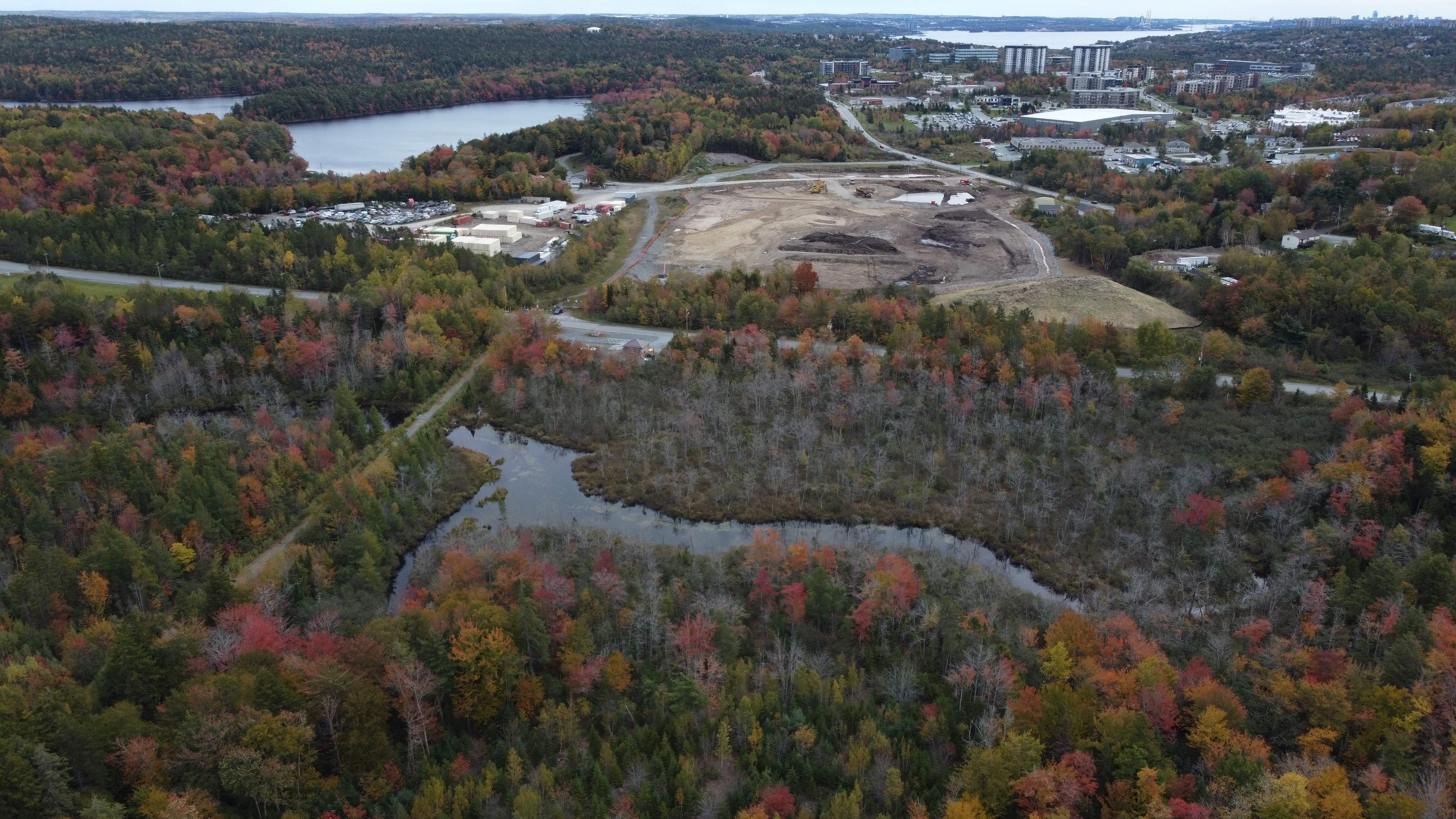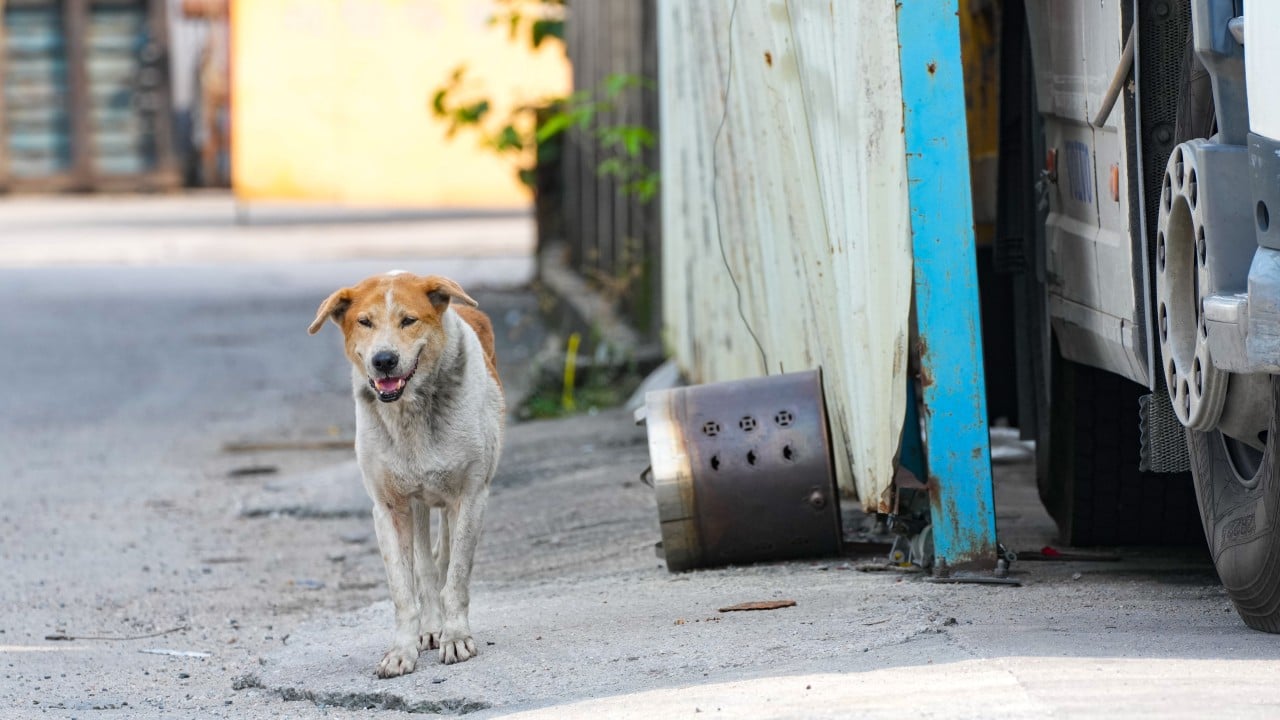
Bulldozers don't just clear concrete and brush. They erase entire territories overnight.
Right now, Hong Kong's Northern Metropolis mega-project is tearing through brownfield sites, squatter villages, and agricultural land across Yuen Long and the North District. While policymakers celebrate new housing targets and innovation hubs, animal welfare researchers and local rescue groups are tracking a grim side effect. Land clearance for the Northern Metropolis is directly fueling a sharp surge in stray dogs and cats across the New Territories.
It's a predictable disaster. Yet somehow, official urban planning documents barely mention it.
When thousands of hectares of rural land get resumed for development, the people living and working there move out. Many of them leave their animals behind. Not out of pure malice, though abandonment certainly happens, but because Hong Kong's public housing rules strictly ban dogs and severely restrict other pets. If you're a low-income resident displaced from a squatter hut in Kwu Tung North or Fanling North, your choices are brutal. You take the flat and lose your dog, or you refuse the flat and end up homeless.
So the gates get left open. The chains get unclipped. And hundreds of semi-feral "village dogs" suddenly lose their territory, their food sources, and their shelter.
The Anatomy of a Displacement Surge
To understand why the Northern Metropolis stray animal numbers are spiking, you have to look at how rural Hong Kong actually works. Unlike urban apartment dwellers in Kowloon or Hong Kong Island, residents in rural New Territories have historically kept animals differently.
Many dogs in brownfield car parks, recycling yards, and village compounds aren't indoor pets. They're working guard dogs or loose community animals fed by warehouse workers and villagers. They aren't microchipped. They aren't desexed. They exist in a gray zone between owned and wild.
When the Lands Department posts resumption notices and moves in with fencing, the ecosystem collapses in stages:
- The Warehouse Exodus. Brownfield operators—logistics yards, vehicle repair shops, storage facilities—are among the first cleared. When these businesses relocate to smaller multi-story industrial buildings or shut down entirely, the guard dogs stay behind in the rubble.
- Public Housing Restrictions. Displaced villagers moving into transitional housing or public rental estates face the Housing Authority's strict no-dog policy. Unless a dog qualifies as a registered service animal, it can't cross the threshold.
- Territorial Spillover. Displaced strays don't simply vanish into thin air. Driven out by construction noise and destroyed shelters, packs migrate into neighboring villages, country parks, and busy highways like Fanling Highway and Castle Peak Road.
This migration creates immediate friction. Stray packs pushed out of Kwu Tung North or Hung Shui Kiu wander into established communities, sparking resident complaints, traffic accidents, and territorial fights with existing local animals.
Why Current Government Policies Fail Rural Animals
Hong Kong's Agriculture, Fisheries and Conservation Department (AFCD) operates on a reactive model. When residents complain about stray dogs near a construction zone, AFCD officers set traps, capture the animals, and transport them to Animal Management Centres.
Here's the ugly truth about that pipeline. Rural village dogs are notoriously wary of strangers. Under Hong Kong's current framework, captured strays that aren't claimed within four days or deemed easily adoptable by partner charities face euthanasia. Because semi-feral dogs from brownfield sites rarely pass standard temperament tests for apartment living, capture almost always equals a death sentence.
Animal welfare advocates and academic researchers studying urban sprawl in the New Territories have pointed out this exact flaw for years. You can't solve a land-clearance crisis with cages and four-day holding periods.
The AFCD's Trap-Neuter-Return (TNR) trial program, launched years ago in select areas, remains too limited in scale and bogged down by bureaucratic hurdles to absorb a sudden influx of hundreds of displaced animals. Even when volunteers want to step in, access to active Development Bureau clearance zones is tightly restricted for safety and liability reasons. By the time independent rescuers learn a village is being demolished, the excavators are already rolling.
The Hidden Ecological Cost Nobody Talks About
Most media coverage focuses on the emotional toll of abandoned pets. That's valid, and the photos of confused dogs sitting beside demolished tin shacks are heartbreaking. Still, there's a broader environmental consequence getting ignored.
When hundreds of unsterilized domestic dogs and cats get pushed into the fringes of Hong Kong's country parks—places like Tai Lam, Pat Sin Leng, and the Mai Po buffer zones—they become apex predators in fragile habitats.
Stray dogs hunt native wildlife. They harass barking deer, kill civets, and disrupt ground-nesting birds. Feral cats devastate local reptile and amphibian populations. Meanwhile, unchecked breeding among displaced strays means a single unspayed female and her offspring can produce dozens of new animals within two years.
If the government wants the Northern Metropolis to live up to its green, sustainable branding, ignoring biological displacement undermines the entire premise. You don't build an eco-friendly smart city by pushing unmanaged domestic predators into neighboring wetlands and woodlands.
What Actually Works When Land Gets Cleared
Throwing blame at displaced villagers doesn't help anyone. Most low-income residents in clearance zones are struggling to navigate compensation packages and rehousing deadlines themselves. Instead, fixing this requires structural changes before the bulldozers arrive.
First, mandatory animal audits need to happen alongside socio-economic surveys. Right now, when social service teams enter a clearance zone like San Tin or Ngau Tam Mei to register residents for compensation, they count people and structures. They don't count animals. Including a simple pet and stray census during the initial freezing survey would give authorities and NGOs a two-to-three-year head start.
Second, mass sterilization must happen prior to eviction. Mobile veterinary clinics funded by the government and run in partnership with groups like the SPCA or Lifelong Animal Protection Charity (LAP) could desex and microchip village animals free of charge before construction begins. Microchipping under a community caretaker model ensures animals are accounted for without punishing low-income owners.
Third, the Housing Authority needs to rethink its blanket pet ban for displaced rural residents. Allowing one-off exemptions for existing, microchipped, desexed companion animals moving into public housing—a model already tested successfully in certain transitional housing projects—would instantly stop thousands of forced abandonments.
How You Can Help Right Now
If you live in Hong Kong or care about animal welfare in the region, waiting for legislative reform isn't enough. Shelter networks across the New Territories are already drowning in intake requests from clearance zones, running out of kennel space and veterinary funds.
- Support grassroots New Territories shelters directly. Smaller, independent sanctuaries operating in Yuen Long, Ping Che, and Ta Kwu Ling handle the brunt of brownfield rescues without massive corporate endowments. Donate directly to their vet bills or sponsor monthly food deliveries.
- Foster a rural mixed-breed. Rescue groups desperately need short-term foster homes to socialize timid village dogs so they can pass adoption assessments. Even a three-month foster commitment saves a life and frees up a kennel space for an emergency clearance rescue.
- Report clearance-zone strays to NGOs before calling the AFCD. If you spot abandoned animals near active construction sites in Fanling, Kwu Tung, or Hung Shui Kiu, contact local rescue networks on social media first so volunteers have a chance to trap and rehome them safely.
- Push for pet-friendly transitional housing. Support petitions and District Council proposals advocating for pet-inclusive policies in public and transitional housing developments across the Northern Metropolis.
Urban development doesn't have to mean mass abandonment. Until Hong Kong's planning authorities treat living creatures as part of the land-clearance equation, independent rescuers and ordinary citizens will remain the only safety net standing between displaced animals and the wrecking ball.