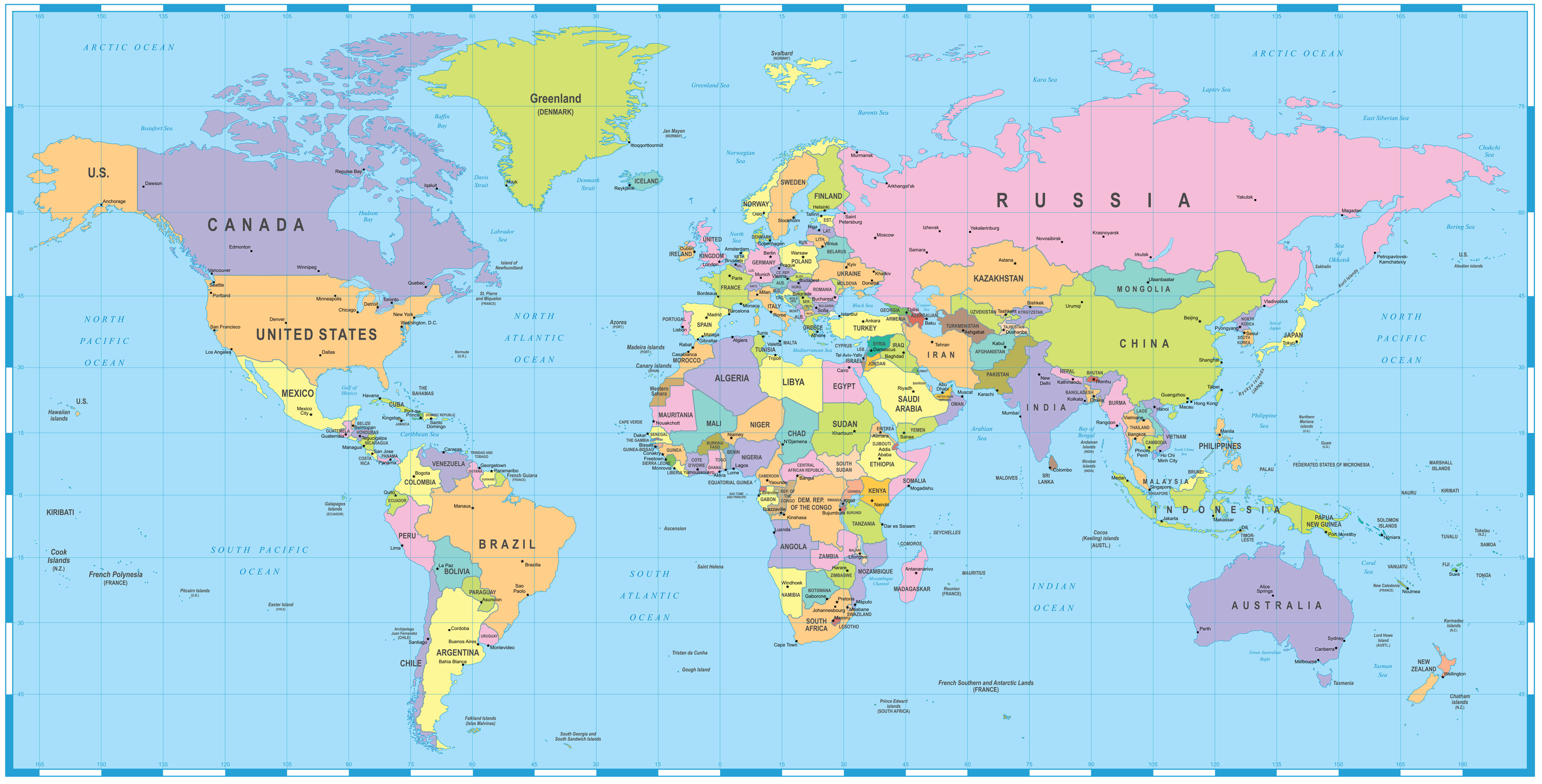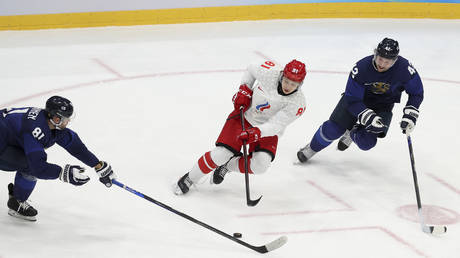
Four Nordic hockey nations just drew a hard line on the ice. Finland, Sweden, Norway, and Denmark all said they won't play against Russia after the Court of Arbitration for Sport ordered Russian teams back into international competition.
A court ruling on paper doesn't force players onto the rink. That's the real shock here. After the Court of Arbitration for Sport overturned the exclusion tied to Russia's war in Ukraine, hockey federations across the north pushed back immediately. They're willing to forfeit matches against Russia, risk tournament chaos, and deal with sponsors and host cities threatening to walk away.
Honestly, this isn't just another routine sports boycott. Ice hockey sits right at the center of Nordic identity, and the fallout reaches way past a single group-stage game in Germany next spring.
What Happened When Nordic Nations Refused To Play Russia
The dominoes fell fast at the start of November 2026. Right after the Court of Arbitration for Sport ruled in late October that Russia should be reinstated to International Ice Hockey Federation events, Finland's ice hockey association said its national teams wouldn't face Russia. Norway, Denmark, and Sweden quickly lined up behind the same stance.
Let's be clear about what they're actually doing. Most of these federations aren't quitting the entire tournament. Norway, Denmark, and Sweden made a point of saying they plan to play their other matches at the 2027 men's World Championship in Germany. They're specifically refusing to take the ice against Russia.
It's a surgical protest with massive headaches built in. If multiple teams refuse to play one opponent, schedules get messy, standings get contested, and tournament organizers face a logistical nightmare. Finnish ice hockey leadership even warned that enough boycotts against Russia could make holding the championship nearly impossible.
The Court Ruling Versus Federation Stances
Why did this happen right now? For years, the ban on Russian national teams that started in February 2022 held firm across international hockey. Then the Court of Arbitration for Sport stepped in and ordered reinstatement, putting the governing body in a tight spot.
The International Ice Hockey Federation said it disagreed with the ruling while moving to comply, warning that rapid reintegration brings serious practical hurdles around visas, security, and formats. That gap between legal compliance and sporting reality is where the Nordic pushback lives. A court can say Russia is eligible. It can't make Sweden or Finland step onto the ice with them.
Why Safety, Integrity, and Politics Collided on the Ice
If you look closely at the statements coming out of Stockholm, Oslo, Copenhagen, and Helsinki, three themes keep showing up. None of them feel like empty PR boilerplate.
First, there's player and staff safety. The Norwegian Ice Hockey Federation pointed directly to safety risks, mental health, and well-being when explaining why it wouldn't play Russia under current conditions. High-stakes international hockey already runs hot. Add intense geopolitical anger, security threats, and hostile crowds, and things can spiral fast.
Second, federations talked about the integrity of the sport. Denmark's ice hockey leadership warned that playing Russia in the current climate would end in chaos. When half the teams treat a game as an unacceptable political normalization and others treat it as a normal sporting fixture, the competition stops feeling like a level playing field.
Third, there's the war in Ukraine. Sweden's federation put it plainly: allowing Russia back into international ice hockey feels inconceivable while the war continues. You can argue endlessly about "keeping sports separate from politics," and some officials in other countries openly make that argument. In the Nordics, most hockey leaders simply don't buy that separation anymore.
How the Boycott Spread Beyond the Four Nordic Countries
Here's something a lot of casual fans miss. This isn't just a four-country huddle.
Other hockey nations joined the refusal to play Russia, including Latvia and the Czech Republic. Canada also moved to block Russian players from entering the country for major junior competition over the war, showing that border and visa rules can stop athletes even when a court ruling opens a sporting door.
Sponsors and host cities felt the heat too. Finnish tire maker Nokian Tyres said it would end its sponsorship of the 2027 World Championships if Russia competed, calling it a violation of company values. Meanwhile, the Finnish city of Turku signaled it would step back from hosting junior worlds in 2027-2028 if Russian teams were allowed in.
That creates a weird tug-of-war in international sports:
- Governing bodies worry about legal penalties, arbitration rulings, and commercial contracts.
- National federations answer to domestic fans, players, and governments who won't tolerate playing alongside Russia.
- Host cities and sponsors have to protect their reputations and public support.
- Leagues like the NHL even have to weigh how visa bans or entry blocks in places like Finland affect future international games.
What This Means for Fans, Rinks, and Cross-Border Hockey
Watching this unfold from the outside, it's easy to treat it like a boardroom fight between suits in Zurich and hockey bosses up north. In reality, it's changing everyday hockey life.
Up in the far north, cross-border hockey used to be a normal part of winter life for communities in northern Finland, Norway, and Russia. Local games and regional ties helped people connect across borders. Years of war and sanctions froze those habits, and now top-level national team clashes are off the table too.
There's also a real tension for fans who just want to watch great hockey. Nobody loves seeing a marquee matchup forfeited or a schedule thrown into confusion. Yet if you talk to hockey supporters across the Nordics, many see the refusal as basic self-respect rather than a stunt.
Not everyone agrees on the path forward, though. Some politicians and commentators argue that court rulings should be respected and that sporting bans don't end wars. Others counter that letting a country play on a global stage while waging a war of aggression sends the wrong message. Both sides have strong arguments, and that's why this standoff looks so stubborn.
Common Misconceptions About the Hockey Boycott
People keep repeating a few myths about what's going on, so let's clear them up:
- Myth: Nordic teams are quitting the World Championship completely. Not necessarily. Several federations specifically said they will still play their other tournament games and only refuse to play Russia.
- Myth: A sports court ruling forces every team to play. No. Arbitration can rule on eligibility or federation obligations, but it can't force players onto the ice if their federation refuses to compete against a specific opponent.
- Myth: Only the four Nordic countries care. Latvia, the Czech Republic, and Canada have also taken hard stances or entry measures tied to Russia's participation.
Practical Next Steps If You Follow International Hockey
If you're tracking the 2027 men's World Championship in Germany, junior tournaments, or broader European hockey news, don't rely on old assumptions about how brackets and schedules work.
- Check federation and tournament announcements directly. Follow updates from the International Ice Hockey Federation alongside national federations in Finland, Sweden, Norway, and Denmark, since forfeit rules and schedule adjustments can shift quickly.
- Watch visa and host-country rules, not just sports rulings. A ruling on eligibility doesn't override national border or entry policies, which have already disrupted junior hockey plans.
- Read beyond headlines about "boycotts." Pay attention to whether a team is withdrawing from a whole event, refusing a single matchup, or facing sponsor and host-city changes.
International ice hockey is in uncharted territory right now. Until the politics, court battles, and safety questions cool down, don't expect a normal puck drop between the Nordics and Russia anytime soon.