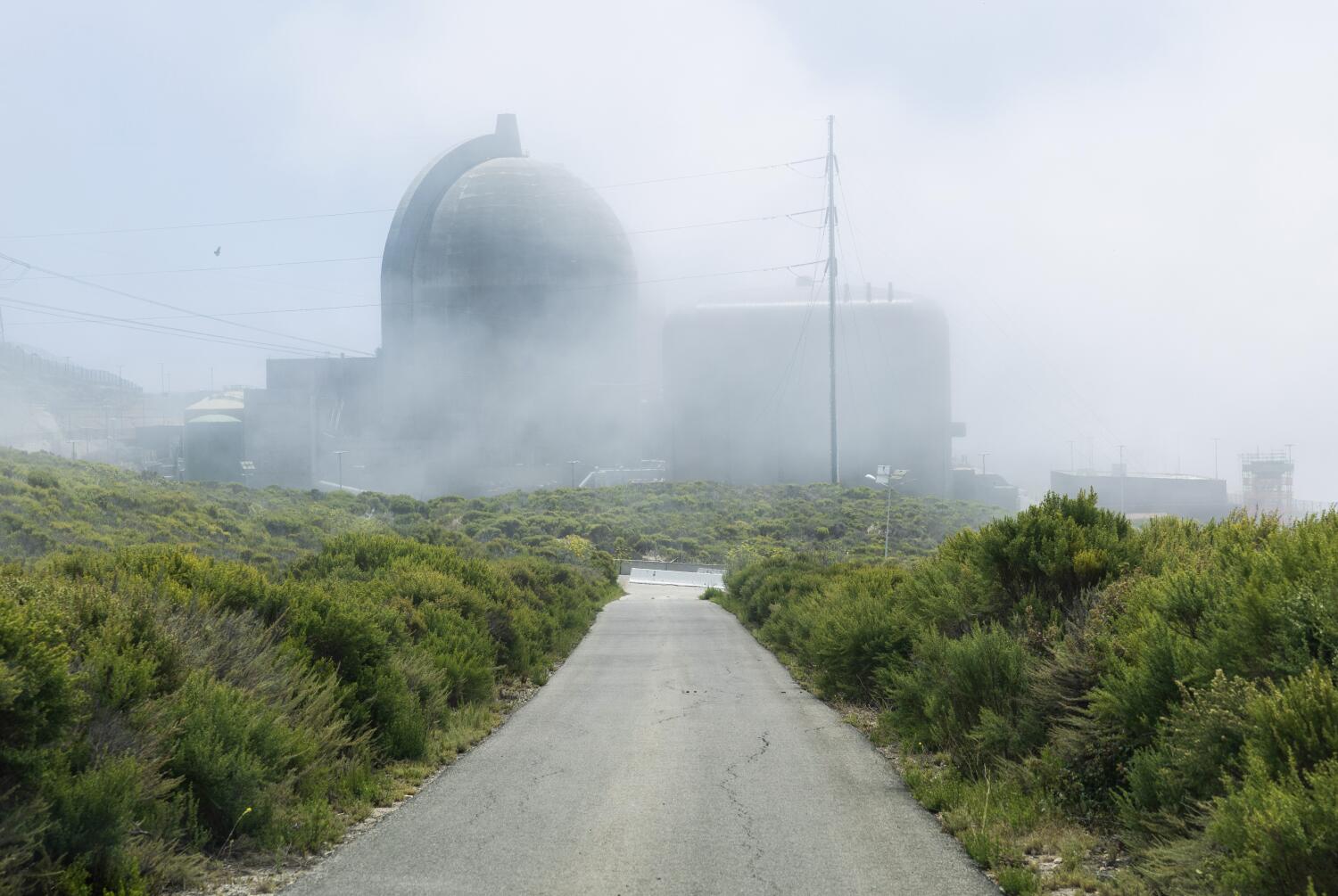
People love to panic about nuclear energy. Mention splitting atoms, and public discourse instantly reverts to fears of meltdown, radioactive waste cascading into local water supplies, and exorbitant construction price tags. Headlines fuel this anxiety. Critics routinely label nuclear power as the most dangerous and unreliable form of electricity generation we have.
That claim falls apart under basic scrutiny.
When you look at actual operational data from the World Nuclear Association and the U.S. Energy Information Administration, reality looks entirely different. Nuclear plants operate with a capacity factor exceeding 92 percent. They run flat out, day and night, through heatwaves and blizzards. Solar panels sit idle at night. Wind turbines stand still on calm afternoons. Calling nuclear unreliable ignores how baseload power actually keeps modern societies running without blackouts.
Safety statistics paint a similarly surprising picture. Per terawatt-hour of electricity generated, nuclear energy causes fewer deaths than almost any other source. Coal, oil, and natural gas release air pollution that kills millions annually via respiratory and cardiovascular illnesses. Even solar and wind manufacturing involve industrial accidents and material processing hazards that put coal-generated nuclear safety records to shame. When operated under modern regulatory frameworks, commercial fission plants produce zero greenhouse gas emissions and maintain containment standards that make catastrophic failures statistically near-impossible.
Cost overruns remain a legitimate grievance. Building a multi-gigawatt reactor takes billions of dollars and years of bureaucratic red tape. Projects like Vogtle in Georgia faced notorious delays and budget explosions. But treating this as an inherent flaw of nuclear physics rather than a failure of modern project management and financing models is a mistake. Countries like South Korea and France have repeatedly demonstrated that standardized builds and consistent regulatory environments can deliver reactors on time and within budget.
Ignoring nuclear energy means resigning ourselves to fossil fuels when the wind stops blowing. If you care about cutting carbon emissions fast while keeping the lights on, you have to look past outdated Cold War phobias.
Start evaluating energy sources by their actual output and safety records rather than emotional soundbites. Look at regional energy mixes, support streamlined regulatory paths for next-generation small modular reactors, and push local utilities to prioritize firm, clean baseload capacity over magical thinking.