Foreign policy commentators and mainstream news desks treat the arrival of Russian Foreign Minister Sergey Lavrov on American soil for a G20 meeting as a dramatic geopolitical shockwave. According to standard diplomatic coverage, every handshake, motorcade route, and bilateral seating arrangement signals either an impending thaw in U.S.-Russia relations or an embarrassing breach of Western isolation strategies.
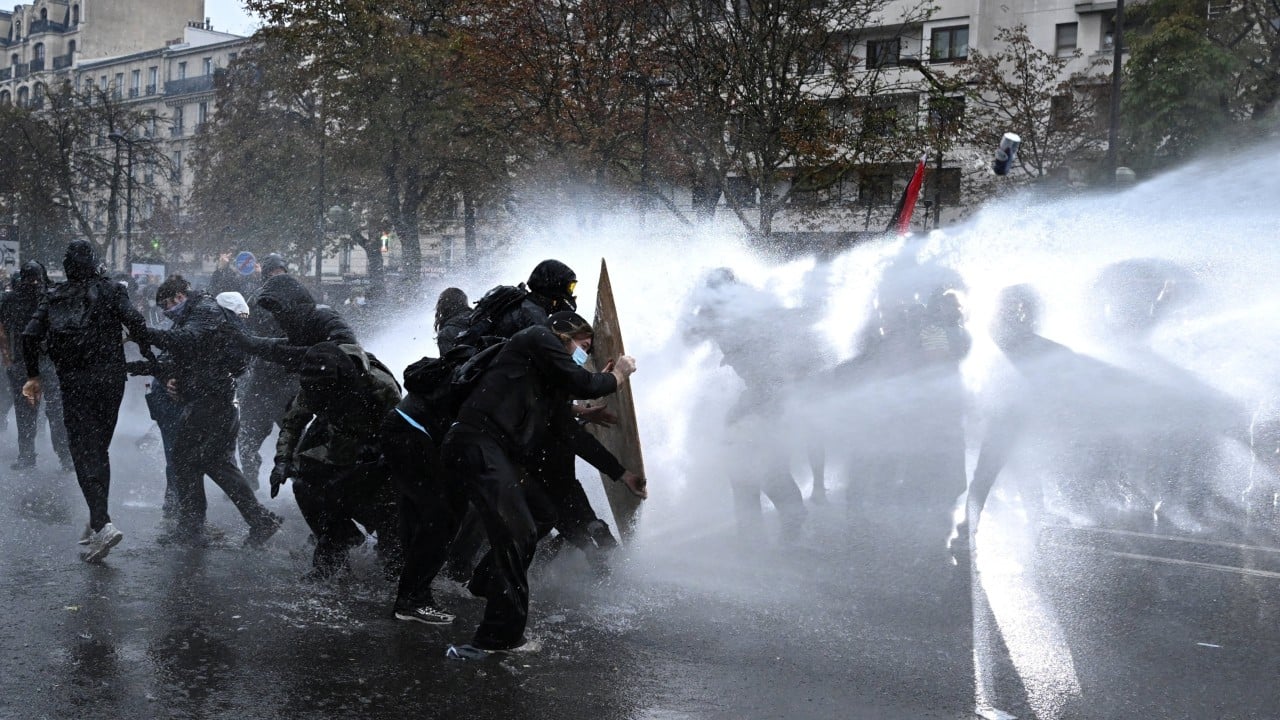
That framing misunderstands how modern multilateral summits actually operate. Also making headlines in related news: Inside the Street Violence Trap Threatening France and Hong Kong Movements.
When analysts fixate on the optics of a senior Russian diplomat stepping off a plane in the United States, they confuse diplomatic protocol with strategic concession. International relations scholars and veteran practitioners of multilateral diplomacy have long pointed out that host-country obligations under international forum rules are strictly procedural, not ideological.
The Myth of Diplomatic Isolation
A common assumption in popular commentary is that multilateral forums like the G20 function as exclusive clubs for ideological allies. Under that view, allowing a sanctioned foreign minister to attend a summit on American soil looks like a contradiction in Western foreign policy. More details on this are explored by The Washington Post.
In reality, the G20 was never designed as a values-based alliance. Established in 1999 in the wake of the Asian financial crisis and elevated to a leaders' summit in 2008, the group exists specifically to manage systemic global risks among nations with competing interests. According to diplomatic historians and think tanks such as the Council on Foreign Relations, the entire utility of the G20 rests on keeping major economies—including adversaries—at the same table when traditional bilateral channels freeze.
Host nations are bound by long-standing diplomatic norms to facilitate participation for all member states. Denying visas or blocking entry to an accredited delegation member does not punish the rival nation; it undermines the host country's credibility as a reliable convener of international institutions. When Washington hosts a G20 ministerial or leaders' gathering, granting entry to Moscow's top diplomat is a baseline requirement of hosting, not a policy pivot.
Optics Versus Actual Leverage
Media coverage frequently treats Lavrov's presence as a public relations victory for the Kremlin. Observers argue that standing alongside Western counterparts allows Moscow to project normalcy and challenge narratives of global isolation.
Diplomatic practitioners view the dynamic differently. High-level multilateral meetings rarely produce sudden breakthroughs on entrenched conflicts, yet they serve vital intelligence and signaling functions that cannot be replicated through public statements or backchannel cables.
- Direct Signaling: In crises where miscalculation carries severe risks, face-to-face proximity allows diplomats to read tone, urgency, and domestic constraints firsthand rather than relying on filtered intelligence assessments.
- Coalition Management: For Washington and its European partners, attending the same forum as Russia is essential for engaging non-aligned G20 members—such as India, Brazil, South Africa, and Indonesia—who consistently reject efforts to turn economic summits into exclusive Western blocs.
- Controlling the Agenda: Boycotting or excluding a major participant often hands that participant an easy narrative of Western obstructionism among Global South nations. Participating directly forces Moscow to defend its positions in front of neutral powers whose trade and diplomatic support it actively courts.
What Analysts Get Wrong About Sanctions and Travel
Another frequent point of confusion centers on personal sanctions. Readers often ask how an official subject to strict asset freezes and travel bans can legally enter the United States.
Sanctions regimes administered by the U.S. Department of the Treasury and the Department of State almost always include explicit carve-outs for official diplomatic travel tied to multilateral organizations. Just as Russian diplomats regularly travel to New York for United Nations General Assembly sessions despite sweeping bilateral restrictions, G20 participation falls under narrow, purpose-specific diplomatic exemptions.
These exemptions are tightly controlled. Visas are typically restricted to specific dates, designated transit routes, and official meeting venues. Treating a tightly regulated diplomatic visa as a collapse of sanctions enforcement misrepresents how international law and statecraft function in practice.
The Limits of Summit Diplomacy
There are clear downsides to maintaining engagement within forums like the G20 during periods of acute geopolitical friction. Critics of continued Russian participation argue that joint communiqués become watered down, consensus statements stall over language regarding territorial integrity, and hours of diplomatic bandwidth are consumed by procedural disputes rather than global economic coordination.
Those criticisms carry real weight. Over recent G20 cycles, finance ministers and foreign ministers have repeatedly struggled to issue unified declarations, forcing host nations to rely on "Chair's Summaries" instead of consensus communiqués.
Yet the alternative—splitting the world's premier economic forum into rival, non-communicating blocs—carries steeper long-term costs. Global debt restructuring, supply chain stability, climate finance, and energy market volatility cannot be managed effectively if major commodity producers and nuclear powers operate entirely outside shared institutional frameworks.
Reading the Real Signals at the G20
Evaluating the significance of Lavrov's trip requires looking past airport arrivals and press conference soundbites. Analysts who track substantive outcomes focus on three concrete indicators:
- Bilateral Pull-Asides: Whether U.S. officials hold unscheduled, substantive discussions with Lavrov on narrow operational issues—such as prisoner exchanges, embassy staffing, or strategic stability—matters far more than formal plenary speeches.
- Global South Alignment: How major emerging economies position themselves during closed-door sessions reveals whether Western or Russian diplomatic arguments are gaining traction outside Europe and North America.
- Working-Level Outcomes: Progress on technical tracks—such as multilateral development bank reform or sovereign debt frameworks—shows whether the G20 can still deliver functional governance despite high-level political gridlock.
Sergey Lavrov arriving in the United States is neither a diplomatic surrender by Washington nor a triumph for Moscow. It is the routine mechanics of great-power diplomacy operating exactly as designed when formal relations are at their lowest ebb.