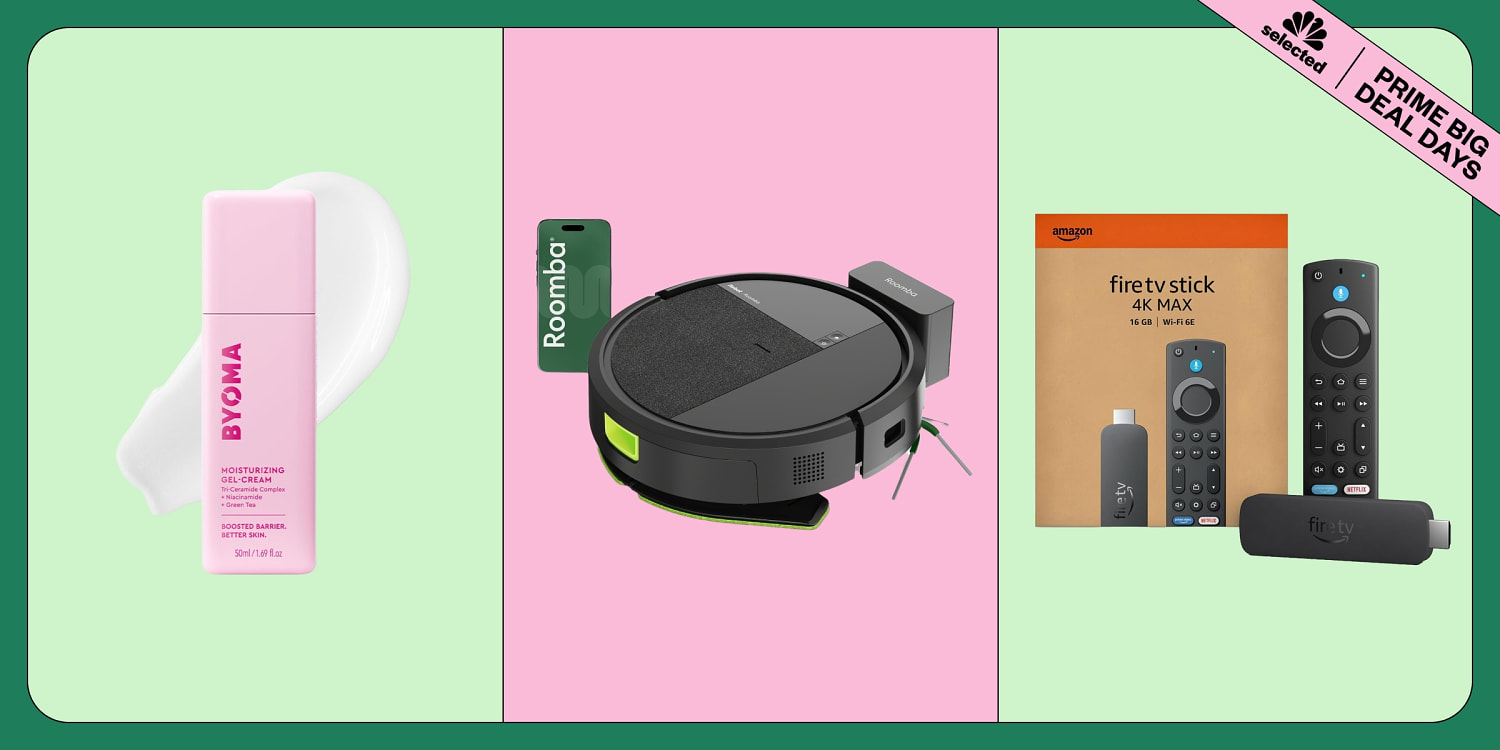
Retailers are manufacturing shopping holidays out of thin air. When October Prime Day events arrive, they bring a familiar wave of breathless listicles promising dozens of hand-picked deals worth your attention. Behind the curated roundups and artificial urgency lies a grueling war of attrition. Major e-commerce players are no longer just responding to consumer demand; they are aggressively preempting the traditional holiday shopping window, reshaping consumer psychology, and quietly straining supply chain economics to the breaking point.
The strategy is simple on the surface. Create a mid-autumn retail catalyst to pull holiday spending forward, lock in Prime subscriptions before the fourth-quarter crunch, and starve competitors of liquidity. Yet, digging beneath the surface of these October promotions reveals a complex web of margin erosion, inventory management gymnastics, and consumer fatigue.
The Mechanics of Manufactured Urgency
October shopping events did not emerge from organic consumer habits. They were engineered out of necessity. Retailers faced a massive structural problem: the gap between July Prime Day and Black Friday was a dead zone for revenue velocity.
For years, the fourth-quarter retail surge relied entirely on November and December. By introducing a secondary tentpole event in October, corporate strategists achieved two immediate goals. First, they converted casual browsers into locked-in subscribers ahead of peak shipping season. Second, they cleared out stubborn summer inventory before new seasonal shipments arrived, avoiding costly warehouse storage fees.
The catch is that this velocity comes at a steep cost. When discounts are forced across consumer electronics, smart home hardware, and everyday essentials twice a year, consumer baseline expectations shift. Why pay full price in November when another massive discount event happened just weeks prior? Shoppers have become conditioned to wait for the red-tag banner. This dynamic turns retail giants into prisoners of their own promotional calendar. They must keep running the events simply to match year-over-year revenue baselines, even as the profit margins on discounted volume shrink.
Inventory Gymnastics and the Supply Chain Squeeze
Managing an October mega-sale requires an extraordinary logistical tightrope walk. Goods must arrive at fulfillment centers by late summer, tying up capital months ahead of traditional schedules.
Consider the plight of third-party merchants who populate these marketplace ecosystems. Big-box platforms dictate the rules of engagement. When an October sale is announced, sellers face an agonizing choice. Participate with deep discounts and accept razor-thin margins, or sit out the event and watch their search visibility plummet while competitors capture the algorithmic spotlight.
The financial exposure is real. A mid-sized electronics accessory manufacturer running a hypothetical 30 percent discount to secure placement in a major October roundup must absorb immediate margin compression. If the volume spike does not materialize as projected, that same merchant is left with bloated inventory and depleted cash flow just as they need to prep for Black Friday and Cyber Monday. The math rarely favors the independent operator. The system rewards scale and absorbs losses through sheer volume, while smaller players absorb the shockwaves.
The Attention Economy and Consumer Exhaustion
We are witnessing a fundamental shift in how shoppers process promotional noise. The sheer volume of curated lists highlighting forty, fifty, or a hundred must-buy items creates a cognitive paralysis.
When every product is marketed as an unmissable deal, nothing is truly urgent. Consumers are growing wise to the cycle. Analytics from previous autumn sales cycles indicate that while total gross merchandise value rises, the average order value for non-essential goods often flatlines. Shoppers use October events to buy household staples, detergent, paper goods, and heavily discounted first-generation streaming sticks. They bypass the discretionary luxury items that traditionally drive higher profitability for brands.
This behavioral shift disrupts traditional forecasting models. Retailers built their supply chains around the assumption of lucrative holiday impulse buys. Instead, they are finding a pragmatic, budget-conscious buyer base that treats October sales as a tactical utility rather than a shopping holiday celebration.
The Long-Term Cost of Constant Promotion
The race to dominate the autumn calendar carries strategic dangers that executives rarely discuss in earnings calls. By training consumers to buy only during markdown events, retailers are systematically dismantling brand equity.
When a product is perpetually on sale, its perceived value collapses. Premium manufacturers increasingly resist participating in these secondary blitzes, fearing dilution of their brand prestige. This creates a widening rift between marketplace platforms desperate for inventory and elite brands protecting their pricing power.
The cycle is self-perpetuating and increasingly difficult to reverse. Wall Street demands continuous growth, and management teams rely on promotional adrenaline shots to hit quarterly targets. Until market saturation forces a strategic reevaluation, the October shopping frenzy will remain a high-stakes gamble where the house collects data, the consumer hunts for utility, and the margins quietly erode in the background.