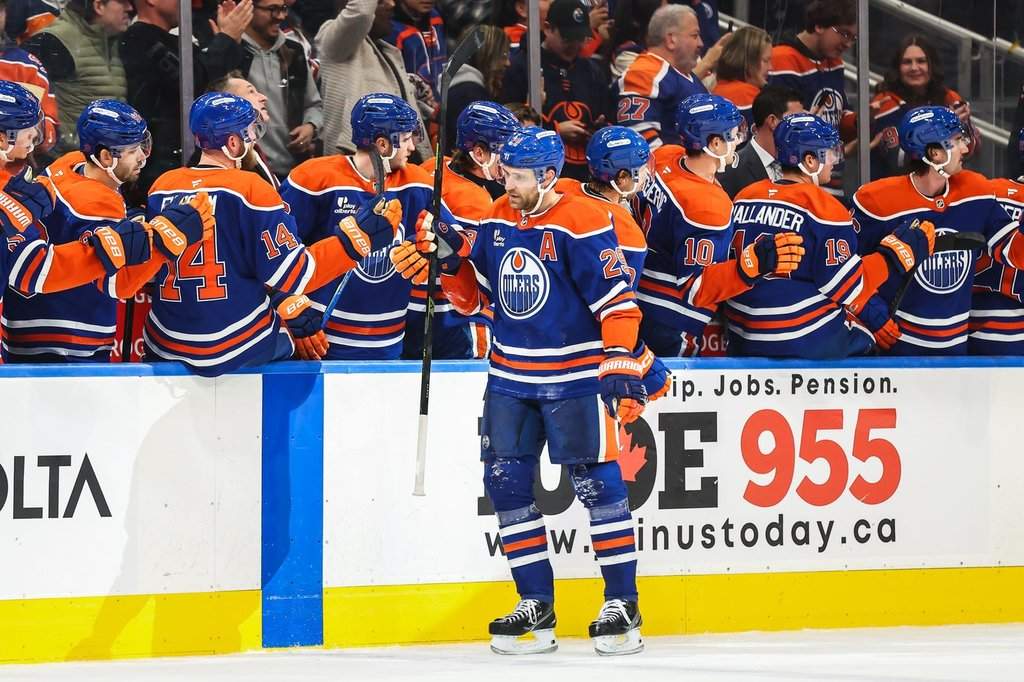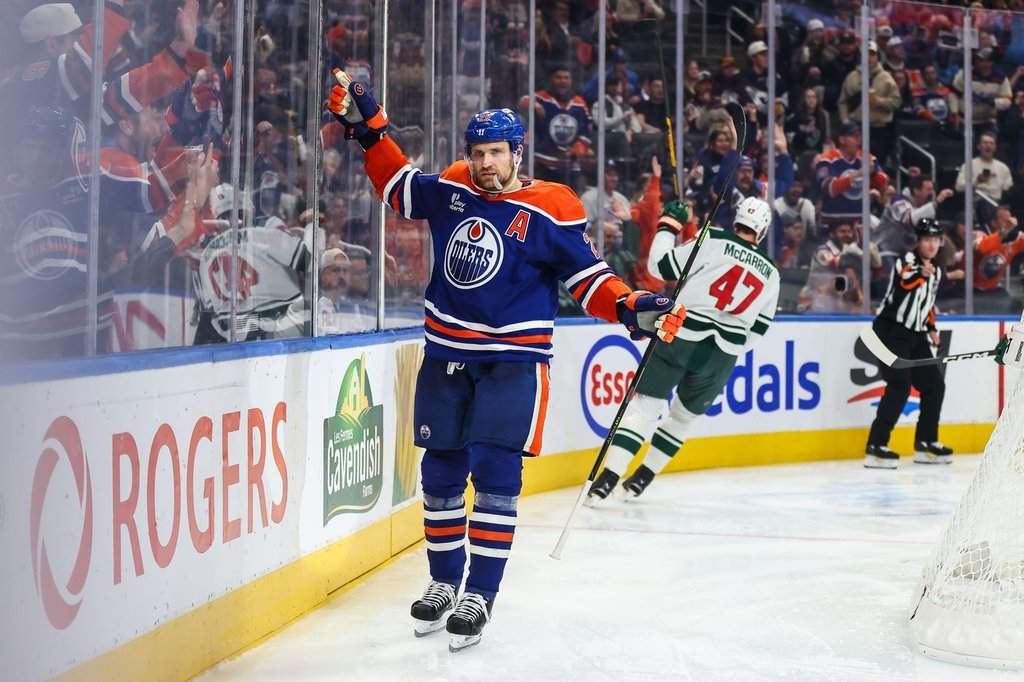
The Oilers fast start has put Edmonton at 17-4-3 with 37 points through 24 games, sitting atop the Pacific Division as of November 20, 2026.
Look at the standings and it looks like a coronation. Ten wins on the road (10-1-1), 93 goals scored, and a plus-28 goal differential. Even after Thursday night's 3-1 loss to the Tampa Bay Lightning in Tampa, Edmonton's early-season points pace is still absurd.
Here's the catch. If you only look at the win column, you're missing half the story.
How the Oilers Fast Start Built a Points Cushion
Edmonton hasn't drifted into first place by accident. Connor McDavid is piling up points at a staggering rate—sitting on 55 points (13 goals, 42 assists) across 23 games before Thursday's outing. Leon Draisaitl is right beside him with 21 goals and 44 points over that same stretch, while Evan Bouchard has posted 37 points and a massive plus-31 rating.
Road hockey used to trip Edmonton up during sluggish autumn stretches. Not this year. Winning ten of twelve away from Rogers Place takes real travel discipline, especially on back-to-backs and eastern swings.
Goaltending has also held up far better than critics expected going into the fall. Devon Levi has collected 10 wins with a 2.44 goals-against average and a .907 save percentage, while Tristan Jarry has posted a 2.45 GAA and a .912 save percentage. Having two netminders consistently keeping pucks out of the net gives the coaching staff room to breathe.
What the Underlying Numbers Actually Say
A shiny record doesn't mean the process is airtight. Dig into five-on-five analytics through the first month-plus of the 2026-27 season, and a very different picture emerges.
- Expected goals share: Edmonton has hovered around the bottom quarter of the NHL in five-on-five expected goal share (around 46% in early-November tracking), meaning opponents are routinely generating higher-quality looks when teams are at full strength.
- Shot and chance differential: Out-shot and out-chanced in plenty of wins, the Oilers have leaned heavily on finishing efficiency rather than territorial dominance.
- PDO and luck: A high five-on-five PDO (above 1.030) signals hot shooting and strong saves working together—a combination that almost always cools down over an 82-game grind.
Take the November 15 game in Philadelphia. Edmonton walked away with a 5-2 victory behind two Draisaitl tallies, yet the Flyers held a clear edge in five-on-five expected goals (2.27 to 1.14), high-danger chances (8-5), and shots on goal (35-21). A day earlier in Toronto, a 1-0 Oilers win played out on razor-thin margins.
Honestly, winning ugly games in November feels great when you're bankrolling playoff points early. Still, leaning on elite shooting luck and hot goaltending every night is a risky habit once February and March arrive.
Why Star Finishing Covers Up Five-on-Five Leaks
When you have McDavid and Draisaitl on the roster, a half-chance from 20 feet out can turn into a highlight-reel goal before another team's top line even gets set. That top-end talent masks defensive zone exits that take one pass too many or bottom-six shifts that get pinned in their own end.
In a short sample or a playoff series, clinical finishing can carry a team past a statistical underdog. Over 82 games, though, teams that lose the five-on-five chance battle night after night usually face a regression wave. You can see the flip side in Edmonton's own history: slow starts and rough stretches happen fast when puck possession tilts the wrong way.
Goaltending Help Is Real, Not a Mirage
One mistake people make when analyzing Edmonton is assuming every good save percentage is a fluke. Levi and Jarry have both given the Oilers steady performances, including shutout work earlier in the campaign and reliable saves during tough road stretches.
That said, goaltending is still the most volatile position in hockey. Asking netminders to bail out high-danger chances repeatedly—like on Thursday in Tampa, where Lightning skaters found space and Andrei Vasilevskiy shut the door on Edmonton's 24 shots—exposes what happens when the offense goes quiet.
What Matters Next for Edmonton
As Edmonton heads to Raleigh to face the Carolina Hurricanes on Saturday, November 21, the big question isn't whether the Oilers can score. We already know they can.
The real test is tightening five-on-five possession so their top stars aren't forced to win every night on sheer conversion rate. Watch how the coaching staff manages minutes for depth forwards like Vasily Podkolzin, Colton Dach, and Kasperi Kapanen, and whether defense pairings like Mattias Ekholm and Bouchard can tilt the ice more consistently.
If you're tracking this team for bets, fantasy, or playoff projections, track three things over the next ten games:
- Five-on-five shot and chance share: Look for Edmonton to push closer to or above 50% rather than relying on 1-goal or blowout outliers.
- Workload balance: Keep an eye on ice time for McDavid, Draisaitl, and Bouchard so fatigue doesn't creep in during dense travel weeks.
- Goaltending split stability: See how Levi and Jarry share starts through the winter grind without a drop in rebound control.