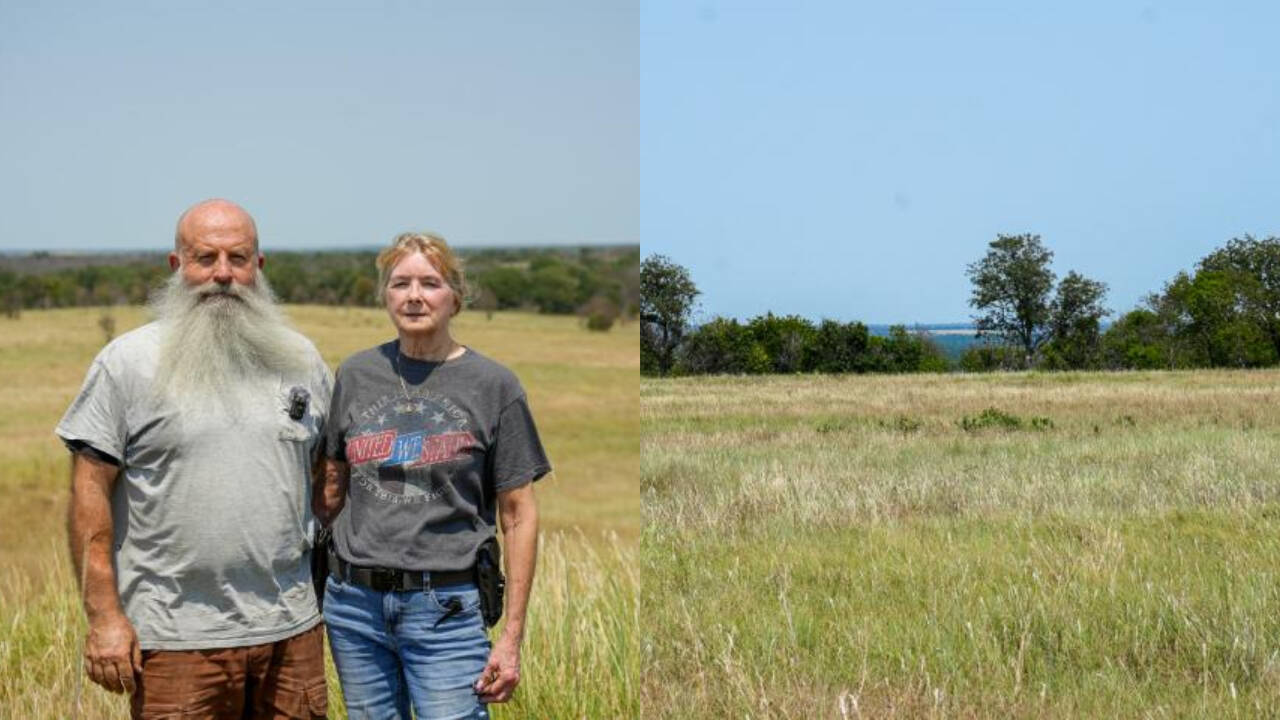
You can't fake land recovery. Mother Nature doesn't care about your good intentions or your five-year business plan. She responds to roots, water movement, and time. Most people look at an overgrazed, eroded 400-acre property and see a lost cause. They see gullies slicing through topsoil and cheatgrass choking out anything useful.
Veterans coming home often look for a mission that makes sense after the chaos of service. Transforming broken dirt into a functioning ecosystem hits differently. It's hard, physical labor that requires patience. When you take on a massive land restoration project, you sign up for years of getting your boots muddy while watching weather patterns ruin your best-laid schemes.
Stripping Away the Bad Management
Decades of neglect leave a mark. If you buy a standard 400-acre ranch in Oklahoma, you're usually inheriting someone else's shortcuts. Overstocking cattle, ignoring invasive species, and letting creek banks turn into mud slides will wreck a property fast.
You have to start by stopping the damage. Honestly, doing nothing is often the hardest part for driven people. You want to buy heavy machinery and start fixing things immediately. That ruins the soil structure further.
I've watched landowners try to bulldoze their way out of erosion problems. It never works. Water always wins.
Instead, you have to read the landscape. Where is the rain pooling? Which pastures are compacted to concrete? You look at historic aerial photos if you can find them. You talk to older locals who remember what the creeks looked like before the dams went in and the timber was cleared.
Restoring a piece of land like this 400-acre Oklahoma ranch means changing how you think about weeds. What most people spray with toxic chemicals is often just an early-succession plant doing its job. It's trying to hold down dying dirt. You don't kill it until you're ready to replace it with something better.
Bringing Back the Native Grasses
You can't just throw down grass seed from a big-box store and expect a prairie to form. Big bluestem, little bluestem, indiangrass, and switchgrass require specific conditions to establish. They invest massive amounts of energy underground first.
While the shoots look tiny above ground during the first year, roots are plunging ten feet deep. That is why native grasses survive Oklahoma droughts while introduced forages turn to dust.
Getting them back takes a mix of targeted controlled burns and managed grazing. Fire is the cheat code for tallgrass prairies. Indigenous tribes knew this centuries ago, and modern conservation science backs it up. A good burn strips away dead litter, warms the soil, and signals dormant native seeds that it's time to wake up.
When you reintroduce livestock, you cannot let them camp out by the water tanks. That creates the exact compaction and erosion you are trying to cure. You move animals fast, mimicking the massive bison herds that once roamed the plains. They graze, trample, poop, and move on. The land gets a long, necessary rest.
Healing the Waterways
Water is the lifeblood of any property. If your streams are carving deeper channels every time it rains four inches, your topsoil is washing down to the Gulf of Mexico.
Restoring streams means slowing the water down. You build small rock structures in eroding gullies to catch sediment and raise the bed back up to the floodplain. When water can spread out during a heavy storm, it drops its payload of dirt and recharges the groundwater table.
Within a few seasons, the changes show up. Deep pools form in the creeks again. Smallmouth bass and sunfish return. Beaver activity starts happening naturally, and while they can be a headache for landowners, their dams do incredible work restoring wetland pockets.
You notice the wildlife first. Bobwhite quail need the exact mix of bunchgrasses and bare ground that proper restoration provides. Turkey numbers tick up. Deer stop being just visitors and actually settle in because they have year-round cover and water.
The Reality Check on Rural Land Restoration
Nobody talks about the financial grind. Conservation isn't a quick flip. You aren't going to turn a degraded ranch into a pristine wildlife paradise in six months without spending a fortune on heavy earthwork.
Most people running these solo projects rely on off-farm income or government assistance programs like EQIP (Environmental Quality Incentives Program) through the USDA. These programs help pay for fencing materials, solar wells, and brush management. If you try to fund a massive ecological reset purely out of pocket while trying to run a commercial cow-calf operation, you'll go broke.
You also have to deal with neighbors who think you're crazy. When you stop mowing every square inch of your fence line and let native brush grow up to create wildlife corridors, traditional ranchers might shake their heads. They like clean lines and manicured pastures. Nature is messy. Biodiversity looks chaotic until you understand the mechanics behind it.
Take a hard look at your own property goals before buying acreage. If you want a golf-course lawn in the middle of Oklahoma, move to a suburb. If you want to watch a dead ecosystem snap back into a vibrant, water-retaining powerhouse, prepare to sweat.
Start with a soil test. Figure out what your local conservation district offers in terms of equipment rentals and free advice. Don't try to fix all 400 acres at once. Pick one pasture, get it right, and let the success fund the next phase.
Get outside and look at your dirt today.