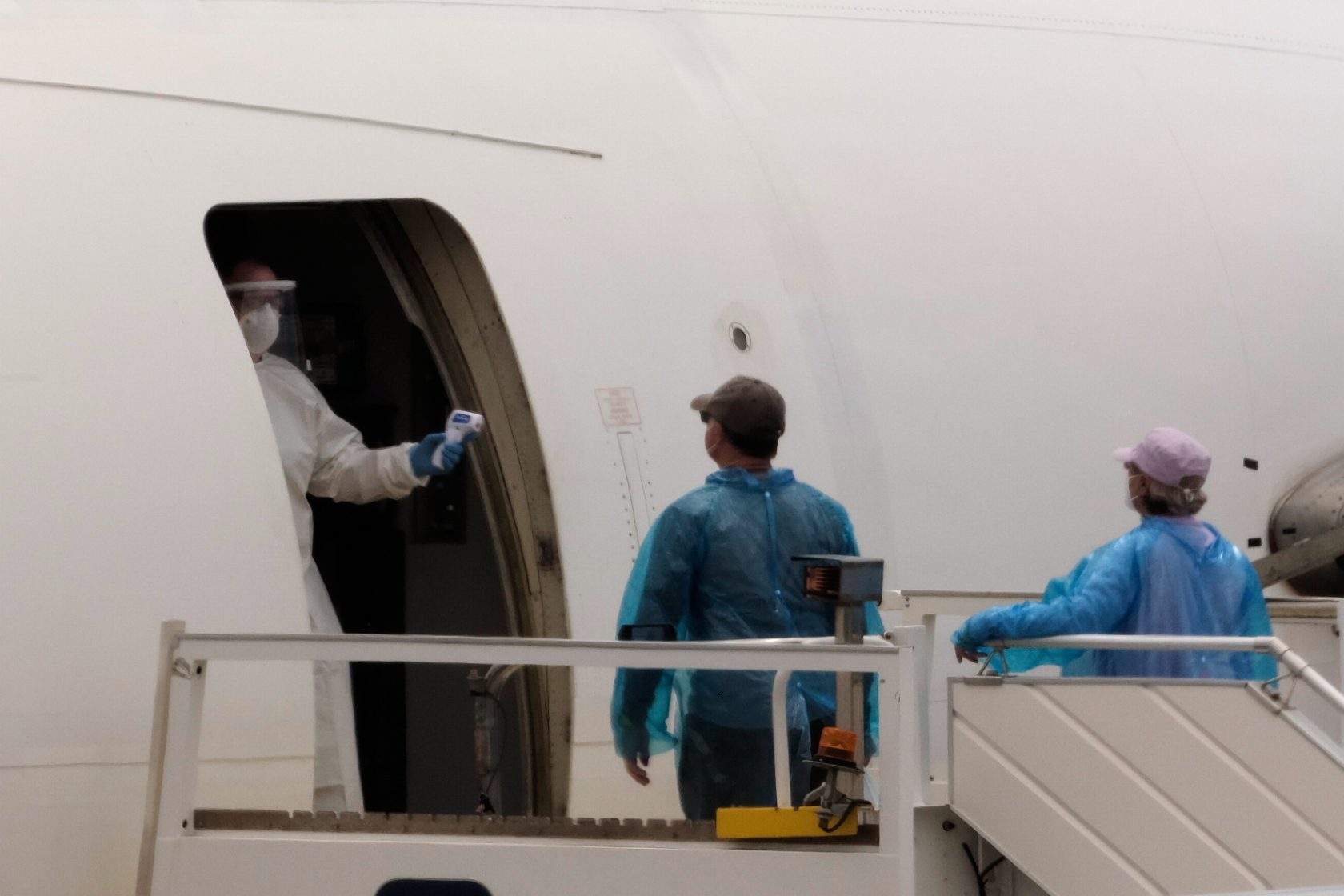
Public health officials in Ontario recently flagged seven additional individuals for isolation following potential exposure to hantavirus, a rare but frequently lethal respiratory disease. While these specific contacts are currently labeled low-risk, the incident underscores a troubling reality regarding North American viral surveillance. We are tracking a pathogen that kills one in three people it infects, yet our primary strategy remains reactive rather than proactive. The shift from a single case to a widening circle of monitoring highlights how quickly a localized biological event can strain regional health infrastructure.
Hantavirus Pulmonary Syndrome (HPS) isn't a new threat, but it is a misunderstood one. It does not spread through human-to-human contact like the flu or COVID-19. Instead, it is a "silent" spillover from nature. When someone breathes in dust contaminated with the saliva, urine, or droppings of infected rodents—specifically deer mice—the virus takes root. The incubation period is a ticking clock, lasting anywhere from one to eight weeks. By the time symptoms like severe muscle aches and shortness of breath appear, the lungs are often already filling with fluid. For an alternative view, check out: this related article.
The Anatomy of a Spillover Event
The current situation in Ontario serves as a case study in rural vulnerability. Tracking seven people isn't just about logistics; it is about the difficulty of pinpointing exactly when and where a "dust-up" occurred. In many rural and semi-rural settings, the line between human habitation and rodent territory is blurred. Seasonal shifts often drive mice indoors, turning sheds, cottages, and barns into potential hot zones.
The challenge for investigators is the sheer resilience of the virus. Hantavirus can remain infectious in the environment for several days depending on temperature and humidity. A person cleaning out a garage they haven't touched in months can stir up a viral aerosol without ever seeing a live mouse. This invisibility is what makes the "low-risk" designation so precarious. It relies on the assumption that the viral load was minimal, yet there is no established "safe" threshold for inhalation. Related coverage regarding this has been provided by World Health Organization.
Why Rural Infrastructure is Falling Behind
Investigative look into the provincial response reveals a pattern of skeletal staffing. While urban centers have the luxury of dedicated epidemiological teams, rural health units often juggle multiple crises with limited resources. When a hantavirus case emerges, the manual labor of contact tracing—interviewing neighbors, checking job sites, and inspecting properties—diverts attention from other essential services.
The lack of specialized diagnostic equipment in smaller clinics also creates a lag. Samples often have to be sent to centralized provincial labs, eating up precious days. In a disease where the transition from "flu-like symptoms" to "respiratory failure" can happen in hours, a forty-eight-hour delay in lab results is unacceptable. We are fighting a high-speed virus with a low-speed bureaucratic engine.
The Hidden Economic Drivers of Rodent Proliferation
We cannot talk about hantavirus without talking about land use. Over the last decade, urban sprawl has pushed residential developments deeper into what was once undisturbed wilderness. This encroachment doesn't just displace wildlife; it creates a fragmented ecosystem where "generalist" species like the deer mouse thrive.
When we build luxury subdivisions in former forests, we remove the natural predators—hawks, owls, and foxes—that keep rodent populations in check. What remains is a high-density population of mice living in close proximity to humans.
Economic shifts also play a role.
- Property Abandonment: Vacant buildings during economic downturns provide perfect breeding grounds.
- Climate Variability: Milder winters in Ontario allow more rodents to survive the season, leading to a population explosion in the spring.
- Construction Booms: Breaking ground on new sites disturbs long-standing nests, sending infected animals into nearby homes.
These are not "acts of God." They are the direct results of how we manage our environment and our economy.
The False Security of Low Risk Labels
Labeling the seven contacts as "low-risk" is a communication strategy designed to prevent panic, but it may inadvertently lead to complacency. Public health messaging often focuses on the "what" (wear a mask, use bleach) but fails to address the "how" of long-term prevention.
If you are a contractor or a homeowner in Ontario, the standard advice is to wet down old droppings with a 10% bleach solution. But how many people actually do this? Most grab a broom or a shop-vac. Using a vacuum cleaner on hantavirus-infected material is essentially a biological weapon delivery system, turning a localized mess into a room-wide aerosol. The gap between official guidelines and actual human behavior is where the virus finds its victims.
Reevaluating the Surveillance Model
The current model is reactive. We wait for someone to show up in the ICU before we start looking for the source. A more effective approach would involve "sentinel surveillance"—regularly testing rodent populations in high-risk areas to map the viral load before it jumps to humans.
This requires funding that currently doesn't exist. It's easier for a politician to approve an emergency response budget than it is to fund a decade-long environmental monitoring program. But as we've seen with other zoonotic diseases, the cost of prevention is a fraction of the cost of a crisis.
Protecting the Frontline Worker
The individuals most at risk aren't just cottage owners; they are the people who keep our infrastructure running.
- Telecommunications Technicians: Entering crawl spaces and utility vaults.
- Pest Control Professionals: Direct contact with nests and waste.
- Agricultural Laborers: Working in grain silos and barns where rodent density is highest.
For these workers, the "low-risk" narrative is a myth. They are exposed daily. Occupational health and safety regulations need to move beyond simple suggestions and toward mandatory, high-level respiratory protection (N95 or better) for any work involving confined spaces in rural areas. Employers often balk at the cost of PPE or the time required for proper training, but the alternative is a worker’s compensation nightmare and a preventable death.
The Reality of Clinical Management
There is no cure for hantavirus. There is no vaccine. There is only supportive care. This means that survival is almost entirely dependent on the quality of the hospital's intensive care unit.
In many parts of Ontario, the nearest hospital with an extracorporeal membrane oxygenation (ECMO) machine—which can breathe for a patient when their lungs fail—is hundreds of kilometers away. If a patient in a remote area waits too long to seek help, or if the local doctor misdiagnoses the early symptoms as a common cold, the window for a life-saving transfer closes.
The medical community needs a higher index of suspicion. Every "summer flu" in a rural patient should be treated as a potential hantavirus case until proven otherwise. We need to stop waiting for the classic signs of respiratory distress and start looking at the patient's environment.
Shifting the Burden of Responsibility
We have spent decades telling individuals to "be careful." It hasn't worked. The number of cases may be small, but the severity remains absolute. True progress requires a systemic overhaul.
Municipalities must integrate pest management into their building codes. Real estate disclosures should include history of rodent infestation in the same way they include lead paint or mold. Most importantly, the provincial government must stop treating these events as isolated incidents. They are symptoms of a changing relationship between our rural communities and the natural world.
The seven people currently in isolation will likely be fine. They will monitor their temperatures, wait out the weeks, and return to their lives. But they are a warning. The next person might not be so lucky, and the next spillover might not be so contained.
Stop sweeping out the garage with a dry broom. The dust you see in the sunlight isn't just dirt; it could be a death sentence. Use the bleach, wear the mask, and realize that the wilderness doesn't stay outside just because you shut the door.