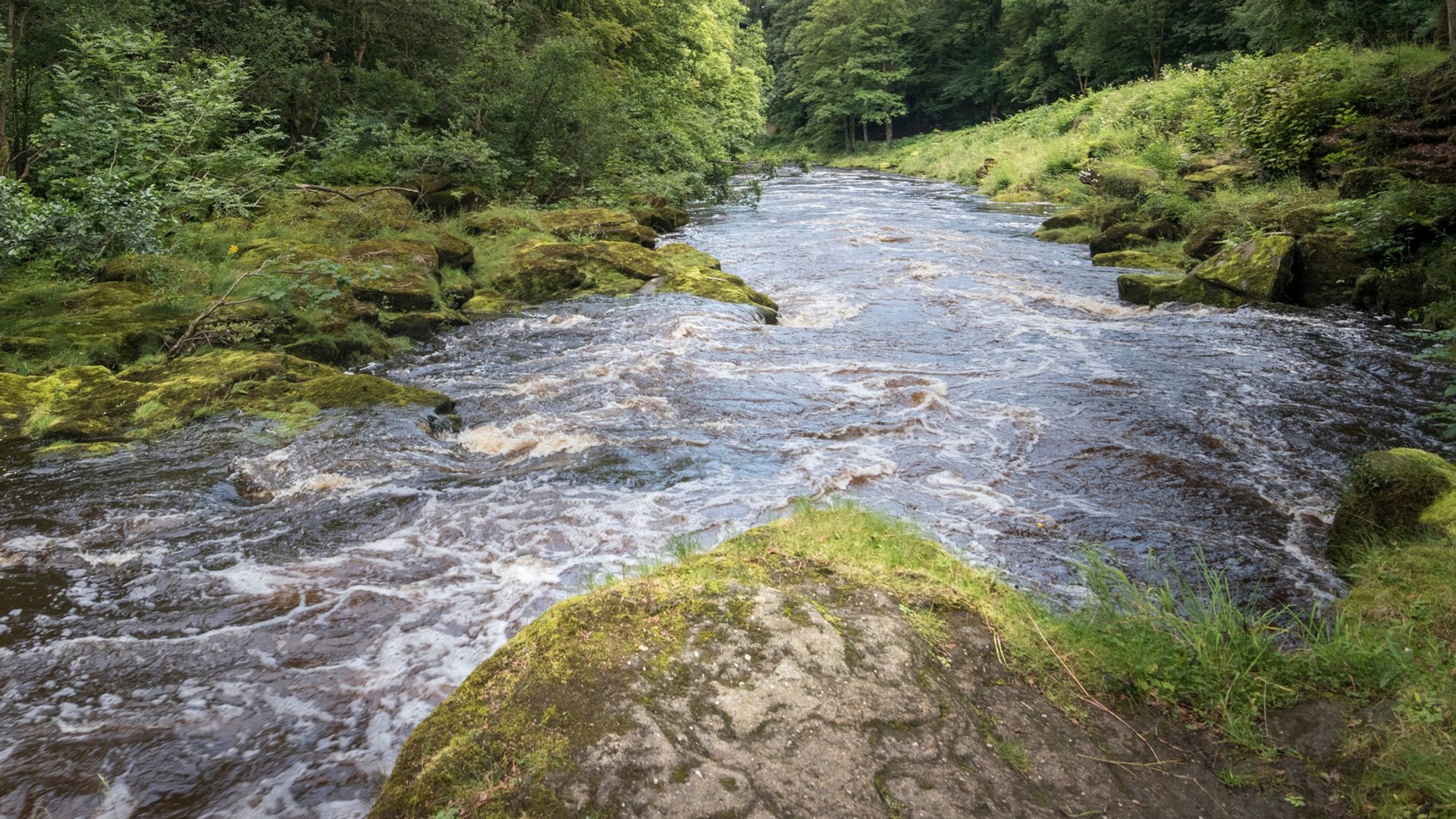
The recent heatwave across the UK has brought a horrific reality to light. What started as a record-breaking stretch of May sunshine quickly turned into a national tragedy. Over just eight days, 17 people have lost their lives in open water incidents across the country.
The latest heartbreak involves a 13-year-old girl who passed away after being rescued from a river. Emergency services pulled her from the water, but despite their best efforts, she couldn't be saved. Her death follows a string of similar incidents over the Bank Holiday weekend and half-term break. Young teenagers and children make up the vast majority of these victims.
When the air temperature spikes, jumping into a local river, lake, or reservoir feels like the perfect way to cool down. It isn't. The brutal truth is that our inland waters hide lethal hazards that even strong swimmers can't overcome. Understanding why these environments are so deadly is the only way to prevent more families from enduring this unimaginable grief.
The Invisible Killer Called Cold Water Shock
You see a glittering river on a hot day and assume the water is warm. That's a massive mistake. Even during an intense heatwave, inland waters in the UK remain incredibly cold, often hovering around winter temperatures. The contrast between hot skin and freezing water triggers an involuntary physiological reaction known as cold water shock.
It doesn't matter how fit you are. It doesn't matter if you can swim lengths in a heated indoor pool.
When your body hits that cold water, your instinct is to gasp for air. This sudden, uncontrollable gasp causes you to inhale water directly into your lungs. At the exact same time, your blood vessels constrict rapidly, causing a massive spike in blood pressure and heart rate. For some, this triggers immediate cardiac arrest. For others, the sudden loss of muscle control means they sink within seconds, unable to swim even a few yards back to the bank.
Data from the Royal Life Saving Society UK (RLSS UK) confirms that sudden exposure to cold water is the primary driver of accidental drownings during summer spells. The air is hot, but the water is a trap.
Hidden Dangers Beneath the Surface
Rivers and reservoirs aren't swimming pools. They aren't managed, cleaned, or leveled out. When you look at a stretch of open water, you only see the surface. You don't see what's lurking right underneath.
- Sudden Drop-Offs: You might be wading in waist-deep water one second, and the next, the riverbed drops by ten feet. This sudden loss of footing causes instant panic, leading to water inhalation.
- Strong Undercurrents: Rivers look calm on top but can have violent undercurrents beneath. These currents can sweep a teenager away faster than an adult can run along the bank to catch them.
- Submerged Debris: Fallen trees, shopping trolleys, broken glass, and discarded fishing lines litter the bottoms of wild swimming spots. Getting your foot caught in underwater debris while fighting a current is a lethal combination.
- Toxic Slurry and Machinery: Reservoirs are working industrial sites. They use hidden pipes and pumping machinery that create massive downward suction.
Moving Water Safety Into the Classroom
The scale of this recent tragedy has triggered fierce demands for immediate structural change. Right now, drowning prevention organizations are calling on schools to change how they teach water safety.
Currently, water safety is part of England's Relationships, Health and Sex Education (RHSE) curriculum. However, many schools delay these lessons until the autumn term. Experts point out that waiting until September is completely useless for kids facing a scorching summer. The RLSS UK and grieving families are demanding that open water safety lessons happen before schools break up for the six-week summer holidays.
We need to teach kids about cold water shock, undercurrents, and rescue techniques while the sun is still shining, not after the tragedies have already occurred.
How to Actually Survive If You Get Into Trouble
If you or a friend do end up in the water, knowing exactly what to do can mean the difference between life and death. Forget everything you think you know about swimming harder against a current. It will only exhaust you and kill you quicker.
The Royal National Lifeboat Institution (RNLI) champions a specific survival technique called Float to Live. If you fall into deep water or feel panic setting in, you need to follow these steps immediately.
First, fight your instinct to thrash around. Lean right back into the water, tilting your head back so your ears are completely submerged. Gently expand your chest and use your arms and legs to stay afloat.
Don't try to swim yet. Just focus on controlling your breathing and staying calm until the initial cold water shock passes. Once your breathing settles down, you can then call out for help or map out a safe route back to land.
If you are standing on the bank and see someone else struggling, do not jump in after them. Too many people die trying to perform heroic rescues. Instead, call 999 instantly and ask for the fire service, as they have the specialized tools for inland water rescues. Look around for a life ring, a throw line, or even a thick branch. Shout instructions to the person in the water, telling them to flip onto their back and float. Keep your eyes on them so you can point out their exact location to the rescue teams the moment they arrive.
Talk to your kids about this today. Don't assume they know the risks just because they know how to swim.