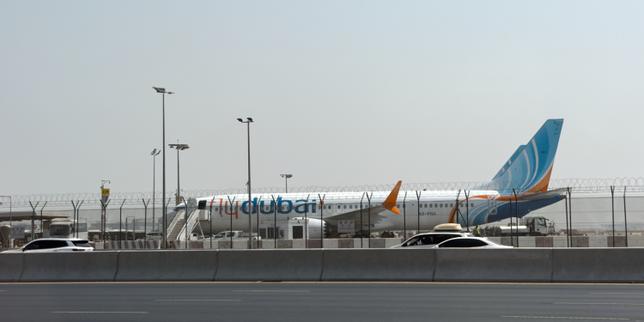
When a commercial flight is diverted to an unexpected sovereign territory due to internal operational failure, the event ceases to be an ordinary transit disruption and becomes a complex study in crisis management, aviation security, and geopolitical friction. The recent incident involving an Israel-bound flight forced down in Saudi Arabia following an altercation between flight deck personnel highlights a critical vulnerability in modern aviation: the human element within a highly automated, tightly coupled system.
Commercial aviation relies on a fundamental assumption of sterile, synchronized crew resource management. When that fails inside the restricted environment of a flight deck, the cascading effects immediately trigger emergency protocols, international diplomatic notifications, and complex air traffic management re-routing. Deconstructing this event requires an examination of the systemic pressures, immediate operational responses, and regulatory mechanisms that govern mid-air emergencies in politically sensitive airspace.
The Architecture Of Flight Deck Governance And Crew Resource Management
Modern flight operations are structured around redundancy and strict procedural compliance. Two pilots command the aircraft, operating under a division of labor designed to prevent single-point failures. Crew Resource Management protocols mandate clear communication, shared situational awareness, and the mitigation of interpersonal conflict through standardized protocols.
When a physical dispute erupts between the pilot in command and the first officer, the primary safety barrier of the aircraft is compromised. The immediate consequence is a total breakdown of the multi-crew concept. In such scenarios, the operating environment shifts from routine navigation to an emergency mitigation state. The remaining functional pilot must secure the flight deck, assess aircraft integrity, and initiate contact with air traffic control while managing an incapacitated or hostile co-pilot.
The mechanics of this intervention involve several rigid operational phases:
- Securing physical access to prevent further escalation within the confined workspace of the cockpit.
- Evaluating the mental and physical fitness of the involved crew members under international aviation medical standards.
- Transferring sole control of the flight path to a single competent authority within the flight deck.
Emergency Diversion Protocols In Restricted Regional Airspace
Diverting an aircraft is a standardized procedure governed by international civil aviation guidelines, but executing a diversion over or near politically sensitive or closed airspace introduces severe tactical friction. When a flight bound for Israel experiences an in-flight crisis requiring immediate landing, the nearest suitable runway is selected based on fuel state, runway length, weather minimums, and aircraft weight.
Saudi Arabia historically restricted its airspace for flights originating from or bound for Israel, though diplomatic shifts and regional air corridor openings have altered routing permissions in recent years. An emergency declaration under international aviation law compels any sovereign state to render assistance, accept the aircraft, and provide safe harbor to passengers and crew, regardless of political tensions or bilateral relations.
The decision matrix for the flight crew during this emergency involves balancing several competing variables:
- Fuel burn rates and total endurance remaining following the operational disruption.
- Diplomatic and security implications of landing in a jurisdiction without pre-established station support or handling agreements.
- Immediate ground-handling security for passengers, particularly on flights involving politically sensitive nationalities or destinations.
Geopolitical And Regulatory Aftermath
An unscheduled landing of an international commercial airliner in a non-destination country triggers an immediate multi-agency response. Aviation authorities, including the state of registry, the airline's home regulatory body, and the host nation's civil aviation authority, launch parallel investigations.
The legal and diplomatic ramifications extend beyond standard safety inquiries. The host nation must manage the temporary entry of passengers who may lack valid visas for that jurisdiction, coordinate security perimeters with local law enforcement, and arrange for replacement flight crews or secure repatriation flights. Simultaneously, the airline faces immense reputational damage, intense regulatory scrutiny regarding its pilot vetting and psychological monitoring processes, and significant financial loss associated with fuel dumping, landing fees, passenger compensation, and aircraft repositioning.
The incident underscores the reality that despite advanced avionics, satellite communications, and fly-by-wire automation, commercial flight safety remains inextricably bound to the psychological stability and cooperative behavior of the two individuals occupying the flight deck. Systemic resilience requires continuous refinement of pilot mental health screening, stricter enforcement of Crew Resource Management compliance, and robust monitoring frameworks to detect interpersonal friction before it manifests as an operational crisis.