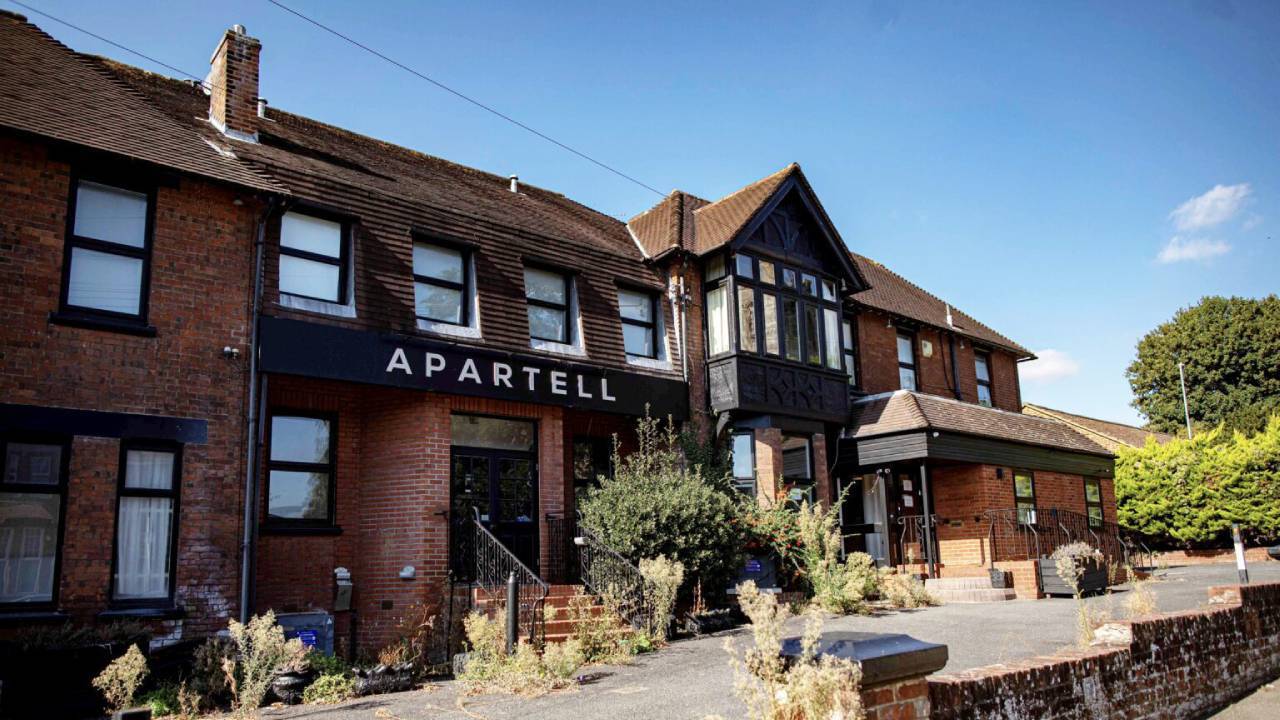
Maidstone residents are melting down over a former hotel conversion into forty-two micro-studios meant to house sixty-five people. Over three hundred objections poured into the council chamber. People are clutching pearls about parking capacity, property values, and character preservation. It is the exact same tired script played out in every municipality across the country whenever someone tries to build a door for a human being to walk through.
The public believes protecting their neighborhood from density preserves wealth. They think fewer neighbors mean less congestion, cleaner streets, and higher resale values. They are wrong. They are defending a burning house and calling it asset management.
Let us look at the mechanics of what is actually happening. When a town rejects forty-two studios, they do not stop sixty-five people from existing. They simply force those sixty-five people to outbid them or someone else for the existing, finite housing stock further up the ladder. Every single blocked micro-unit translates directly into inflated rents on family homes and crushed purchasing power for young professionals trying to get a foothold in the local economy.
I have watched local councils blow millions of pounds in legal fees fighting densification projects, only to watch their own children pack their bags and move to major metropolitan hubs where landlords actually build supply. The local electorate thinks they are winning a defensive war against change. In reality, they are staging a slow-motion demographic execution of their own towns.
Property values in restrictive zones do not rise because the neighborhood is pristine. They rise because supply has been artificially choked to the point of structural failure. When you make it illegal or socially toxic to build efficient, compact housing, you price out the nurses, the baristas, the junior accountants, and the teachers who keep the local infrastructure functioning. Then residents stand around wondering why local response times are slipping and why the high street is turning into a ghost town of charity shops and empty storefronts.
The objection list in Maidstone reads like a masterclass in economic illiteracy. Residents cite parking spaces as if an asphalt lot is a sacred civic monument. They talk about overstretched public services while refusing to allow the tax base to expand through efficient infill development. You cannot freeze a town in amber without turning it into a museum piece for the wealthy retired class while everyone else gets priced out to the industrial fringe.
Let us dismantle the core premise behind the anti-density panic.
The Fallacy of the Character Argument
Every neighborhood association weaponizes the phrase character preservation. It sounds noble. It invokes heritage, stability, and community cohesion. It is actually a code word for exclusionary zoning.
When people complain that a modern conversion does not match the architectural aesthetic of a Victorian terrace or a suburban cul-de-sac, they are engaging in aesthetic tyranny. Architecture is not static. A town that refuses to adapt its built environment is a town that is dying. The conversion of an obsolete hotel into efficient studios is not an assault on heritage. It is a logical recycling of commercial real estate that has passed its economic expiration date. Hotels convert into apartments because tourism patterns shift and business travel changes. Fighting that evolution is like protesting the invention of the automobile because it scares the horses.
The economic reality is stark. Small-format housing is the only antidote to the housing affordability crisis. Not government subsidies, not rent controls, and not wishful thinking from politicians. Supply solves price. If you do not build small units for single workers, young couples, and seniors looking to downsize, those people will consume larger family homes simply because nothing else exists. One person occupying a three-bedroom suburban house because studio apartments are banned is a massive misallocation of housing capital.
The Traffic Myth
The loudest screams from the Maidstone objectors involved traffic and parking. Three hundred objections pointing out that sixty-five people might own cars and clog up local side streets.
Let us run the actual math. A decommissioned hotel already generates traffic. Delivery trucks, housekeeping staff, guests checking in and out, event attendees, and conference traffic create a constant churn of vehicles. A forty-two-unit micro-studio complex targeted at transient workers, young professionals, and single occupants often generates significantly less peak-hour traffic than a commercial operation running at full tilt.
Furthermore, residents of micro-studios are statistically far more likely to use public transit, walk, or cycle than families jammed into suburban sprawl. By fighting high-density urban conversions, objectors guarantee that people must live further out, buy more cars, and drive longer distances into town every single morning. The anti-density crowd creates the exact traffic jam they claim to be preventing.
The Developer Boogeyman
Another favorite pastime of the local objector is casting the developer as a cartoon villain extracting rent from the community while destroying local infrastructure.
This view ignores basic market dynamics. Developers do not set prices; supply and demand set prices. When development is heavily restricted, the few projects that do squeak through approval processes are luxury builds because high regulatory costs and lengthy legal battles make low-margin micro-housing financially impossible. If you want affordable housing, you have to make building easy and cheap. Every delay, every consultation period, and every legal challenge adds tens of thousands of pounds to the final cost of a unit. The objectors who demand endless reviews are the primary architects of high rents.
If you want to fix the housing crisis in towns like Maidstone, you stop listening to the loudest homeowners in the room who treat their property deeds like feudal lords treating land grants. You strip away discretionary planning hurdles, you penalize landowners who sit on empty commercial real estate hoping for a windfall, and you let the market build compact, high-density spaces where people actually want to live.
Stop protecting parking lots. Start building doors.