Chasing the perfect shot on a rugged coastline can turn dangerous in minutes. That harsh reality hit three tourists in mid-September 2026 when a routine photoshoot on an isolated stretch of the Oregon coast morphed into a high-stakes emergency rescue.
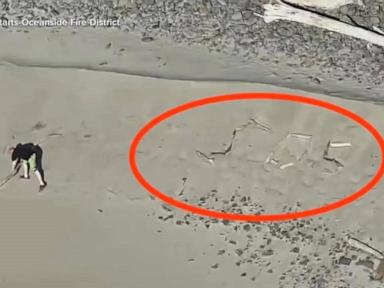
Stuck between jagged rock formations and a rapidly advancing ocean, the group did what people in movies do. They gathered heavy branches and spelled out a massive SOS in the sand. It worked, but the incident highlights a recurring danger that tourists routinely underestimate along the Pacific Northwest shoreline.
The Trap at Lost Boy Beach
The incident unfolded at Lost Boy Beach, a secluded cove tucked just north of Oceanside in Tillamook County. Two men and a woman in their mid-twenties headed down to the shoreline during a low-tide window, completely unaware of how narrow that window actually is.
According to the Netarts-Oceanside Rural Fire Protection District, the beach features a tight five-minute window during specific low tides where people can safely slip past rocky outcroppings without deep-water wading. Miss that window on the way back, and you are trapped against sheer cliffs with nowhere to go.
By 3:45 p.m., the rising tide had completely cut off their exit route. With their patch of dry sand shrinking by the minute and cold water splashing around their feet, they dialed emergency services.
Why the Pacific Northwest Coast is Unforgiving
Visitors often treat the ocean like a lake. That mistake proves fatal every year. The Pacific Ocean does not forgive casual planning.
Tides along Oregon and Washington move fast. When water pushes into narrow coves and pockets like Lost Boy Beach, it rises vertically at astonishing speeds. Cold temperatures add another layer of danger. Pacific water sits around the low-50s or high-40s Fahrenheit most of the year. Hypothermia sets in fast when you are wet, shivering, and stuck in the wind.
Tillamook Fire Chief Jeff McBrayer noted that rescue crews faced a difficult choice. Waiting for the tide to recede naturally would have left the tourists exposed to freezing wind and rising spray for hours. Instead, rescuers deployed three specialized rescue swimmers equipped with ropes and personal flotation devices to pull the trio back through the heavy surf.
The tourists escaped with minor cuts, bruises, and a severe chill, avoiding serious injury. Drone footage later captured the stark visual of the driftwood SOS sign sitting on the narrow strip of sand where the group waited out their rescue.
How to Explore Coastal Coves Safely
You don't have to skip remote beaches. You just have to respect them. Locals and safety officials recommend a few non-negotiable habits before heading onto any rocky coastal beach in the Pacific Northwest.
- Download a reliable tide app: Never guess. Know the exact minute low tide peaks and when the water turns.
- Talk to locals: Stop by a local bait shop, fire station, or visitor center and ask about local hazards. Maps don't show rogue waves or pocket-beach cutoff times.
- Watch your back: Never turn your back on the ocean, and keep an eye on your escape route as you walk. If water starts blocking the rocks you just crossed, head back immediately.
A great vacation photo isn't worth a swift-water rescue. Check the tide charts before you step onto the sand.
The video above covers the details of the emergency response and the rescue operation on the Oregon coast.