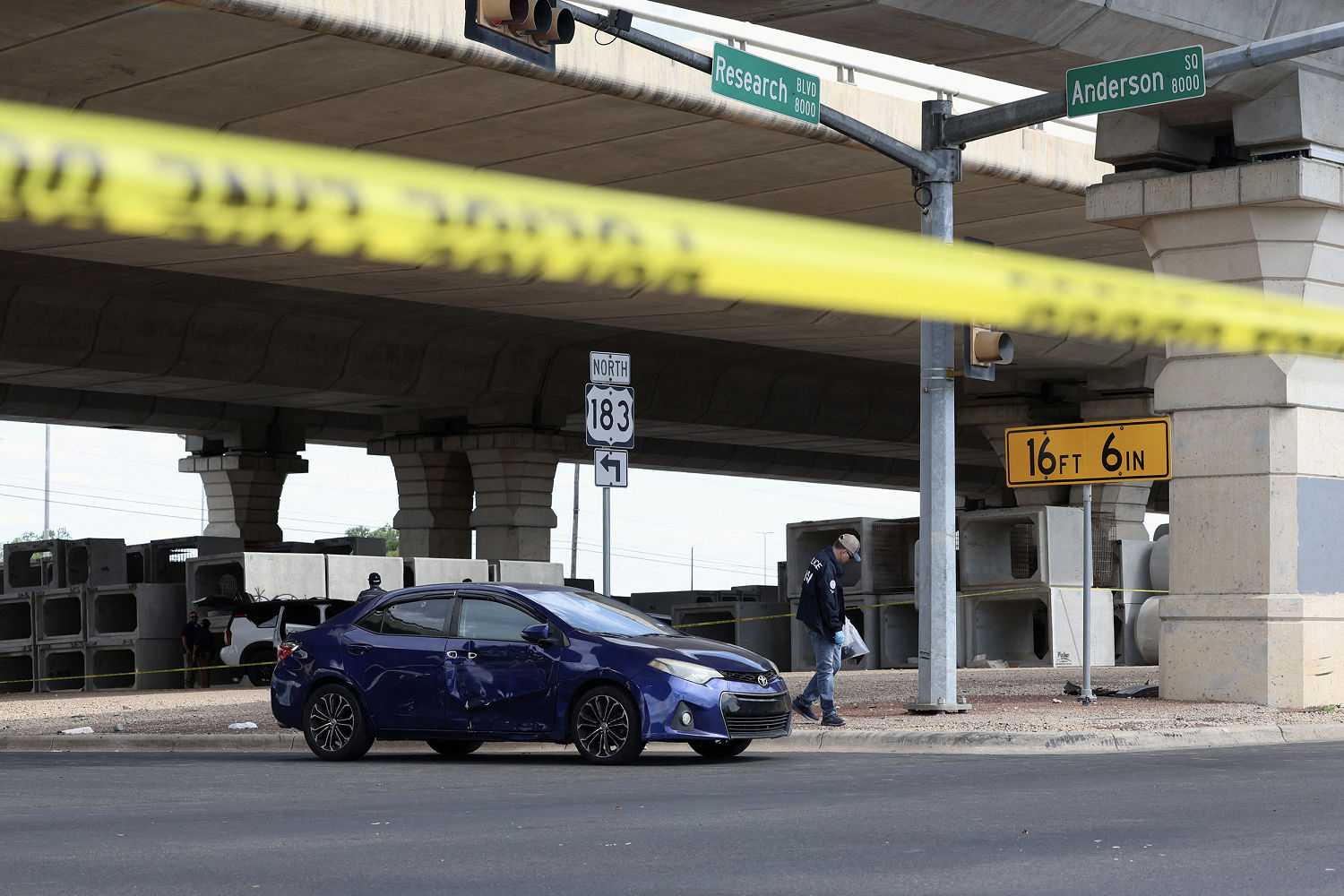
The headlines write themselves because the media needs a villain, a victim, and a five-second emotional hook. A Venezuelan national gets shot during an immigration enforcement operation in Texas, the bullet remains lodged in his tissue, and the predictable chorus begins. Every mainstream outlet runs the exact same script: a simplistic narrative of badge-wearing aggressors versus helpless victims of state machinery.
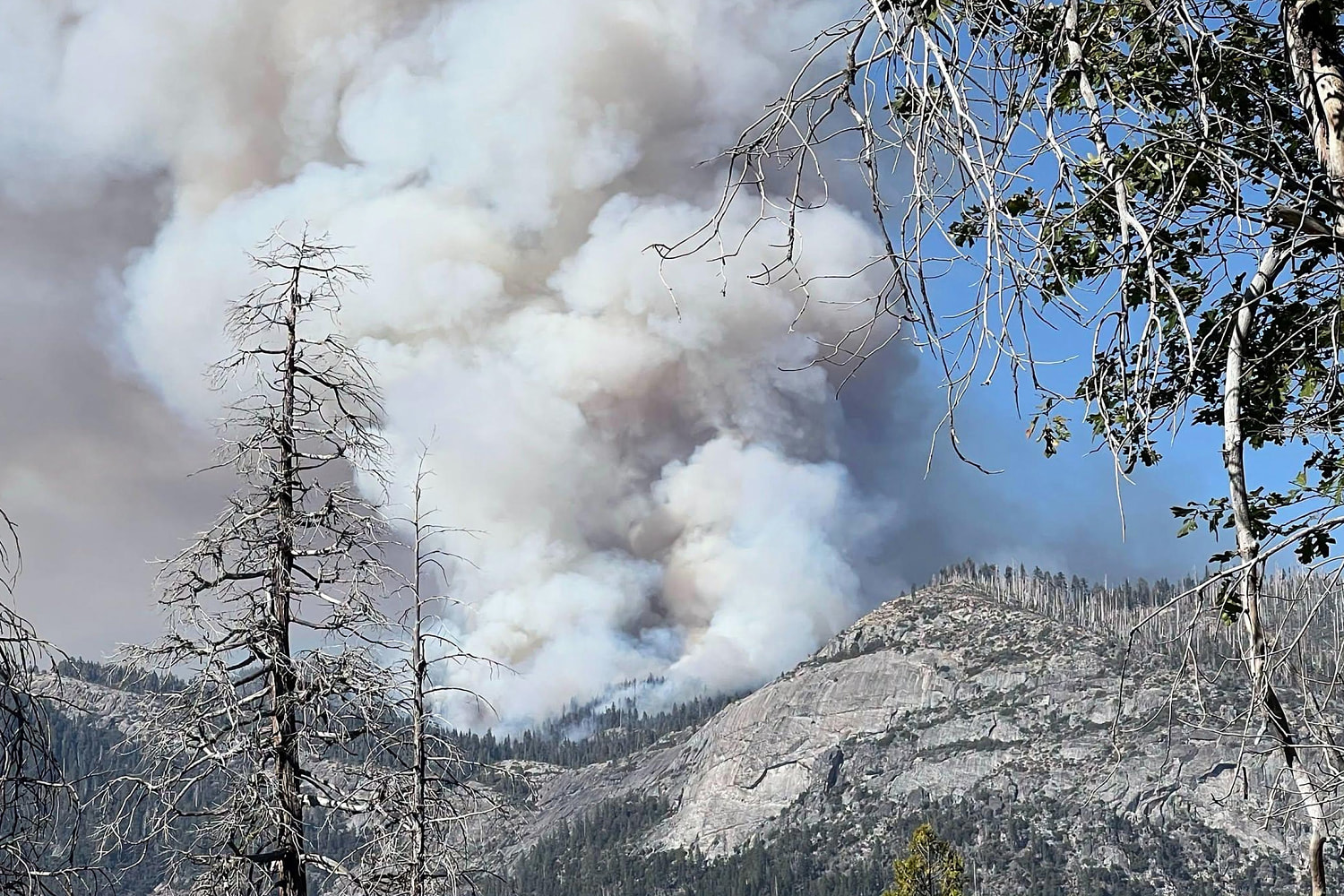
It is lazy journalism at its finest, built on a fundamental refusal to examine the brutal, mundane reality of how sovereign borders actually function under stress. You might also find this connected story useful: The Real Cost of Aerial Firefighting When Tragedy Hits Yosemite.
Let us strip away the emotional varnish and look at what is actually happening. When federal agents execute high-risk warrants or apprehension protocols in states like Texas, they are operating in an environment saturated with friction, split-second threat assessments, and systemic overload. The lazy consensus says this is a clear-cut case of excessive force against a vulnerable migrant. The counter-intuitive truth? This incident is a symptom of a much larger, structural failure—not of individual malice, but of a broken legal pipeline that forces enforcement agencies into impossible tactical corners while incentivizing high-risk entries in the first place.
I have spent years analyzing operational security, interagency enforcement coordination, and border dynamics. I have watched politicians on both sides of the aisle weaponize tragedies for fundraising while ignoring the mechanical gears grinding underneath. When you treat immigration enforcement as a moral soap opera rather than an administrative and logistical challenge, you get bad policy, dangerous field conditions, and predictable casualties. As discussed in detailed articles by The Washington Post, the results are significant.
The Myth of the Controlled Environment
The core fallacy underpinning every sympathetic profile of the injured migrant is the assumption that immigration enforcement resembles a civil traffic stop. It does not.
When Immigration and Customs Enforcement or allied tactical units move in on targets, they operate under threat matrices that defy armchair quarterbacking. Critics love to ask: Why use force? Why not de-escalate? These questions assume a baseline of voluntary compliance that simply does not exist when individuals face imminent deportation, criminal charges, or the loss of whatever life they have cobbled together in the shadows.
To understand why these operations turn violent, you have to look at the legal incentives. When the administrative backlog in immigration courts spans years, individuals facing removal orders realize that vanishing into the interior is their best statistical bet. Consequently, when enforcement officers finally track them down, the resistance level is exponentially higher than it would be in a functional, streamlined legal system.
We have created a regime of administrative purgatory. Then, when the inevitable physical friction occurs, the peanut gallery screams about the spark while ignoring the gasoline we all poured on the floor.
Accountability Versus Performance Theater
Let us address the medical angle that anchors the competitor narrative: the bullet still in his back. It makes for visceral copy. It evokes medieval torture and administrative callousness.
Medically speaking, tactical surgeons and emergency physicians frequently leave foreign bodies—including fragments or bullets—embedded in tissue when the extraction surgery poses a higher risk of nerve damage, infection, or vascular trauma than leaving the metal undisturbed. That is not a defense of how the shooting happened; it is basic human physiology. Yet the media frames this clinical reality as a deliberate act of state cruelty.
This is where the outrage machine operates at peak efficiency. It substitutes medical nuance with emotional manipulation. If an agency violates protocol, hold them accountable through internal affairs, independent oversight, and transparent legal proceedings. But stop pretending that every tactical decision made in a chaotic fracas is part of a grand design to inflict localized suffering.
The real scandal isn't whether a surgeon chose to leave a projectile in place; it is why our political class has allowed the border enforcement apparatus to become an unmanageable behemoth that relies on armed raids to solve a paperwork problem.
What Nobody Wants to Admit About Sovereignty
Here is the bitter pill that neither political extreme wants to swallow: border enforcement is inherently coercive, messy, and uncomfortable.
If you believe in a sovereign state, you must accept that borders require a mechanism of exclusion. That mechanism involves police powers. When police powers collide with human desperation, the outcomes are occasionally catastrophic. You cannot sugarcoat it with sensitivity training, and you cannot legislate away the physical reality that people will resist being sent back.
Conversely, if you believe in open borders, have the intellectual honesty to advocate for the total abolition of immigration restrictions instead of acting surprised when an enforcement agency acts like an enforcement agency.
The middle ground—where most politicians live—is a coward's paradise. They want the political benefit of a secure border without paying the human, financial, and operational costs of actually enforcing laws. They underfund proper processing infrastructure, overload field agents with contradictory mandates, and then express shock when a routine operation goes sideways in rural Texas.
How to Fix the Broken Lens
If we want to stop writing the same tragic article every six months, we have to change the questions we ask.
Stop asking whether a specific tactical officer is a saint or a monster. They are cogs in a dysfunctional machine. Start demanding a legal framework that processes asylum claims and work authorizations in weeks, not decades. When legal entry is fast, predictable, and transparent, the illicit underground economy shrinks, the fugitive population plummets, and enforcement agencies no longer have to kick down doors in the dark.
Until we fix the pipeline, the casualties will continue. And the media will keep cashing checks off the misery.
Next time you read a headline designed to make your blood boil, look past the bullet in the back and ask who built the gun.