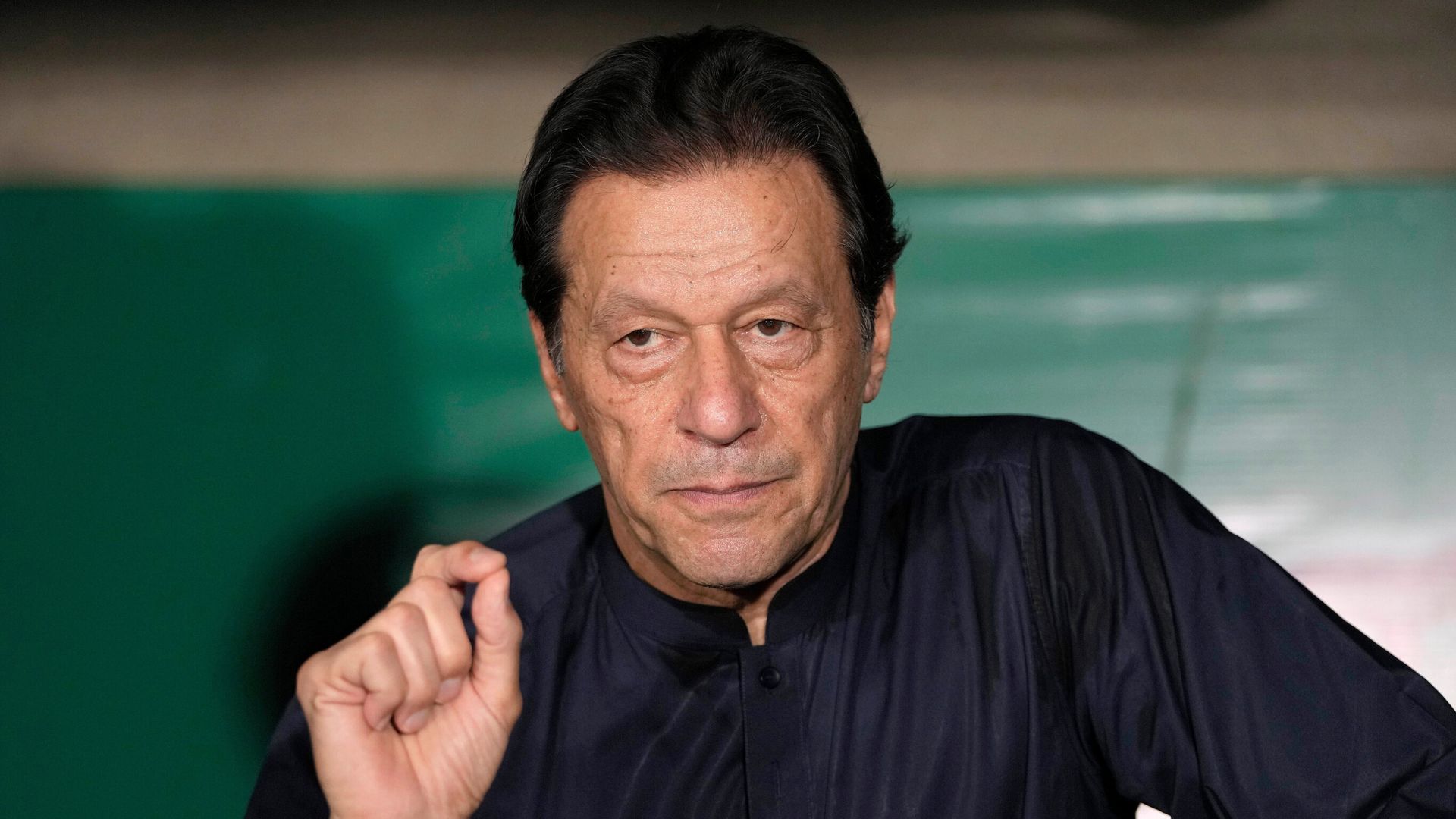
The legal chess match over Imran Khan's health just escalated. Pakistan's government is actively moving to challenge a Supreme Court directive that ordered the jailed former prime minister to be shifted from Adiala Jail to a private hospital.
If you've been following South Asian politics, you know this high-stakes battle is about much more than a routine medical transfer. It’s a continuation of the intense power struggle that has gripped the country since Khan's ouster in 2022.
Why the Court Ordered a Hospital Transfer
The Supreme Court bench, led by Justice Shahid Waheed, acted on urgent petitions filed by Khan’s legal team. At 73 years old, the cricketer-turned-politician has spent years behind bars facing a barrage of legal cases.
Concerns boiled over regarding his physical condition. His legal representatives and family have repeatedly sounded alarms about his deteriorating health, specifically pointing to severe vision loss in his right eye and concerning vital signs like high blood pressure and an irregular heart rate. Former president Arif Alvi publicly described medical reports as alarming, noting that prolonged isolation was taking a heavy physical toll.
The apex court's directive ordered authorities to move Khan to Islamabad’s Shifa International Hospital within a strict 48-hour window. He was supposed to remain under observation until September 16, attended by a specialized medical board alongside his personal physician.
The Government Fights Back
Law Minister Azam Nazeer Tarar didn't waste time pushing back. The administration announced it would formally challenge the Supreme Court's ruling, arguing that complying with the order would set a dangerous legal precedent.
The core argument from state officials centers on institutional consistency. The government claims that granting this level of private hospital access to a high-profile political prisoner would open a floodgate of requests from ordinary inmates seeking similar medical relief. Critics and PTI party members see it differently. They view the legal challenge as a deliberate effort to block adequate medical care and maintain harsh prison conditions.
Zulfikar Bukhari, a key spokesperson for Khan’s Pakistan Tehreek-e-Insaf (PTI) party, expressed deep frustration over the state's resistance. He noted that the hospital move should have happened months ago before permanent damage was done to Khan's health.
The Broader Political Fallout
Imran Khan's imprisonment stems from a web of convictions ranging from corruption charges to matters tied to state gifts. While some earlier sentences have been overturned or suspended on appeal, heavy sentences like the 14-year term in the Al-Qadir Trust case keep him locked inside the Rawalpindi facility.
Khan and his massive political base maintain that every single charge is entirely politically motivated. The denial of regular family visits and strict communication blackouts have continually fueled public unrest. Earlier this month, his sons—living abroad—highlighted that they had gone months without any direct contact or reliable updates on his well-being.
As this latest legal challenge plays out in the courts, the tension between the state apparatus and Khan's supporters shows zero signs of cooling down. The outcome of this government appeal will determine whether the former prime minister receives specialized medical attention or stays locked away under restrictive prison guidelines.
Check local legal updates and court filings to track the immediate response from the bench regarding the government's formal petition.