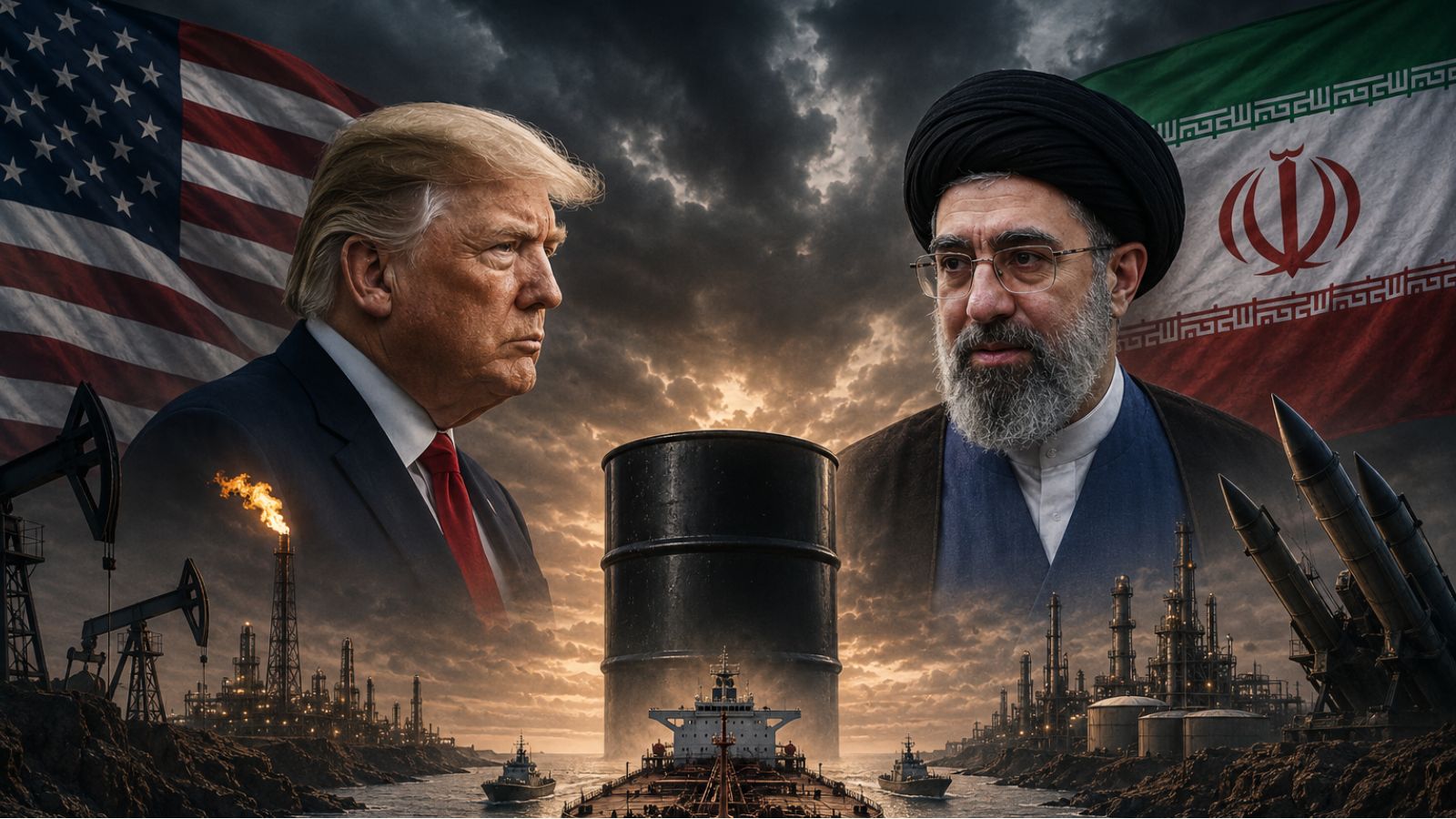
The global economy lives and dies by a narrow stretch of water, and right now, that lifeline is choked shut. When the Strait of Hormuz effectively locked down following the escalation between Washington and Tehran, energy markets went into absolute tailspin.
You've probably heard about the soaring fuel prices, but you might not realize how close regional diplomacy is to snapping under the pressure. Pakistan's military leadership just walked right into Tehran carrying a high-stakes proposal from the United States. It's a heavy diplomatic lift, and honestly, the margin for error is razor-thin.
The Choke Point That Holds the World Hostage
Let's look at the numbers because they explain why everyone is suddenly paying attention to Islamabad's diplomatic moves. Normally, roughly a quarter of all seaborne oil trade and one-fifth of global liquefied natural gas supplies squeeze through this exact maritime corridor.
When traffic drops near zero, countries dependent on imported energy feel an immediate punch to the gut. Pakistan isn't just an interested bystander here; it's a neighbor dealing with direct economic fallout, soaring import bills, and domestic energy anxieties.
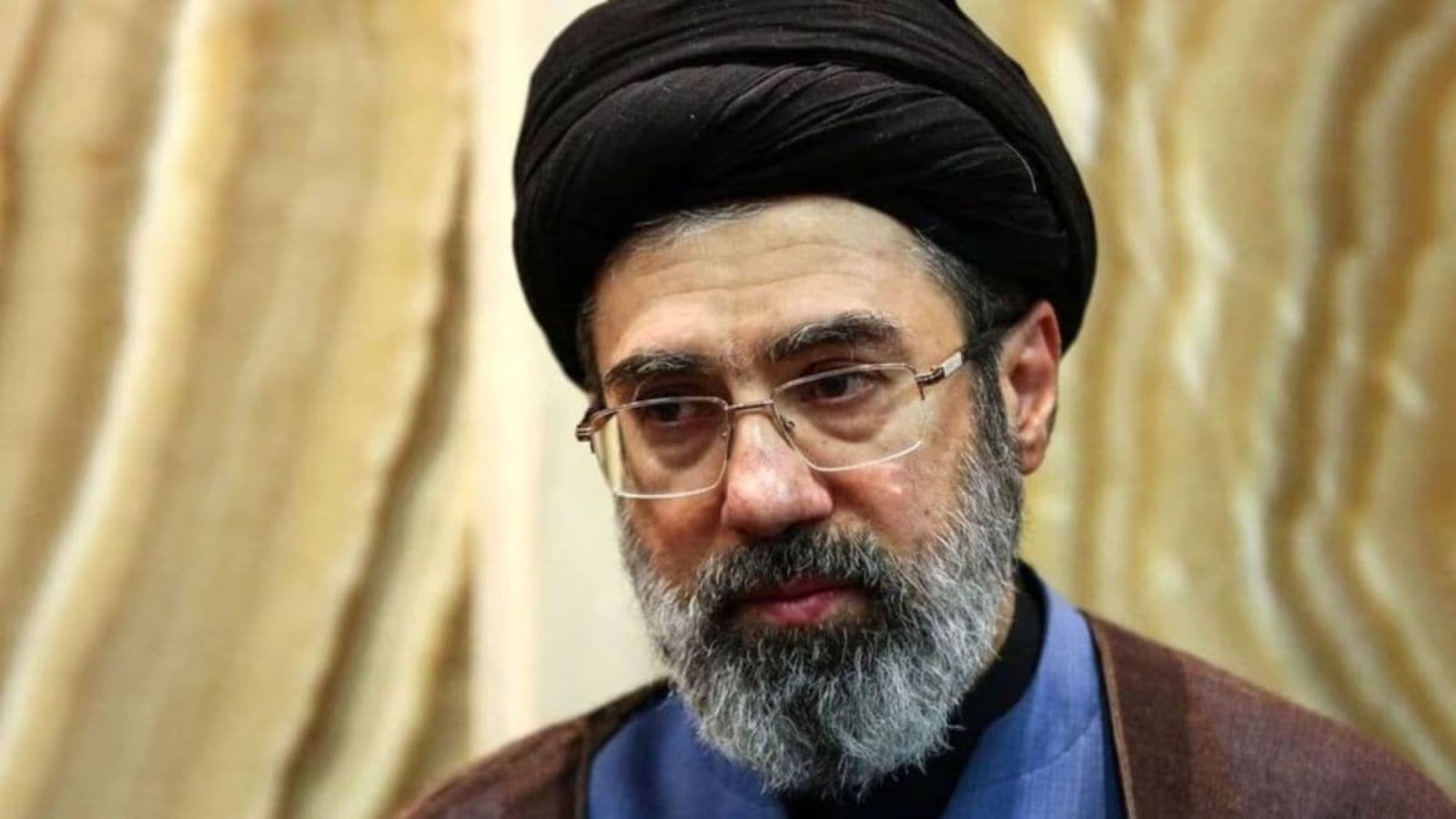
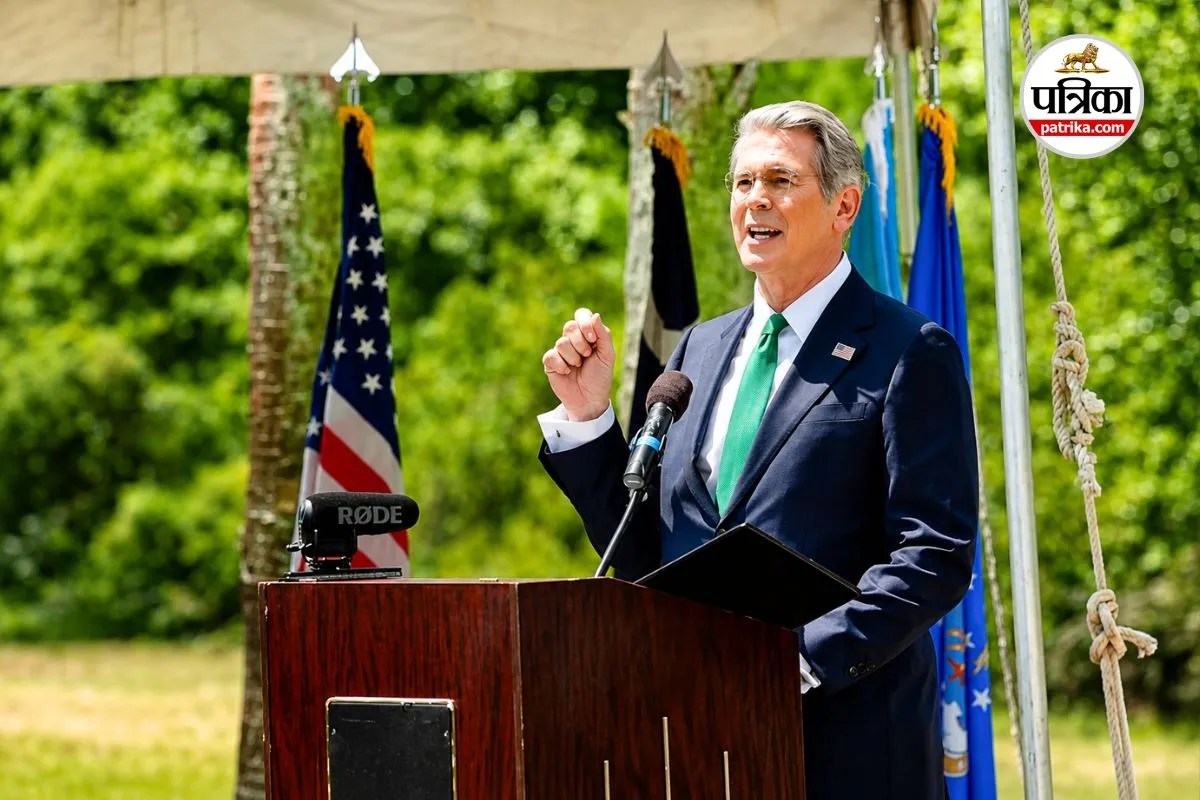
That's why high-level delegations, including Pakistan's Army Chief Field Marshal Asim Munir, traveled straight to Tehran to meet with Iranian officials like Mohsen Rezaee. They aren't visiting for a photo op. They're carrying a concrete package deal designed to salvage what remains of regional stability.
What's Actually on the Table
Washington's latest proposal isn't overly complicated, but getting both sides to swallow it is another story entirely. According to regional reports, the terms involve lifting economic sanctions and ending naval blockades against Iran in exchange for two major concessions:
- Reopening the Strait of Hormuz to international shipping traffic.
- Halting attacks and destabilizing actions by regional proxy groups.
This push tries to revive the framework from the short-lived June agreement brokered earlier in the year. That memorandum of understanding collapsed within weeks as mutual trust evaporated and minor violations snowballed back into open hostility.
Iran's leadership is currently conducting internal security consultations to weigh whether accepting these terms is politically survivable. Tehran wants sanctions relief and the unfreezing of assets, but giving up its primary geopolitical leverage—the control of the strait—requires ironclad guarantees that Washington often struggles to deliver long-term.
Why Islamabad Holds a Unique Card
You might wonder why the United States relies on Pakistan to carry messages to Tehran instead of handling it directly or through traditional European intermediaries. Trust is scarce in West Asia. Pakistan shares a long, porous border with Iran and maintains a delicate diplomatic tightrope walk, keeping trade channels open while managing security concerns in Balochistan.
Islamabad has tried playing the honest broker before, organizing temporary ceasefires earlier in the year. While those previous truces broke down due to persistent low-intensity fighting and deep-seated suspicion, Pakistan remains one of the few actors capable of sitting in the same room with both Washington and Tehran without immediate hostility.
If this diplomatic push fails, the alternative is grim. Prolonged closure of the waterway guarantees permanent structural damage to global supply chains, pushing inflation higher across developing economies that have zero fiscal cushion left.
The delegation's meetings in Tehran represent a critical window. Whether Iranian authorities decide to take the US offer or hold out for better terms will dictate energy prices and maritime security for the rest of the year. Keep a close eye on Tehran's official response over the coming days because this bottleneck affects far more than just Middle Eastern politics.