The political media spent weeks wringing its hands over Graham Platner’s catastrophic exit from Maine’s Senate race, treating the candidate swap like an unmitigated disaster for the left. The mainstream consensus was simple, lazy, and entirely wrong: that losing an edgy, internet-raised outsider who survived scandal after scandal meant Democrats had handed Susan Collins a lifetime pass to her sixth term.
That narrative is built on a fundamental misunderstanding of how rural working-class politics actually function in northern New England.
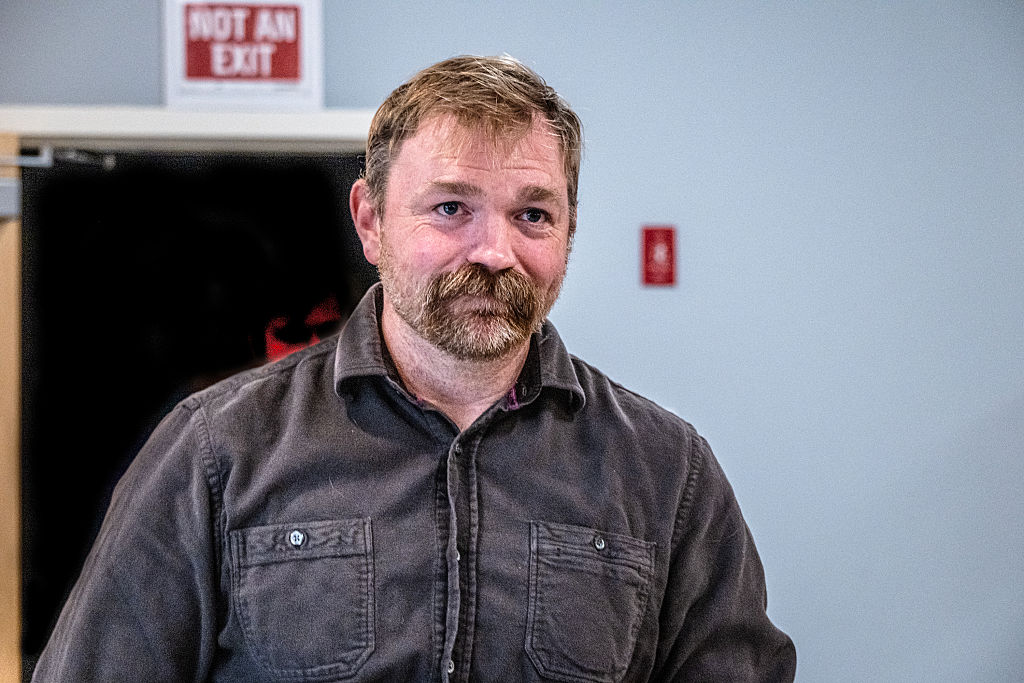
When the Maine Democratic Party overwhelmingly tapped former state Senate President Troy Jackson to take Platner's place on the ballot, pundits acted as though the party was settling for a boring institutional fallback. They missed the actual mechanics of the shift. Platner was a symptom of a political tourism trend—an online fantasy that voters want an unpredictable digital avatar who talks tough. Jackson is the antidote. He is a fifth-generation logger who has spent decades winning difficult legislative seats in conservative timber country.
The Myth of the Outsider Savior
The conventional take argued that Platner’s raw, anti-establishment energy was irreplaceable against a five-term incumbent like Collins. This ignores a basic truth of retail politics: authenticity cannot be crowdsourced from a Reddit forum or a military backstory. Platner’s campaign was a house of cards built on poor vetting and an assumption that modern voters will overlook profound personal liabilities if a candidate drops enough colloquial F-bombs.
When the inevitable collapse happened, the panic merchants claimed the left had no bench. But look at what happened immediately after. Jackson stepped in and hauled in a massive two million dollars in a matter of days. That is not the sign of a fractured, hopeless campaign. That is the sound of a mobilized electorate correcting a misfire.
Imagine a scenario where the Democratic establishment had forced party loyalists to stick with a deeply compromised candidate just to preserve an aesthetic. The result would have been a silent hemorrhage of suburban moderates and an unenthusiastic labor base. By pivoting cleanly to a seasoned legislative heavyweight with genuine blue-collar credentials, the party traded a walking liability for an actual operational threat.
Real Working-Class Credibility Versus Aesthetic Populism
Political consultants love to talk about "working-class voters" as if they are a monolith that only responds to a specific brand of hyper-masculine grievance. Platner fit that manufactured mold. But real working-class voters in places like Aroostook County do not care about internet lore or tactical edginess; they care about who understands timber, paper mills, and healthcare access.
Jackson has spent twenty years fighting legislative fights in Augusta. He does not need to workshop his populism because he grew up in it. When he talks about taking on corporate power brokers, it carries historical weight, not performative internet residue. Collins has spent decades insulating herself behind a veneer of moderate independence while voting reliably for the apparatus of the status quo. Running a former logger who speaks the literal language of the North Woods completely alters the geometric shape of this contest.
The hand-wringing over the swap was never about electability. It was about media members mourning the loss of a messy, conflict-heavy storyline. By stripping away the performative chaos of the Platner experiment, Maine Democrats accidentally built a far more disciplined, dangerous challenger to the state's long-standing political equilibrium.
Stop looking for saviors who look good on a podcast clip. Politics is won by the person who can look a logger in the eye and deliver a policy that keeps his family insured. Jackson can do that. Platner was just a noise machine.
Democrats pick Platner's replacement in Maine Senate race
This video provides an overview of how Maine Democrats navigated the convention to select their new Senate nominee following the withdrawal of Graham Platner.