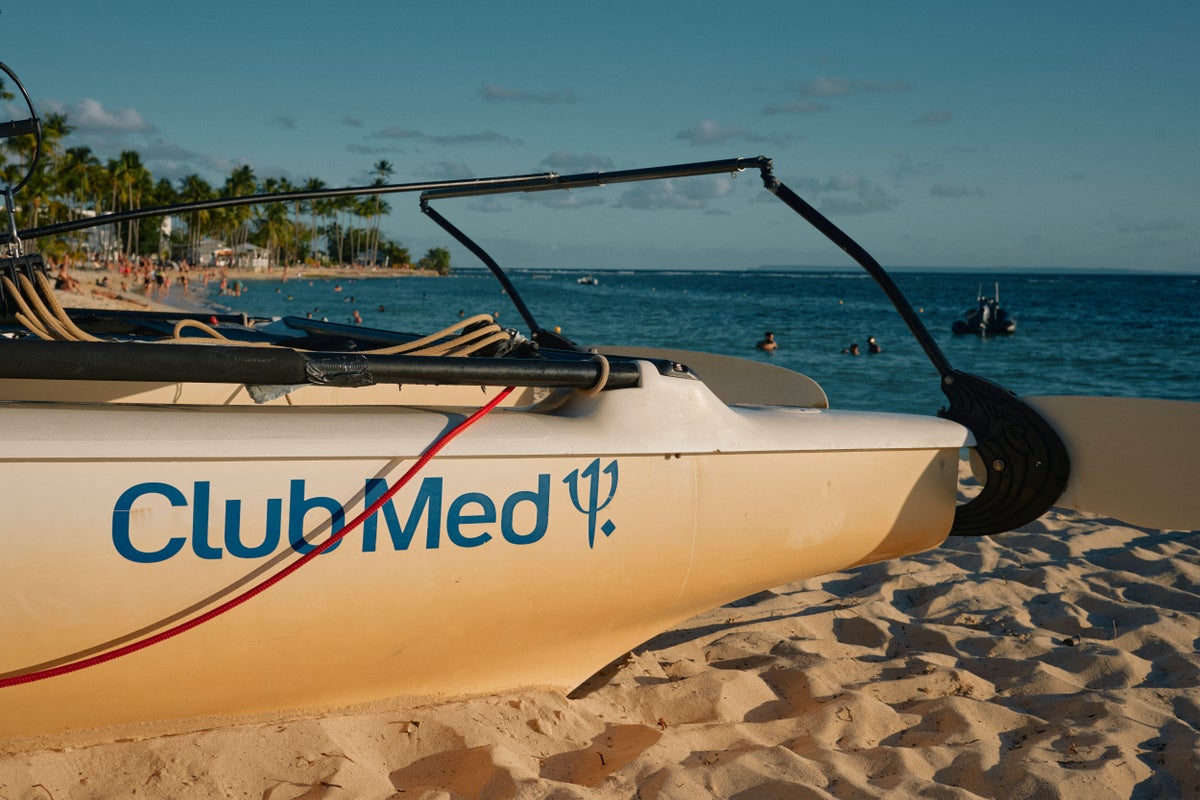
The water was the color of a melted sapphire, warm enough to trick the skin into believing nothing bad could ever happen here.
You book the ticket months in advance, scrolling past endless photos of thatched-roof cabanas, sun-drenched loungers, and smiling staff holding brightly colored cocktails garnished with tiny paper umbrellas. You pay for the illusion. You pay for the corporate promise that everything—from the morning croissant to the evening entertainment—is already handled. The wristband you snap onto your wrist feels like a shield against the friction of ordinary life. Out there, taxes and bills and bureaucratic friction exist. In here, you are insulated by the all-inclusive paradise.
Then, the ocean bites.
Sharks do not care about your vacation package. They do not care about your wristband, your booking reference, or your platinum travel rewards card. To a predator in the surf, flesh is simply flesh.
When the attack occurs, the transition from dream to nightmare is instantaneous. One moment, you are laughing, tasting salt on your lips, feeling the rhythmic pull of the tide. The next, the water around you turns a dense, opaque crimson. Panic takes over, sharp and absolute. You are dragged onto the sand, leaving a dark trail across the white powder. Bystanders scream. The resort staff rushes over, their faces pale beneath their tropical tans.
This is where the story should narrow down to a single, sacred imperative: stop the bleeding. Save the life.
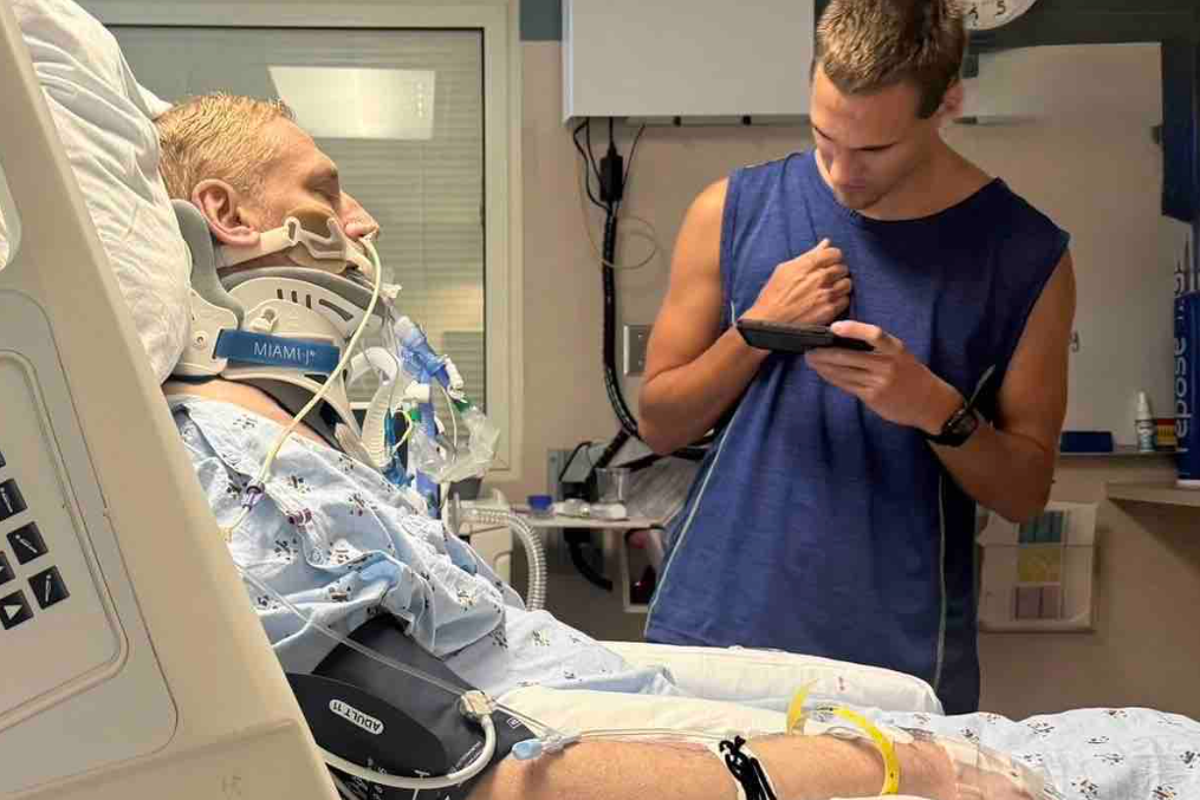
Instead, according to a lawsuit filed against the resort, a terrifying secondary friction enters the scene. Not the friction of teeth, but the friction of paperwork.
Imagine lying on a stretcher, your leg torn open, the metallic scent of your own blood filling your nostrils, while someone in a pristine uniform stands over you asking about insurance verification. Picture the agonizing seconds ticking away—seconds where a severed artery does not care about policy limits, deductibles, or international coverage tiers.
We sign up for resorts because we want to outsource our anxiety. We want a place where the edges of the world are sanded down so we never have to think about logistics. But what happens when the logistics follow you into the trauma bay?
The core of modern tourism is built on a quiet, unspoken contract. You hand over your money; the resort provides a sanctuary. But sanctuaries have fine print. When a guest is mauled by a shark on or near property managed by an international hospitality giant like Club Med, the expectations of the traveler collide violently with corporate risk management.
Medical emergencies abroad are already a labyrinth. Different countries, different standards of care, different languages. When a resort operates its own medical facility or coordinates local emergency response, injured guests place total trust in their staff. They assume that human life supersedes liability waivers. They assume that doctors are dispatched immediately, that tourniquets are applied before policy numbers are checked.
When that assumption is broken, the psychological fallout is often worse than the physical scars.
Consider the anatomy of a delay. Every minute lost to phone calls with insurance adjusters in another time zone is a minute of unchecked shock. It is a minute where blood pressure plummets toward zero. For a victim, the realization that their survival is being weighed against a potential billing dispute is a betrayal more profound than any natural hazard. You expect the ocean to be indifferent. You do not expect the hospitality desk to be indifferent.
Lawsuits like the one brought against the resort expose the ugly scaffolding beneath the tropical aesthetic. They drag the cold math of corporate liability out from under the palm trees and force us to look at it. They ask a fundamental question about the duty of care in the twenty-first century: when you buy an all-inclusive experience, are you also buying the guarantee that your life will not be paused for administrative approval while you bleed?
The legal system will parse the timelines, the contracts, the witness testimonies, and the fine print of the insurance policies. Lawyers will argue over jurisdiction, negligence, and contractual obligations. Expert witnesses will testify about golden hours in trauma medicine.
But the paperwork will never capture the sound of the surf crashing against the shore while a human being waits for someone to decide who is paying for the gauze.
Travel is supposed to transform us, to open our eyes to the vastness and beauty of the earth. Yet, every now and then, an event strips away the marketing gloss and reveals the stark reality of our vulnerability. We are fragile creatures venturing into wild places, trusting complex systems to catch us if we fall.
The water remains blue. The brochures will keep printing photos of smiling couples under the sun. But beneath the surface of the postcard, the questions linger, quiet and persistent, waiting for the next tide.