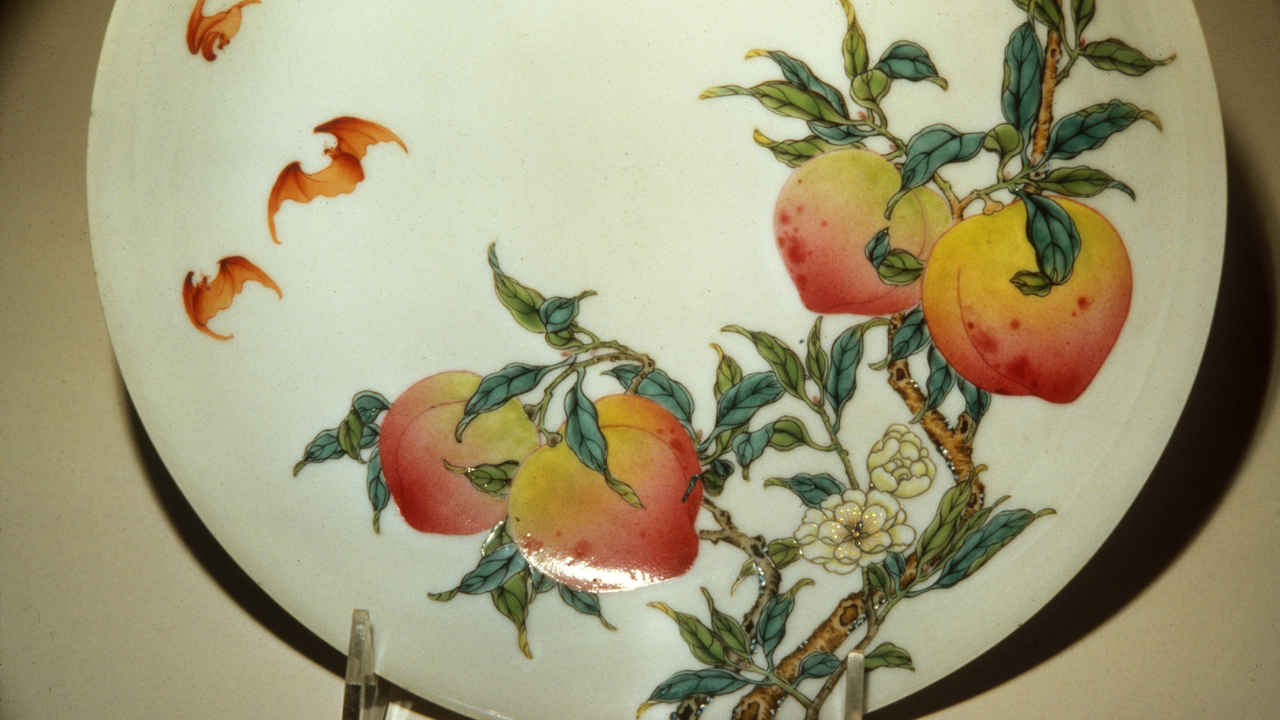
A painted porcelain dish spent eighty-seven years gathering dust in a midwestern regional gallery before fetching over two million dollars at auction.
The consensus in the mainstream press is predictable. Art lovers hyperventilate over imperial heritage, fine craftsmanship, and the enduring allure of Qing dynasty aesthetics. Auction houses pop champagne, spinning a narrative about how heritage pieces always find their true worth when capital meets scarcity.
They are wrong. Every single word of that narrative misses the fundamental mechanics of what is actually happening.
I have watched collectors and institutional buyers pour fortunes into dead assets while ignoring the basic rules of liquidity and real economic utility. This two-million-dollar transaction is not a celebration of cultural preservation. It is a symptom of a distorted pricing mechanism where prestige acts as a shield against common sense.
The Illusion of Intrinsic Value in Antiquities
Let us look at the asset class without the romantic fog. A bowl featuring bats and peaches—symbolizing fortune and longevity—commands a multi-million-dollar price tag not because ceramic technology reached an unrepeatable pinnacle during the reign of Yongzheng or Qianlong. It commands that price because the ultra-wealthy need parking spots for capital that do not correlate with public equity markets.
When a regional institution quietly deaccessions a piece to plug operating budget holes, the transaction exposes the raw utility of fine art. It is a status token.
If you evaluate this bowl through the lens of functional utility, the numbers collapse immediately. You cannot eat soup out of a two-million-dollar porcelain dish unless you have a pathological disregard for risk and compound interest. You cannot generate cash flow from it. It does not produce goods, services, or software updates. It sits in a vault or behind climate-controlled glass, consuming insurance premiums while doing nothing.
The mainstream media treats these record sales as proof of a thriving culture. In reality, they are proof of a narrow liquidity funnel. When central banks flood the financial system with liquidity, capital has to go somewhere. When traditional risk-adjusted yields compress, art becomes a speculative sponge. The bats and peaches are irrelevant. The scarcity narrative is just marketing wrapper for a macro-economic hedge.
Why the Museum Deaccessioning Panic Is Hypocrisy
Whenever a gallery or museum sells off a piece from its permanent collection to fund daily operations, the cultural gatekeepers scream about sacrilege. They argue that public institutions hold a sacred trust to keep objects off the open market forever.
This argument relies on a fundamental misunderstanding of asset allocation.
Keeping a rare Qing dynasty porcelain bowl locked away in a regional storage room while your heating bills go unpaid is fiscal malpractice. Museums are sitting on billions of dollars in illiquid capital while begging for municipal subsidies and donor handouts. The pearl-clutching over deaccessioning assumes that cultural artifacts lose their magic if they change hands from a non-profit balance sheet to a private portfolio.
That is absurd. The object remains physical matter. Its provenance does not evaporate because a private collector wire-transfers funds from a family office. In fact, private collectors often maintain objects with far more rigorous conservation standards than cash-strapped public curators can afford on a municipal stipend.
Imagine a scenario where every museum was forced to mark-to-market its permanent collection annually, treating every artifact as a liquid asset subject to opportunity cost. Half of the regional institutions in the country would liquidate their basements within a month, fund their endowments for a century, and stop whining about public funding. But the art establishment prefers the comforting fiction of pricelessness because pricelessness prevents anyone from asking hard questions about return on investment.
The Flawed Logic of Auction House Valuation
Auction catalogs are masterclasses in emotional manipulation disguised as scholarship. They rely on pedigree, provenance, and poetic descriptions to inflate emotional attachment just long enough for the hammer to fall.
When a piece beats its pre-sale estimate by a million dollars, commentators attribute it to fierce bidding wars between Asian buyers reclaiming heritage and Western billionaires snapping up trophies.
Look closer at the order books. These high-end auctions are increasingly driven by financial engineering. Art-backed lending facilities allow collectors to use pieces like this porcelain bowl as collateral for massive revolving credit lines. You buy a two-million-dollar bowl, pledge it to a private bank, borrow against it to buy more speculative assets, and repeat the cycle.
The bowl is not a cultural treasure in this ecosystem. It is collateral.
If you judge the transaction by the standards of traditional wealth generation, the buyer has locked up a massive sum of capital in an untradeable asset with a steep bid-ask spread and heavy transaction friction. If they need to exit that position quickly, they will discover that a specialized market of buyers for million-dollar Qing ceramics is remarkably thin. Try liquidating that asset during a liquidity crunch and watch what happens to your valuation.
How to Actually Approach Collectible Markets
If you are looking at the luxury or antiquities market through the lens of wealth building, you need to strip away the historical romance immediately.
- Ignore the narrative. The story about imperial kilns and auspicious symbols is for the brochure. Look at the balance sheet.
- Factor in the carrying costs. Insurance, secure storage, authentication disputes, and auction house buyer premiums will eat your margins alive unless the appreciation rate drastically outpaces standard benchmarks.
- Understand liquidity risk. If an asset cannot be converted into cash within forty-eight hours without a massive haircut, it is not an investment. It is a hobby with a balance sheet.
Treating rare objects as financial instruments requires a coldness that most collectors refuse to adopt. They want the cultural halo combined with the financial return, while ignoring the fact that liquidity and sentiment make a volatile cocktail.
The Chicago museum made the right financial call by liquidating an idle asset that served zero public utility in a dark backroom. The buyer who paid over two million dollars made an expensive bet on status preservation and macro hedging disguised as appreciation for fine porcelain.
Stop pretending these sales are about preserving history. They are about moving capital where the tax codes and the egos intersect.
Next time you see a headline about a porcelain dish breaking records, do not look at the bats and peaches. Look at the interest rates.