Measles was supposed to be a relic of the past in the United States, yet the ongoing public health crisis in Pennsylvania proves otherwise. With the Pennsylvania Department of Health confirming its seventh measles-associated death, the stark reality of what happens when vaccination rates slip is playing out in real time. We aren't just looking at isolated flare-ups anymore. We are watching a systematic dismantling of herd immunity that puts vulnerable populations directly in the line of fire.
The Ground Reality of the Pennsylvania Numbers
Let's look at the data because the numbers tell an uncompromising story. The outbreak in Pennsylvania has surged to 1,542 confirmed cases spanning 46 counties, resulting in 305 hospitalizations. Nationally, the Centers for Disease Control and Prevention reports that confirmed cases have crossed 5,400, more than doubling the total figures seen across the entire previous year.
What makes the Pennsylvania trajectory particularly alarming is the demographic shift. While measles is historically thought of as a childhood illness, roughly two-thirds of the cases in this outbreak involve adults. When a virus encounters a pocket of adults who were never vaccinated or whose childhood immunity has waned without exposure, it cuts through communities with ruthless efficiency.
Public health officials emphasize a glaring common denominator across these numbers. Approximately 96% of the reported cases involve individuals who are entirely unvaccinated or whose vaccination status is completely unknown. This isn't bad luck. It's the direct mathematical consequence of dropping below the 95% kindergarten vaccination threshold required to maintain community-level protection.
Why This Outbreak Hits Differently
Most people remember measles as a routine childhood nuisance accompanied by a spotty rash. That misconception is dangerous. Measles is one of the most contagious infectious diseases on earth. If someone with measles walks into a room, up to 90% of the unprotected people close to them will contract the virus. It hangs in the air for up to two hours after an infected person leaves the space.
Beyond the immediate misery of high fevers, hacking coughs, and signature rashes, the virus triggers immune amnesia. When someone survives a measles infection, their body effectively wipes out a portion of its immune memory, leaving them vulnerable to other dangerous pathogens for months or even years afterward.
The human cost behind the recent death toll in Pennsylvania and across other states like New York and Wisconsin highlights that medical systems are strained. When 11% to 15% of an outbreak population requires hospitalization, emergency rooms and pediatric units bear a heavy burden.
The Trust Deficit and Public Health Policy
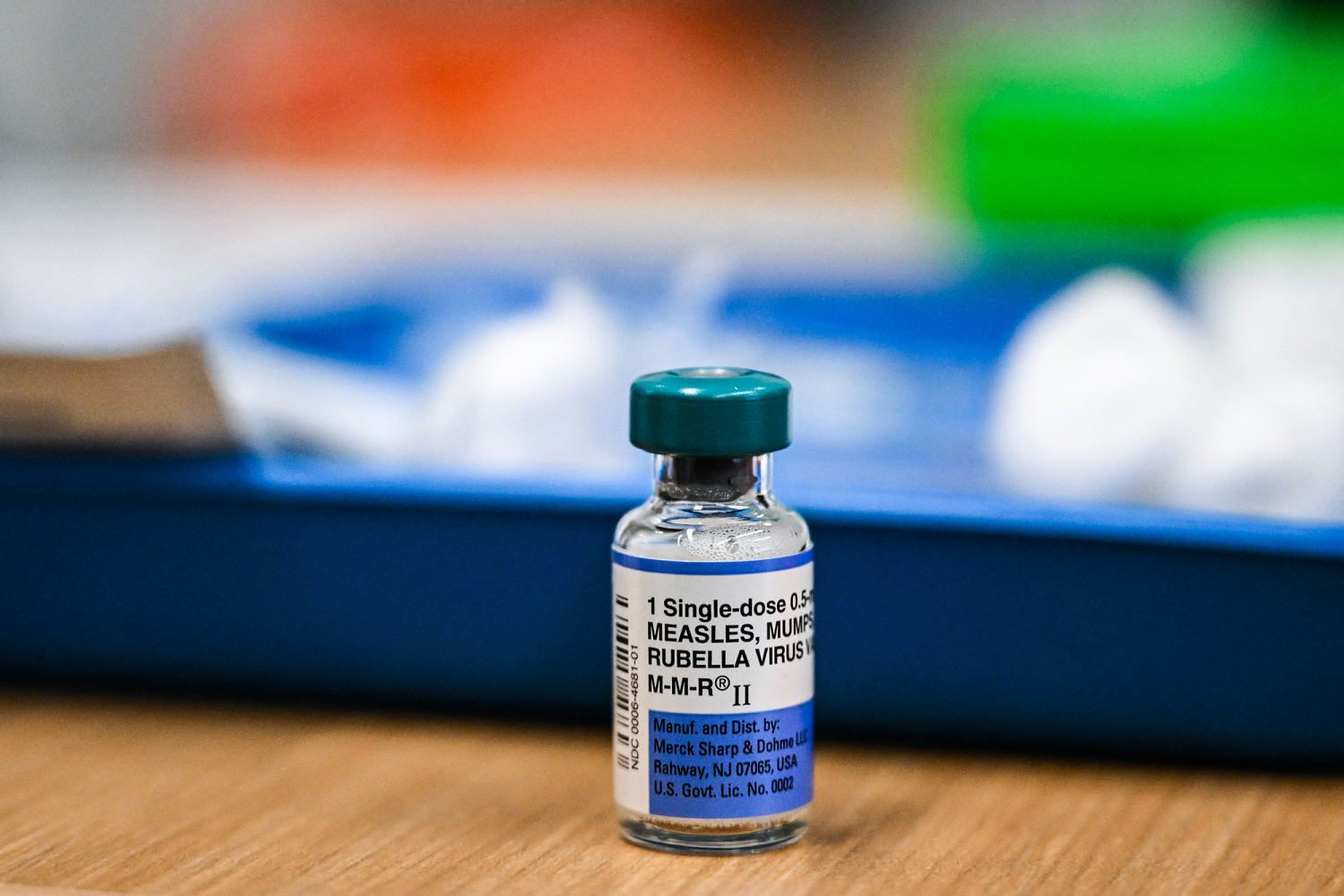
We have to talk about why this is happening. The resurgence isn't driven by a lack of medicine. The measles, mumps, and rubella (MMR) vaccine is remarkably effective, offering roughly 97% protection after a standard two-dose regimen. The failure is entirely social and communicative.
Public confidence in routine childhood immunizations has eroded significantly over the past several years. Polling data consistently shows a drop in parents viewing standard vaccines as safe and necessary. Misinformation spreads faster than viruses on social platforms, and political skepticism has turned a basic medical prevention tool into a cultural battleground. When public health agencies face internal friction, data reporting disputes, and shifting administrative messaging, ordinary people are left confused about whom to trust.
Protecting Your Community Right Now
If you want to protect your family, you cannot rely on everyone else doing the right thing anymore. Community immunity has fractured in too many zip codes.
First, check your vaccination records. If you were born before 1957, you likely had measles as a child and possess natural immunity. If you were born between 1963 and 1967, check whether you received the killed measles vaccine distributed during that brief window; you may need a booster.
Second, talk directly to a primary care physician rather than scrolling through social media feeds for medical guidance. If you are planning international travel or live in a high-risk area like Pennsylvania, ensuring your MMR series is up to date is your single best line of defense. Measles doesn't negotiate with skepticism, and ignoring the warning signs won't make the numbers go down.