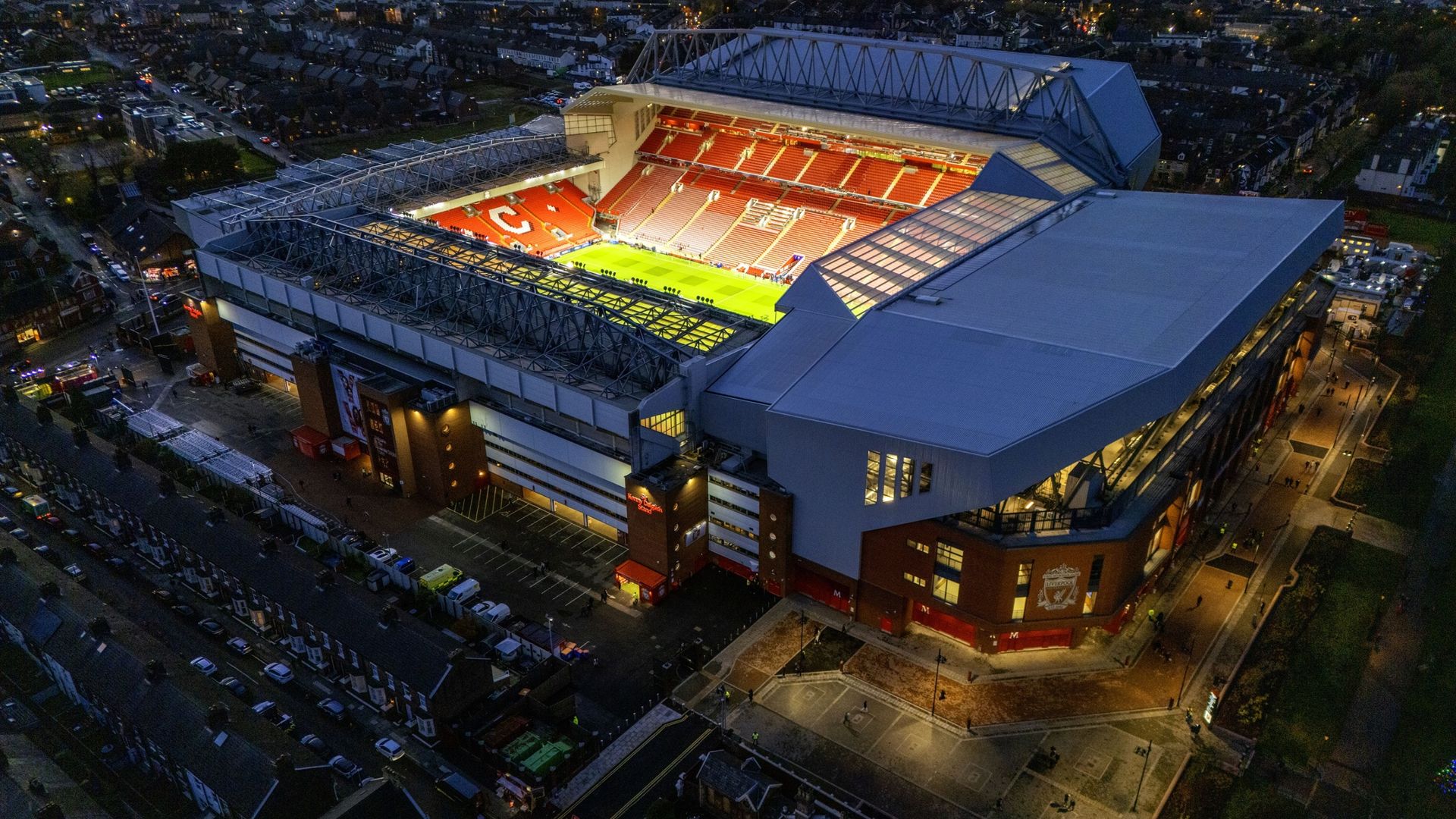
The floodlights at a local municipal pitch hum with a low, steady vibration on a Tuesday night. Mud cakes the ankles of teenagers chasing a deflated ball between two jackets serving as goalposts. They do not know the names of governing board members. They do not care about the legal text of executive committees or voting weights in Zurich. They know the weight of the leather. They know the sudden, sharp intake of cold air when a shot flies just wide.
Football belongs to them. Meanwhile, you can read related stories here: Stop Crying About Gianni Infantino Because FIFA Is Doing Exactly What You Asked For.
Or at least, it used to feel that way.
Across the globe, a quiet fracture has appeared in the marble halls of international sports administration. Leaders from UEFA, CONCACAF, and the AFC recently drew a hard line in the sand, publicly rebuking FIFA President Gianni Infantino. Their message was blunt, stripped of diplomatic veneer: the global game belongs to no single individual. To see the full picture, check out the excellent report by Sky Sports.
To understand why this matters, we have to look past the tailored suits and press releases. We have to look at how power concentrates, and how easily a game played in alleys and grand stadiums alike can be treated as private property.
The Architecture of Control
Imagine sitting in a boardroom where decisions affecting billions of lives are made behind frosted glass. Power in international sports is rarely loud. It arrives in spreadsheets, calendar expansions, and sudden announcements about tournaments that no one asked for.
For decades, the ecosystem of international football functioned as a loose federation of regional powers. Europe had its rhythm. North and Central America had theirs. Asia carved out its own explosive growth. These confederations operated with a degree of autonomy, serving as local guardians of a sprawling cultural inheritance.
Then came the push for centralization.
When a single administrative body attempts to pull every string, the tension snaps. That is precisely what happened when regional leaders pushed back against unilateral decision-making. They looked at the expanding tournament schedules, the constant pressure to monetize every breathing second of the athletic calendar, and saw something alarming. They saw a sport being stretched past its structural integrity.
Consider the players. A professional modern footballer now plays upwards of seventy matches a year. Muscles tear. Joints grind down to bone. Careers that should span a decade are cut short in a blur of hamstring strains and chronic fatigue. The human cost of endless expansion is rarely factored into the financial projections shown to investors.
Football is not an assembly line. It is a biological craft.
The Resistance from the Margins
When UEFA, CONCACAF, and the AFC spoke out, they were not just defending their turf. They were acting as a firewall.
In sports governance, dissent is risky. It invites retaliation, political maneuvering, and financial squeeze. Yet, the joint pushback signaled a rare moment where institutional heavyweights realized that unchecked authority destroys the very product it seeks to exploit.
Think about what happens when a game is divorced from its grassroots. The soul drains out. You are left with sterile spectacles engineered solely for television ratings in time zones thousands of miles away from where the supporters live and breathe.
The critics of central overreach argue that football is a public trust. It is cultural infrastructure. Just as no single politician owns a nation's history, no single executive owns the global passion for a ball rolling across grass.
Yet, the temptation to centralize is magnetic. Control breeds revenue. Revenue breeds more control. Breaking this cycle requires friction. It requires institutional friction, the kind that happens when powerful regional bodies refuse to nod along with sweeping mandates handed down from above.
The Heartbeat Beneath the Bureaucracy
Step away from the boardrooms for a moment. Imagine a dusty pitch in Kingston, a windswept park in Reykjavik, or a crowded concrete court in Seoul.
A kid kicks a ball against a wall until the paint chips off. That repetition is art. It is culture. It is an inheritance passed down from older siblings and aging uncles. That kid does not care about broadcast rights or sponsorship tiers. That kid cares about the trajectory of the ball.
When administrators treat the sport as a corporate balance sheet, they sever the fragile cord connecting the elite tier to that dusty pitch. If the top level collapses under the weight of its own greed, the rot trickles down. Grassroots funding dries up. Local clubs fold. The pipeline of human talent narrows until only those with immense financial backing can even afford to dream.
This is the invisible stake in the current feud. This is why regional leaders took the unprecedented step of publicly challenging the apex of global soccer power. They are trying to keep the game breathable.
The resistance is messy. Politics always is. There are egos involved, strategic alliances forged in secret, and tactical leaks to the press. But beneath the political maneuvering lies a fundamental truth about human organization. Monopolies fail because they crush the local vitality that feeds them.
Football survives because of its local roots. It thrives in the mud, the rain, and the midnight conversations outside stadiums. No executive decree can manufacture that kind of devotion.
The lights at the municipal pitch flicker and finally die for the night. The teenagers pack up their bags, their legs aching, their minds replaying a missed pass or a brilliant goal. They walk home under the streetlamps, arguing about who is better, entirely unaware of the boardroom wars being fought in their name.
They do not need to know the politics. They just need the game to remain theirs.