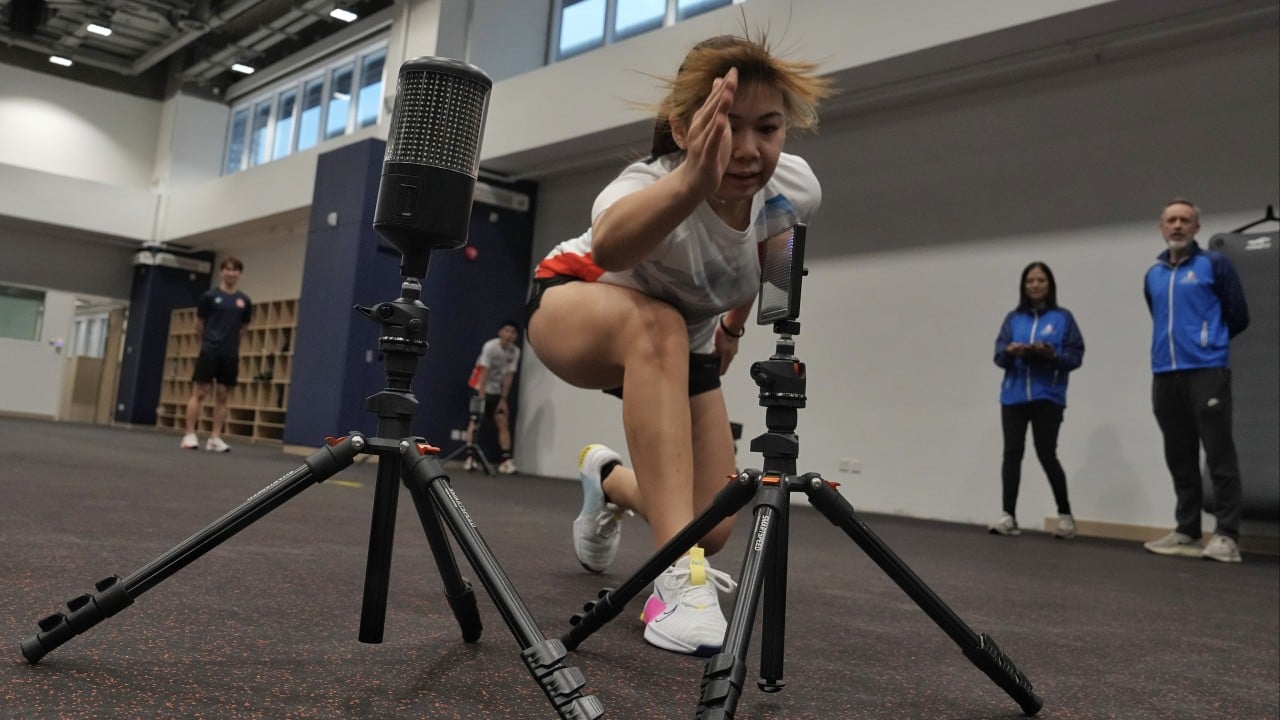
You can't see it on the track. You can't see it on the court. When an athlete uses artificial intelligence to optimize their training, sleep schedules, or muscle recovery, there's no physical trace left behind during a live match. Unlike the controversial LZR Racer swimsuits that shattered world records in 2008 before being banned for providing a physical advantage, digital intelligence leaves no footprint.
That hidden nature makes it impossible to regulate through traditional bans.
Speaking at a World Economic Forum panel in Dalian, China, Kenneth Fok Kai-kong, Hong Kong's lawmaker representing the sports, performing arts, culture, and publishing sectors, took a definitive stance on this shifting reality. He warned that trying to restrict or police artificial intelligence in athletic training is a losing battle. Instead, global athletic bodies need to change their focus entirely. The real problem isn't that athletes are using these models. The problem is that the distribution of these models is entirely unequal.
The Mirage of a Level Playing Field
We like to think of sports as a pure test of human will and biology. It's a nice story, but it hasn't been true for decades. Wealthier nations always possess better facilities, superior nutritionists, and advanced sports science. Yet, the gap created by machine learning models threatens to widen this disparity to an unmanageable degree.
If a gold-medal sprinter from a well-funded sports federation trains using predictive analytics that track micronutrient absorption and millimeter deviations in running posture, they aren't just working harder. They're working with a completely different data set.
Fok pointed out a stark geographic reality at the panel. Some nations simply don't have access to the newest or most capable neural networks. They don't have the compute infrastructure or the budgets to license proprietary athletic training software. If the International Olympic Committee or individual international sports federations try to implement strict bans, they will fail because you cannot test an athlete's bloodstream for data-driven insights.
The strategy must shift from policing usage to ensuring access. Olympic bodies and international associations should actively audit how these deep learning tools impact performance and work to bridge the gap for developing nations. If we want fair competitions, the tools of optimization must be democratized, not outlawed.
Beyond the Field and Into the Fanbase
The tech shift isn't just happening behind closed gym doors. It's rewriting how athletes build their careers and survive in the public eye. Daniel Chan Ho-yuen, a trailblazing para-badminton player from Hong Kong who competed at the Paralympics, highlighted the changing dynamic between competitors and the public. Historically, athletes relied entirely on mainstream sports networks to get their stories told. Today, algorithmic distribution networks and digital platforms allow para-athletes and niche sports competitors to build direct relationships with their fanbases.
This visibility is a double-edged sword. Birgit Skarstein, a former Norwegian Paralympian, raised a critical counterpoint during the same panel. While automated branding tools make it easier for an athlete to secure sponsorships independent of major sports federations, that massive public exposure brings a wave of digital toxicity. High visibility without structural protection leaves athletes vulnerable to targeted online harassment and coordinated abuse.
Stop Trying to Ban the Inevitable
The knee-jerk reaction from many traditional sports purists is to demand a ban on any tool that sounds like algorithmic assistance. They argue it dilutes the human element of sports. This view misses the point entirely.
Coaches have used video analysis for decades. Data analytics teams have dictated baseball strategies since the early 2000s. Machine learning is simply the next iteration of sports science. Fok argued that policymakers and sports organizations shouldn't waste time drafting unenforceable restriction policies. Instead, they should focus their energy on training the next generation of athletes and coaches to use these models effectively.
When predictive models can handle the rote work of parsing raw telemetry data, human creativity and critical thinking become the decisive factors. The coach who can interpret data creatively will always outperform the coach who merely follows an automated readout.
Actionable Strategy for Sports Federations and Clubs
If you're managing a local sports club, regional athletic association, or coaching staff, waiting for international bodies to solve the equity problem is a mistake. You need to adapt to this data-driven environment immediately with the resources available.
- Audit your current tracking methods. Stop relying on subjective training logs. Use free or open-source computer vision tools to analyze athlete movement mechanics from standard smartphone video footage rather than waiting for expensive sensor arrays.
- Implement open data initiatives. Local federations should pool training data. Anonymized data sharing among regional clubs builds a larger, more reliable baseline for injury prediction models that no single club could afford to develop alone.
- Prioritize digital literacy over specialized tech. Do not blow your budget on expensive, proprietary software licenses that will be obsolete in twelve months. Train your coaching staff to use basic, accessible data analytics and prompt engineering to parse available sports science research. Focus your capital on human interpretation, because the models themselves are rapidly becoming commoditized.